In an agricultural landscape characterized by both abundant harvests and fluctuating prices, grain farmers face the critical challenge of optimizing their marketing strategies to ensure profitability. Despite prevailing bearish forecasts stemming from predicted record yields, historical patterns suggest that post-harvest rallies are a distinct possibility. Success hinges on a proactive approach that prioritizes immediate financial health, capitalizes on market efficiencies, and leverages sophisticated financial instruments to protect against downside risks while preserving upside potential. This involves meticulous planning, from securing favorable basis contracts before the harvest rush to strategically employing call options that allow for participation in future price upturns. By adopting a resilient and forward-thinking mindset, producers can transform what appears to be a challenging market into a period of strategic growth and financial stability, learning from past market behaviors to inform future decisions.
Furthermore, the current market environment necessitates a clear focus on the variables within a farmer's control, rather than dwelling on broader economic or yield predictions. The emphasis must be on tangible actions that can significantly impact the bottom line. This includes managing cash flow effectively through early sales, negotiating advantageous discounts on future inputs, and carefully evaluating the timing and methods of grain sales. The aim is not merely to survive but to thrive by converting harvest volumes into immediate capital, while simultaneously maintaining exposure to potential price appreciation. Such a comprehensive strategy helps mitigate the impact of price volatility and positions the farming operation for sustained success, demonstrating that even in a highly competitive and uncertain market, well-executed marketing plans can yield substantial benefits.
Navigating Harvest: Basis and Cash Flow Strategies
As the harvest season approaches, grain producers are confronted with the dual challenges of managing basis risk and ensuring adequate cash flow, particularly when faced with projections of bumper crops. Securing basis contracts prior to the peak delivery period is a crucial defensive measure against potential price declines as market supply increases. Simultaneously, generating immediate liquidity from fall sales, while thoughtfully retaining the capacity to benefit from future price appreciation, is paramount. This necessitates a strategic balance between direct sales and the adoption of more nuanced market tools. Historically, periods of bearish market sentiment have often been followed by significant price rallies, underscoring the importance of remaining engaged and adaptable.
A core element of successful harvest management involves proactively securing basis contracts for grain not yet pre-sold, a move that provides a measure of stability against fluctuating futures prices. Farmers cannot control global market dynamics, but they can exert influence over their local price relationships. The pressing need for cash flow during harvest suggests that some sales will be inevitable. To mitigate the risk of selling at the lowest point, it is advisable to back these necessary sales with call options. This strategy allows farmers to convert their physical grain into cash, satisfying immediate financial obligations, while retaining the right to participate in any subsequent market rallies. This approach provides a crucial safety net and ensures continued market engagement, even when selling physical inventory. Moreover, leveraging sales proceeds to secure discounts on critical inputs like seeds, fertilizers, and chemicals can further enhance profitability, reinforcing the importance of an integrated financial and marketing plan.
Leveraging Options and Learning from Past Market Trends
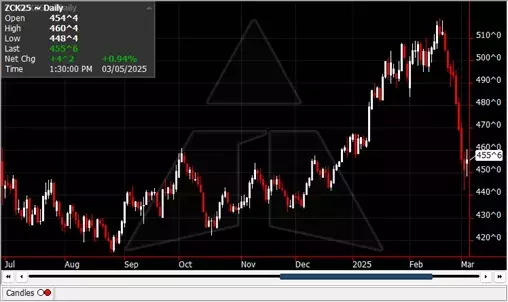
The current climate of price negativity, though understandable, should not overshadow the potential for market resurgence. Last year's unexpected post-harvest surge in corn prices, where May 2025 contracts rallied significantly, serves as a compelling reminder of the market's unpredictable nature. While predicting future rallies is impossible, being prepared to participate in them is entirely within a farmer's control. This preparedness often involves strategically utilizing financial instruments such as call options, which offer a relatively low-cost means of maintaining exposure to market upside without incurring storage costs or interest burdens associated with holding physical grain.
Analyzing historical market movements provides valuable insights, particularly the tendency for significant price recoveries after periods of bearish outlook. For instance, the dramatic rebound in corn prices last year, and the rallies observed in soybean futures following August lows in previous years, highlight the dynamic nature of commodity markets. These patterns emphasize the wisdom of acquiring call options, especially May options for corn, which offer prolonged exposure through the spring, covering potential weather-related price movements. For soybeans, despite concerns about export demand, a similar strategy using March call options or spreads can shield against the current pessimism and position farmers to capitalize on potential export upticks, particularly as the South American harvest season approaches. By investing in these options, farmers are not merely speculating; they are making a calculated investment in future price participation, ensuring that they are not left on the sidelines if market conditions suddenly improve.
