This article sheds light on the significant impact of weed competition on corn crops, particularly concerning nutrient uptake. Through vivid examples and scientific insights, it underscores the importance of early and effective weed control for maximizing corn health and yield potential.
Combat Weeds: Secure Your Corn's Future, Maximize Every Pound of Nitrogen!
Visual Evidence: The Striking Contrast of Weed Competition in Corn
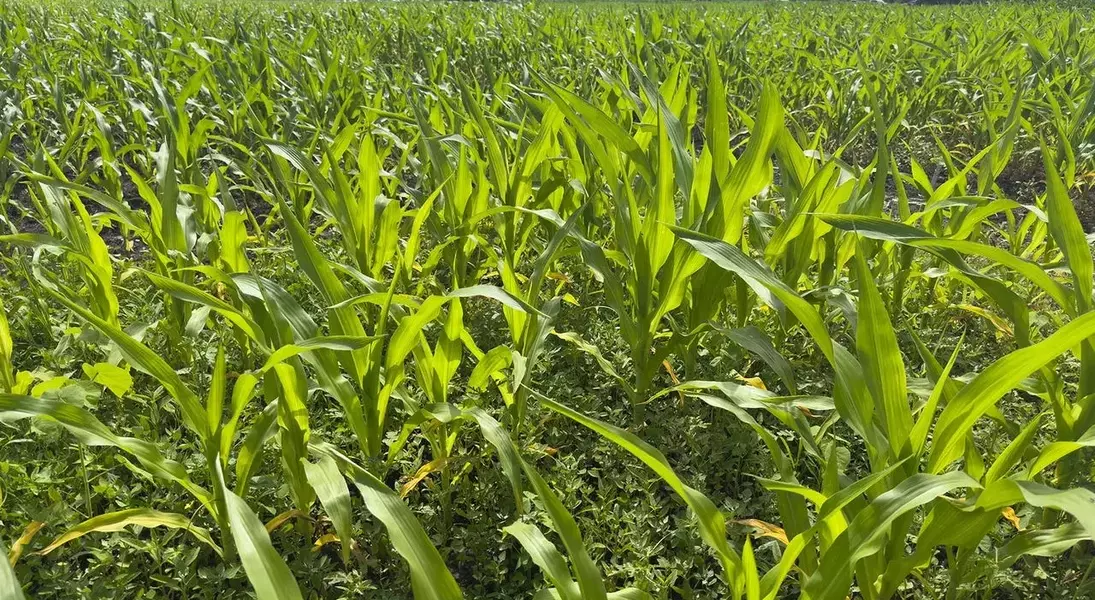
Attendees at a recent agricultural tour witnessed a compelling illustration of weed interference in a cornfield. A distinct rectangular patch of corn, noticeably shorter and a pale yellow, stood in stark contrast to the vibrant green, healthy corn surrounding it. This visual disparity served as a powerful demonstration of the detrimental effects weeds can have on crop development.
Expert Insight: Unpacking the Impact on Corn Health
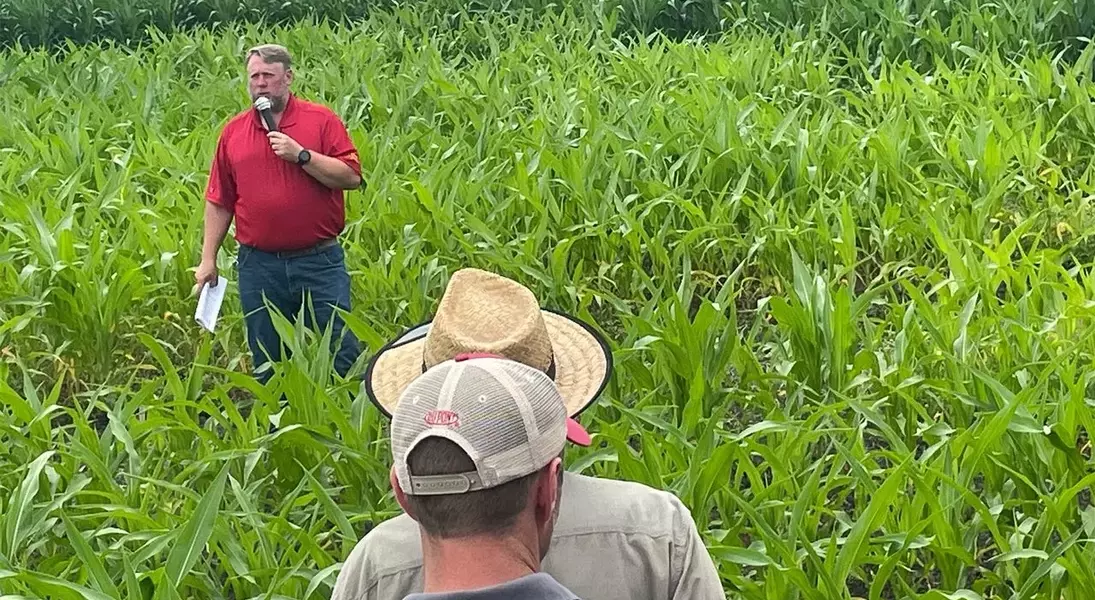
Wes Everman, an Iowa State University Extension weed specialist, identified this scene as a valuable teaching opportunity. He explained that all corn in the trial received identical nitrogen fertilization. The key difference lay in weed management. Areas with healthy corn benefited from early-season weed control, either through pre-emergent herbicides or prompt post-emergent treatments. Conversely, the stunted, yellow patch was intentionally left untreated pre-planting, with post-emergent control applied significantly later. This deliberate contrast revealed that the corn's health was directly linked to the presence or absence of competing weeds, as the weeds in the compromised plot aggressively consumed the nitrogen intended for the corn.
Deconstructing the Nitrogen Drain: University Research Confirms Weed Impact
Everman's previous work at Michigan State University delved into the precise amount of nitrogen weeds could sequester when allowed to compete with corn for extended periods. His research indicated that weeds could absorb a substantial 70 to 80 pounds of nitrogen per acre, with the exact quantity varying based on weed species and density. The study identified pigweed as particularly aggressive in nitrogen uptake. A crucial finding was that even after weeds were eradicated, the sequestered nitrogen was not immediately released back into the soil for corn consumption; it took up to six weeks for mineralization to occur, making the nutrients available again.
The Imperative of Early Intervention: Protecting Corn from Nutrient Theft
The clear message from this research and field observation is the critical importance of proactive weed management. Farmers must prioritize controlling weeds before they emerge or while they are still in their early growth stages. Allowing weeds to establish and compete with corn for vital resources like nitrogen directly compromises the crop's development and ultimately, its yield potential. Early intervention is not just beneficial; it is essential for safeguarding corn health and maximizing agricultural productivity.
