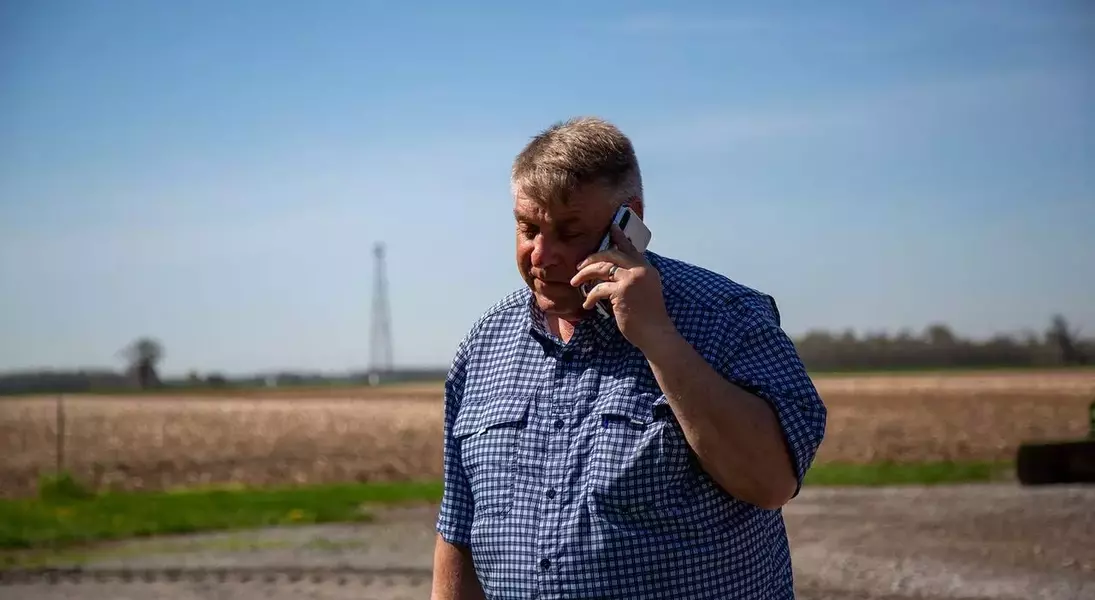
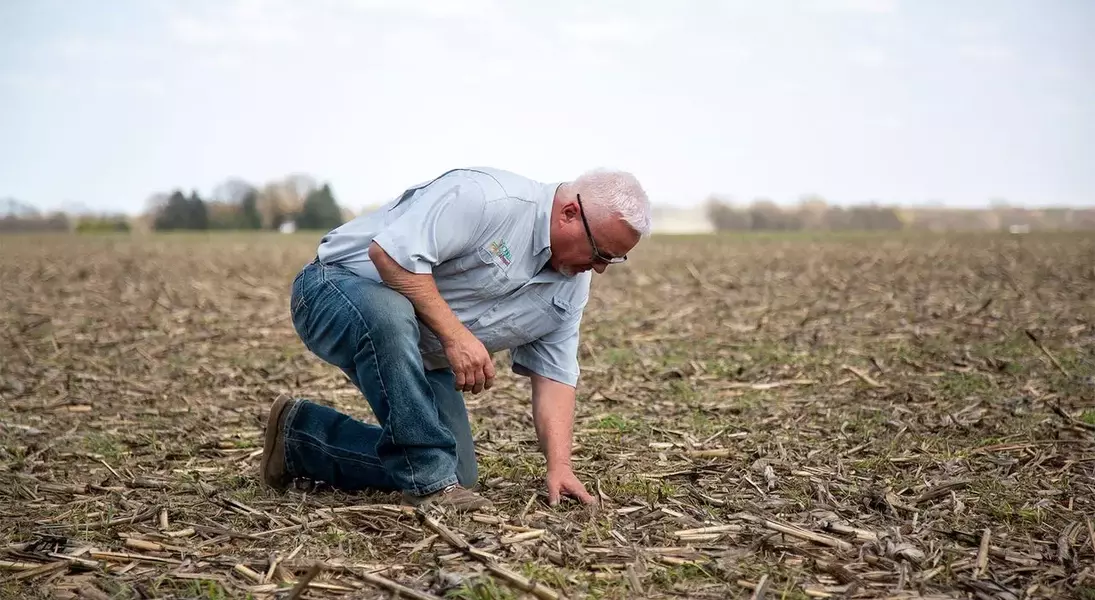
Ohio’s agricultural sector is currently grappling with a severe economic downturn, as grain prices for staple crops like corn and soybeans have plunged to their lowest in three years. This challenging scenario is exacerbating the financial strain on farmers, who are simultaneously contending with elevated operational costs. Despite favorable growing conditions leading to robust crop forecasts, the imbalance between low commodity prices and high input expenses is creating an arduous path to profitability for many, forcing them to reconsider traditional sales approaches and seek innovative solutions.
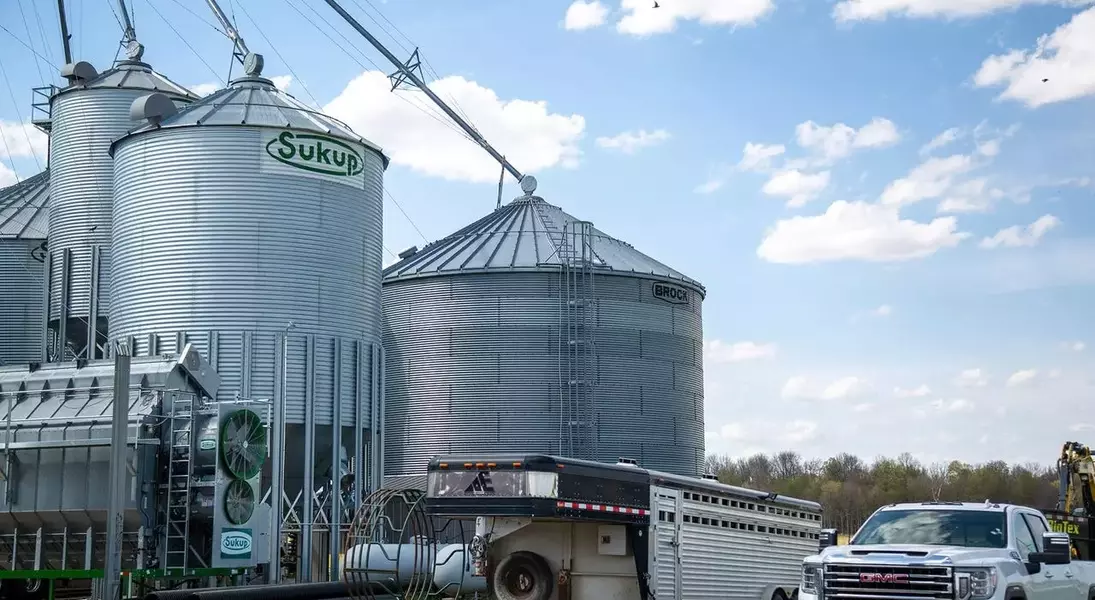
In response to these market pressures, farmers are implementing a range of strategic adjustments. Many are adopting stringent cost-cutting measures, such as postponing significant equipment investments and opting for repairs over new purchases. They are also exploring more economical alternatives for inputs, like utilizing organic fertilizers. Furthermore, producers are engaging in sophisticated grain marketing strategies, including the use of basis contracts and incremental selling, to maximize returns. The ability to store harvested crops for extended periods is proving to be a critical advantage, allowing farmers to wait for more favorable market conditions before selling. This “long game” approach reflects a collective effort to adapt to the inherent cyclical nature and increased uncertainty of today's agricultural markets.
This period of unprecedented market volatility presents a formidable test for the resilience and adaptability of the farming community. While the immediate outlook appears daunting, the ingenuity and perseverance demonstrated by farmers in implementing diverse risk management strategies are crucial. Their commitment to sustainable practices and strategic financial planning in the face of economic headwinds underscores the enduring spirit of the agricultural industry. Moving forward, continued innovation and a proactive approach to market fluctuations will be essential for navigating these complex times and ensuring the long-term viability of farming operations.
