Nvidia's highly anticipated N1X Arm-based processor for personal computers is reportedly nearing its official launch, with industry sources suggesting a potential release by the end of March. This long-awaited entry into the PC market has generated considerable interest, especially after its recent appearance in a shipping manifest, hinting at an imminent arrival. The company's strategic move with its Arm architecture aims to carve out a significant presence in the desktop and laptop computing space, traditionally dominated by x86 processors.
Despite the excitement, the N1X faces several challenges, including the need for robust software optimization from Microsoft's Windows on Arm platform and the rapid evolution of competing chips from Qualcomm, Intel, and Apple. The success of N1X, and its planned successor the N2, will depend heavily on its ability to deliver competitive performance, particularly in gaming and demanding applications, and overcome potential hurdles in software compatibility and market timing.
Nvidia's Ambitious Entry into the PC Processor Market
Nvidia is poised to introduce its N1X Arm-based chip, aiming to revolutionize the personal computer landscape. Recent reports indicate a launch window as early as the first quarter of 2026, with a shipping manifest already confirming its existence. This venture marks a significant strategic shift for Nvidia, traditionally known for its powerful graphics processing units, as it seeks to integrate its expertise in GPU design with the efficiency of Arm architecture to create a compelling alternative to existing x86 processors. The N1X chip, rumored to be based on the powerful GB10 "Superchip" found in Nvidia's DGX Spark, promises a blend of high performance and power efficiency that could redefine expectations for PC computing. The move is not without its complexities, including the critical need for a tailored version of Windows on Arm from Microsoft, which could influence the chip's immediate impact on the market.
The company's long-term vision extends beyond the initial N1X release, with plans for a follow-up N2 series slated for the third quarter of 2026. This aggressive roadmap suggests Nvidia's commitment to establishing a firm foothold in the PC processor arena. While the N1X's CPU component, featuring 20 Arm A725 and X925 cores, is considered competent rather than revolutionary, its integrated GPU is expected to be a major highlight, potentially rivaling or even surpassing high-end discrete graphics cards like the RTX 5070. Fabricated on TSMC's advanced N3 node, the N1X's iGPU is anticipated to offer superior power efficiency and performance, setting a new benchmark for integrated graphics. However, the true test will lie in its ability to seamlessly run existing PC games and applications through optimized software emulation, a capability where competitors like Qualcomm currently hold an advantage.
Challenges and Future Outlook for Nvidia's Arm Processors
The journey for Nvidia's N1X Arm chip into the competitive PC market is fraught with challenges. One of the most critical hurdles is the optimization of the Windows on Arm operating system for Nvidia's specific architecture. Current Windows on Arm versions are heavily optimized for Qualcomm's Snapdragon chips, meaning Nvidia will require a dedicated build to fully unleash the potential of its N1X processor. Delays in this crucial software support from Microsoft could significantly impact the chip's market readiness and initial reception. Additionally, the fluctuating costs of RAM and other components in the tech industry could affect the overall affordability and attractiveness of N1X-powered devices, potentially dampening consumer enthusiasm despite the technological advancements.
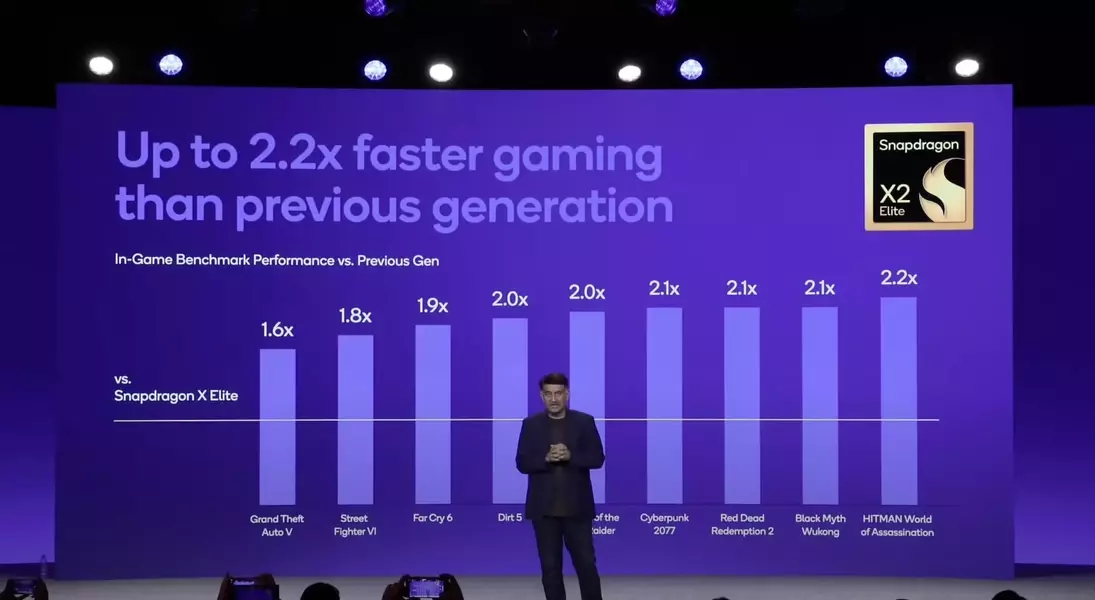
The competitive landscape for Arm-based PCs is rapidly evolving. Qualcomm has already introduced its second-generation Snapdragon X2 chips, while Intel is pushing forward with its Panther Lake processors, and Apple continues to innovate with its highly powerful M-series Arm chips. In this dynamic environment, Nvidia's N1X, while promising in its GPU capabilities, might find its CPU offering, based on off-the-shelf Arm cores, less groundbreaking compared to custom-designed cores from rivals. The full potential of Nvidia's Arm endeavor may only be realized with the future N2 series, which is rumored to feature Nvidia's own custom-designed Arm cores. This suggests that while the N1X marks an important first step, Nvidia's true impact on PC gaming and computing may take a longer period to materialize as it refines its hardware and software ecosystem.
