

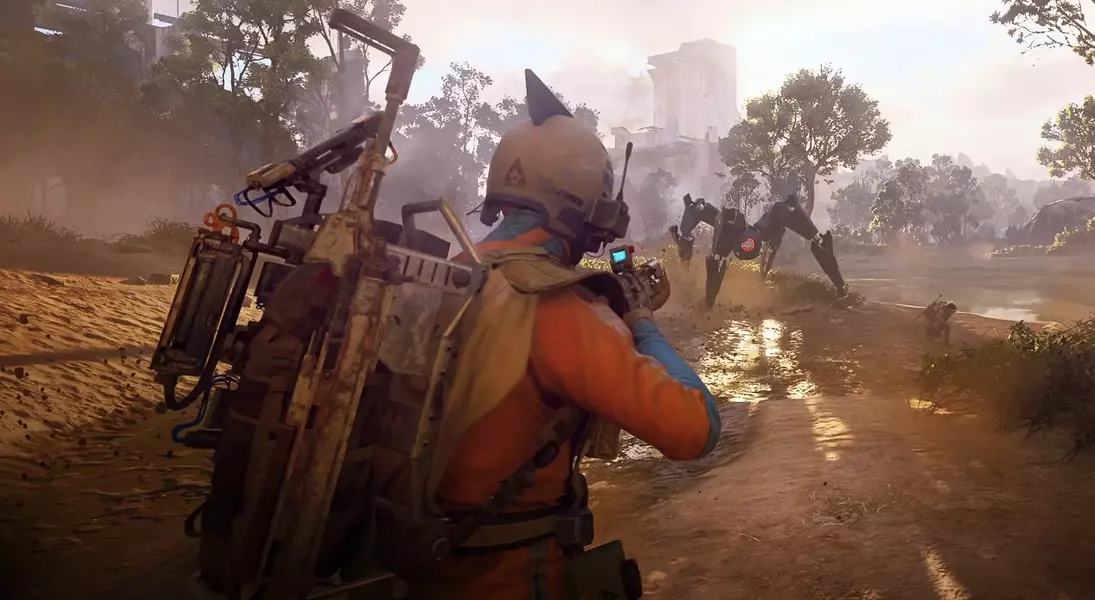
The game Arc Raiders has been a hot topic of discussion due to its controversial “late spawn” mechanic. This feature allows players to join matches already in progress, often with limited time remaining on the clock. While players frequently express frustration over this system, feeling they are at a disadvantage, the developers at Embark Studios have a different perspective, suggesting that late joiners might actually benefit more than perceived. This article explores the various viewpoints on this mechanic, from player complaints to developer insights, and outlines the studio's plans for future adjustments.
Navigating the Controversial Waters of Late Spawns in Arc Raiders
The Player's Perspective: Acknowledging Frustration with Late Entries
Many players have voiced their dissatisfaction with joining Arc Raiders matches late. These instances frequently involve arriving with only about 11 minutes left, leading to a sense of being robbed of valuable game time. This often results in players feeling unable to complete objectives or secure meaningful loot, sometimes prompting them to abandon the match entirely. The core of this frustration lies in the perceived inability to engage fully with the game's objectives and the feeling of being at a disadvantage compared to those who started from the beginning.
Developer Insights: Data Versus Perception in Late Game Spawns
Virgil Watkins, the design lead at Embark Studios, has openly discussed the late spawn system, acknowledging the disparity between player perception and in-game data. He admits that the feeling of inadequacy due to insufficient time for trials is a valid concern. However, Watkins points out that statistics reveal late joiners often "economically profit way more" than initial participants. He attributes this to factors such as encountering the remnants of skirmishes, easily eliminating larger adversaries, and accessing high-value zones more readily, suggesting an unexpected advantage for those arriving later in the game.
The Reality of Late Game Looting: Scarcity and Strategy
Despite the developer's data-driven perspective, the practical experience for many late-joining players remains one of scarcity. While it's true that some resources might still be available, players often find themselves sifting through "loot scraps." The most valuable items, such as Bastion Cells or Queen Reactors, are typically claimed by earlier participants. This creates a scenario where latecomers are left with less desirable materials like cloth and plastic parts, reinforcing the perception that the rewards for joining late are minimal.
The Strategic Intent Behind the Late Spawn System
The implementation of late spawns was not arbitrary; it served a specific strategic purpose. Watkins explains that the original intent was to maintain a healthy player count throughout the duration of a match. The concern was that if all players began at the same time, many would depart after a short period, leaving the remaining players in solitary gameplay. By enabling late joins, the developers aimed to ensure a continuous stream of participants, thereby fostering a more dynamic and less isolated gaming environment until the match's conclusion.
Addressing the Pain Points: Balancing Player Experience and Game Design
While the late spawn system aims to keep matches populated, its negative impact on player experience is undeniable. Players arriving late often face the dual challenge of limited loot and insufficient time to accomplish personal or team objectives. Furthermore, they may find themselves at a disadvantage in player-versus-player engagements against opponents who have accumulated superior gear from an earlier start. The studio is now focused on mitigating these "pain points," particularly for players with specific objectives that are undercut by a late entry, striving to improve the overall player experience within the current framework.
