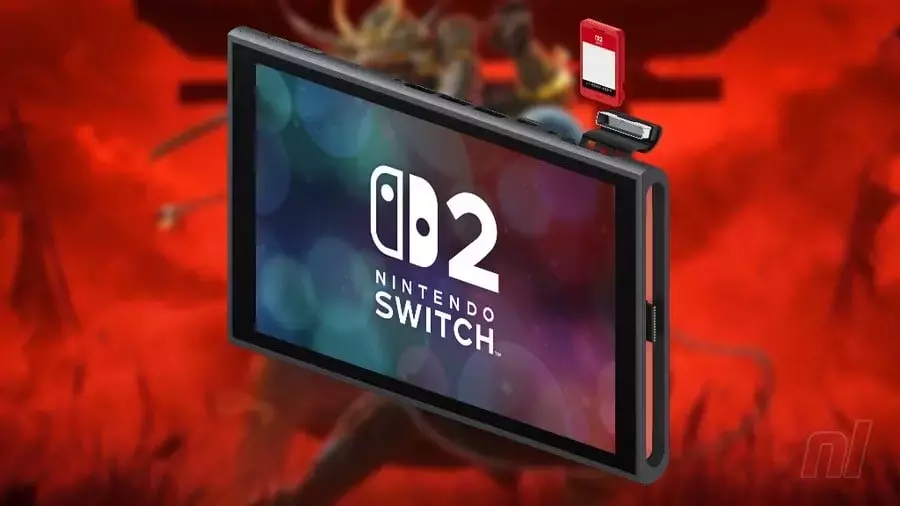
Recent developments suggest that Nintendo is actively seeking to broaden its physical media offerings for the Switch 2. The company is exploring the introduction of smaller game cartridge sizes, aiming to provide a more cost-effective solution for publishers compared to the existing expensive 64GB cartridges or digital Game-Key Cards. This initiative appears to be a direct response to player and developer feedback, signaling a potential shift in Nintendo's approach to physical game distribution.
Nintendo's Evolving Physical Media Strategy for Switch 2
On December 19, 2025, an important update surfaced regarding Nintendo's strategy for Switch 2 physical game releases. Previously, the primary options for publishers were high-capacity 64GB cartridges or Game-Key Cards, which essentially provided a digital download code. This limited choice often led to increased manufacturing costs for physical editions, prompting many smaller titles to opt for the Game-Key Card route. However, a recent blog post from ININ Games, developer of R-Type Dimensions III, confirmed that Nintendo has announced new smaller cartridge sizes for the Switch 2 console. This revelation has paved the way for ININ Games to proceed with a full physical cartridge release for R-Type Dimensions III across Europe and the US, despite a slight price increase of 10€ to offset production costs. Early pre-orders for special editions will not be affected by this price adjustment.
This news follows earlier speculation circulating online, notably from game preservation communities such as 'Does It Play' and 'Physical Paradise' on Twitter, both of whom claimed to have multiple sources indicating Nintendo's plans to introduce 16GB and 32GB cartridge options. While material costs and chip shortages continue to influence pricing, these new smaller capacities are expected to make physical releases more accessible for independent developers. Ubisoft previously cited performance requirements for their decision to use Game-Key Cards for titles like Star Wars Outlaws, highlighting that cartridge speed, not just size, can be a factor. Nevertheless, smaller cartridges could still benefit games less dependent on high-speed asset streaming. This move is seen as a positive step by the gaming community, who have expressed a strong desire for genuine physical releases.
The potential introduction of diverse cartridge sizes addresses a significant concern within the gaming community, particularly among those who value physical game ownership. By offering more flexible and affordable options, Nintendo could foster a more vibrant market for physical releases, encouraging developers to invest in tangible formats. This strategic adjustment could help bridge the gap between expensive large-capacity cartridges and purely digital solutions, ensuring that more games are preserved and accessible in physical form for years to come. It underscores the importance of listening to community feedback and adapting to evolving market needs in the dynamic world of video game publishing.
