
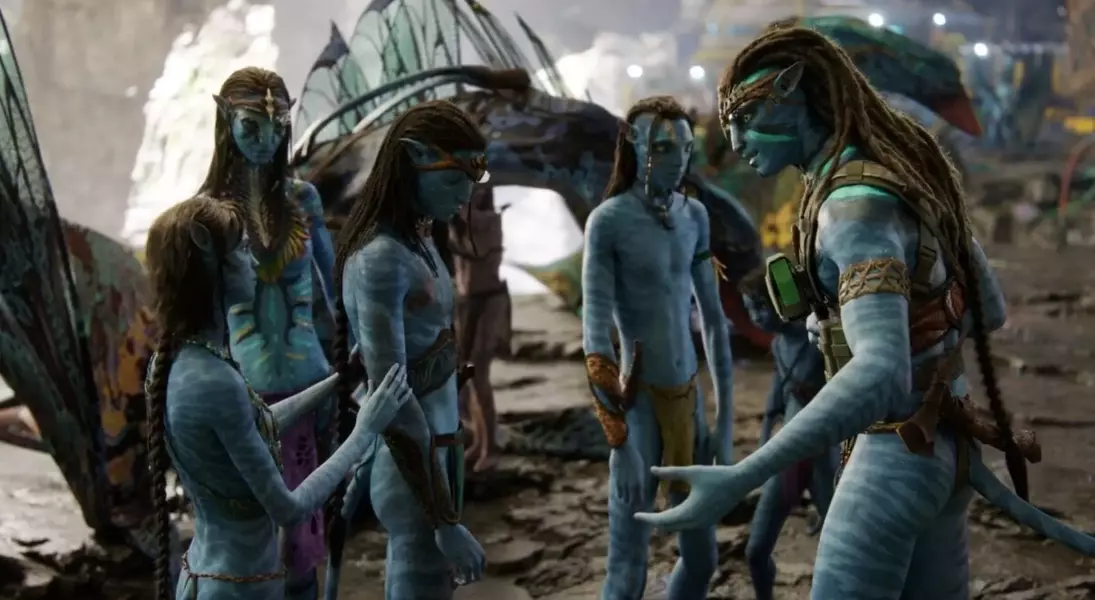


In contemporary science fiction, the 'Avatar' series by James Cameron has achieved a more profound and authentic portrayal of familial dynamics than the long-standing 'Star Wars' franchise. While 'Star Wars' often highlights a 'Skywalker Saga' centered on bloodlines and pre-destined roles, 'Avatar' moves beyond superficial connections to explore the rich, multifaceted tapestry of a blended family, showcasing their struggles and triumphs in a more grounded and relatable manner.
Conversely, the 'Star Wars' narrative, despite its emphasis on family, frequently portrays relationships that are either symbolic or strained, often overshadowed by grander conflicts and destinies. Characters like Luke Skywalker primarily interact with mentors and peers, with his biological father, Darth Vader, serving more as a thematic challenge than a consistent paternal figure. This often leads to a less intimate depiction of family life, where the weight of legacy can sometimes impede genuine character development and emotional depth. The decision to retcon Rey's parentage in 'The Rise of Skywalker' further underscores the franchise's struggle to organically integrate family themes, frequently resorting to plot devices rather than character-driven evolution.
The 'Avatar' sequels, 'The Way of Water' and 'Fire and Ash,' significantly deepen this theme by establishing Jake Sully and Neytiri's extensive blended family, comprised of biological Na'vi children, an adopted child of a human scientist, and a human foster son. This diverse family unit, facing internal and external challenges, becomes the emotional core of the story. Cameron's storytelling, although occasionally criticized for its conventional elements, skillfully depicts the complexities of parenthood, the nuances of sibling relationships, and the ongoing negotiation of identity within a multicultural household. This intricate depiction of everyday family life, with its arguments, support, and shared experiences, provides a stark contrast to the more idealized or tragic family narratives often found in 'Star Wars,' establishing 'Avatar' as a compelling exploration of what it means to be a family in an extraordinary setting.
Ultimately, 'Avatar' provides a more resonant and impactful narrative on family, demonstrating that genuine connection and growth often stem from the shared experiences and active nurturing within a family unit, rather than solely from lineage or destiny. It reminds us that strength and identity are forged not just through grand adventures, but also through the intricate, daily interactions that shape and bind us together.
