The recent dispute involving Lionel Messi and Major League Soccer has brought into sharp focus the complex dynamics between global football icons, league mandates, and the evolving landscape of professional sports. This incident, centered around Messi's absence from the MLS All-Star Game, has ignited a significant discussion regarding the applicability of existing rules to athletes of his stature, the commercial and sporting priorities of the league, and the overarching implications for player well-being within a demanding schedule. It underscores the ongoing challenge for leagues to balance their brand promotion with the practicalities of managing elite talent.
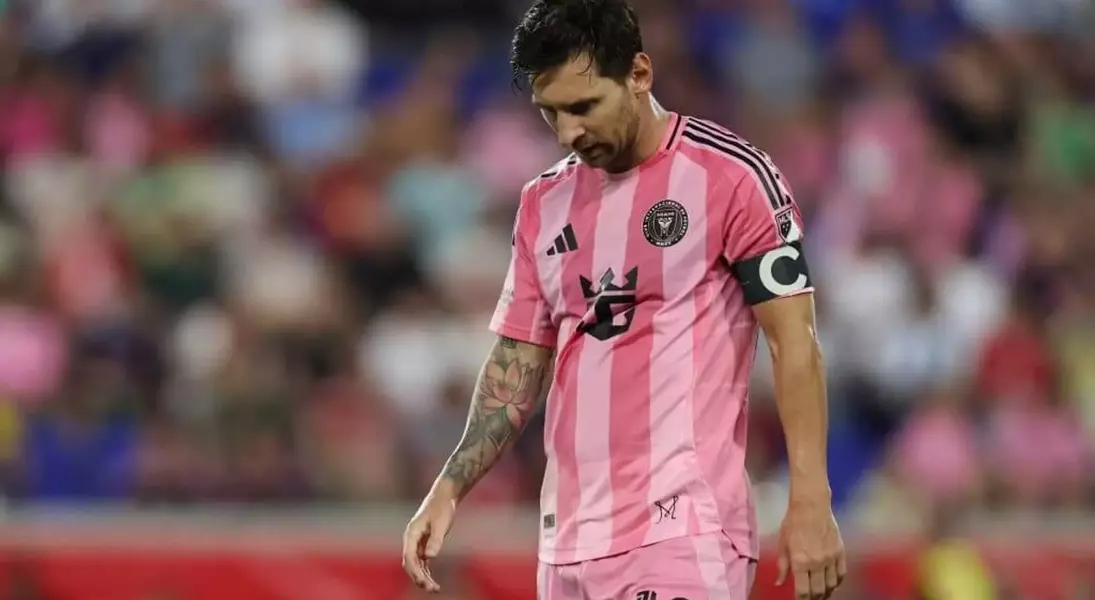
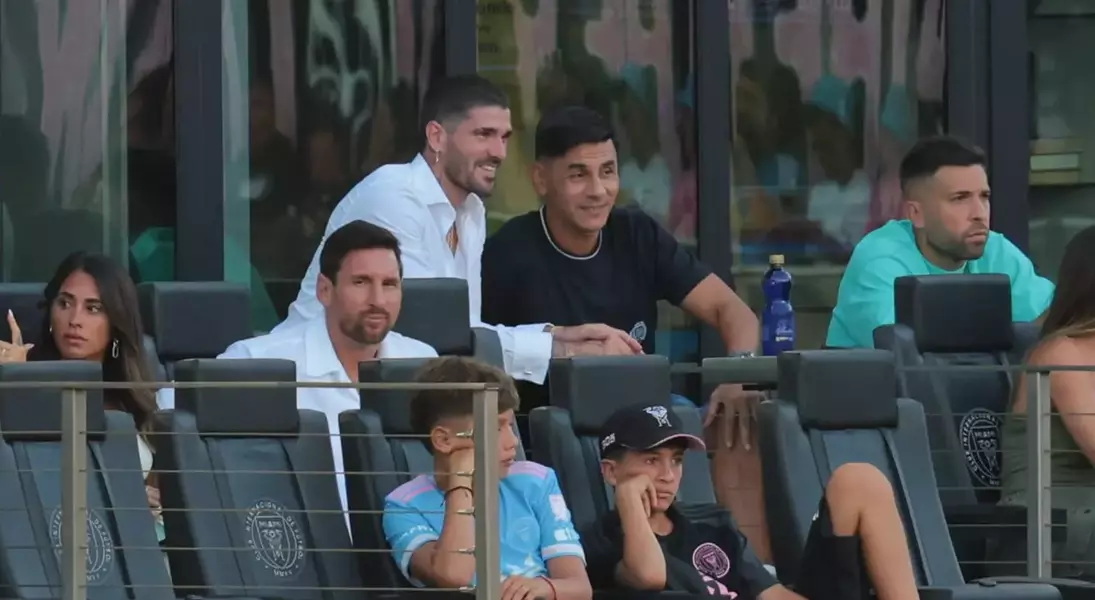
At the heart of the matter lies Messi's decision, alongside teammate Jordi Alba, to skip the MLS All-Star Game in Austin, Texas. This move resulted in a one-game suspension for both players, a penalty enforced under a league rule established in 2018. Inter Miami co-owner Jorge Mas characterized this policy as 'draconian,' noting its original intent was to ensure top players participated in the mid-season showcase. Mas defended his players, highlighting their demanding schedule of nine matches in 35 days, where Messi played every minute. Miami's manager, Javier Mascherano, also suggested reconsidering the All-Star Game's timing, proposing it be played on a weekend rather than mid-week to allow for better player recovery.
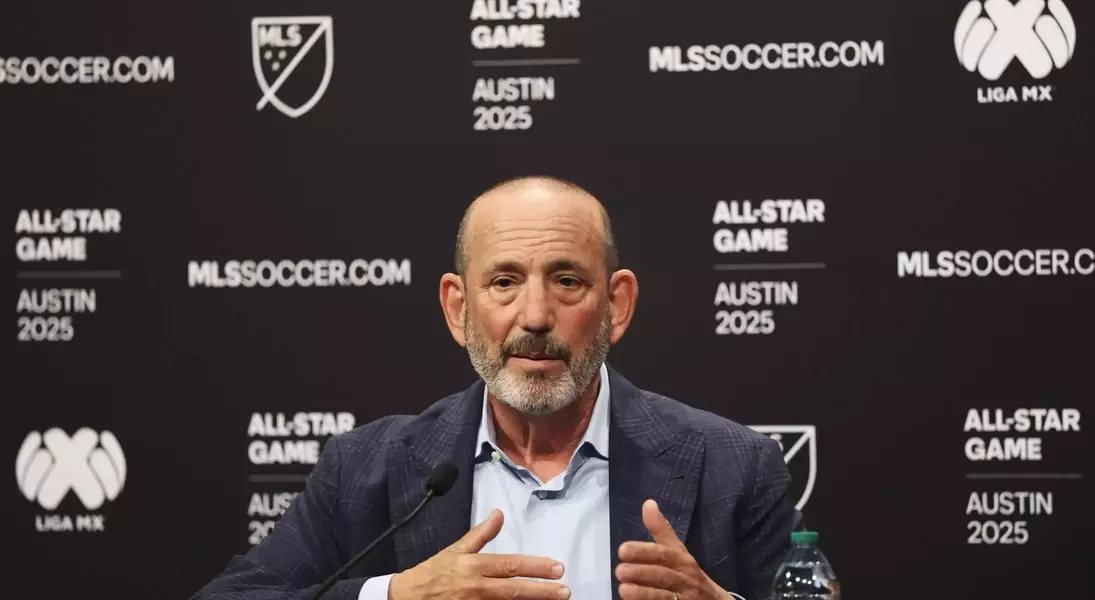
This situation isn't unprecedented within MLS. Zlatan Ibrahimović, another prominent international star during his time with the LA Galaxy, also famously opted out of the All-Star Game, asserting that the event was below his professional standards. Then, as now, MLS Commissioner Don Garber staunchly defended the league's position, emphasizing the All-Star Game's importance as a premier event for the league and its mechanism to reward participation while penalizing absences. However, critics argue that elevating the All-Star Game above the MLS Cup final signifies misplaced priorities, suggesting the event serves more as a networking opportunity and a celebration for league personalities and stakeholders rather than a pivotal competitive fixture for the players.
For many MLS players, an invitation to the All-Star Game represents a significant form of recognition and often comes with a financial bonus, making it a desirable event. However, for a player of Messi's global standing, particularly given his rigorous schedule, the perceived value of such an exhibition differs. The league's expectation that he would willingly participate in an event primarily designed to showcase MLS talent, after competing in demanding tournaments like the Club World Cup, was perhaps a miscalculation. While Inter Miami acknowledged that it should have sought a workaround, the league's decision to penalize Messi for prioritizing games of greater competitive significance was widely seen as petty rather than a strictly necessary enforcement of rules.
The league's handling of the situation has drawn criticism, with many believing it presented a negative image for MLS. The delay in clarifying Messi's status until the day of the game further overshadowed the event itself, leading to what Commissioner Garber himself admitted was a 'very, very difficult decision' and a missed opportunity to amend the rule. Despite the controversy, Messi continues to be an invaluable asset for MLS, promoting the league globally through his performances in competitive matches, such as his historic free-kick winner in the Club World Cup, and through his extensive social media presence. As the MLS-Liga MX Leagues Cup commenced, Messi was once again expected to carry the league's banner, illustrating his ongoing impact despite the All-Star Game incident.
The Leagues Cup, while not fully embraced in both Mexico and the U.S., has seen moments of "Messi magic," including his debut game-winner that led Miami to the inaugural title in 2023. This ongoing need for Messi's star power highlights a broader conversation about player welfare and the demands of an increasingly congested football calendar. Even MLS itself appears to have evolving views on the All-Star Game's format, with Commissioner Garber suggesting in 2022 that the advent of the Leagues Cup might diminish the need for another showcase event. Ultimately, how MLS navigates its relationship with Messi and capitalizes on his presence, particularly concerning his contract and future participation in various competitions, will be crucial for the league's continued growth and international standing, demonstrating the delicate balance between commercial interests and athletic integrity.
