
This tournament marks a significant turning point for Spain's women's national football team, transcending the outcome of the Euro 2025 final. While the sting of defeat against England in a penalty shootout was palpable, particularly for emerging talents like Vicky Lopez, the broader narrative is one of profound transformation. The team's journey, from battling their federation for basic professional conditions to achieving top-tier success, illustrates a powerful evolution in women's football. This Euros, despite the final loss, is celebrated as a pivotal moment, signaling a new era of professionalism and ambition for Spanish football.
A New Dawn for Spanish Women's Football: Enhanced Conditions and Unprecedented Success
In a dramatic and emotional conclusion to the Euro 2025 final, held on July 27, 2025, in Basel, Switzerland, Spain’s reigning world champions faced a formidable England squad. Despite their valiant efforts and a gripping penalty shootout, the Spanish side ultimately fell short of securing the European Championship title. The match, which saw young midfielder Vicky Lopez visibly distressed as she collected her silver medal, underscored the team's immense disappointment. Yet, this highly anticipated tournament was more than just a contest for a trophy; it was a powerful testament to the remarkable advancements within Spanish women’s football.
For years leading up to the 2023 World Cup, the Spanish national team endured a contentious relationship with the Royal Spanish Football Federation (RFEF). Players tirelessly advocated for improved conditions, seeking parity with their club-level professional experiences, particularly those from elite clubs like Barcelona. Their demands encompassed a comprehensive range of improvements: optimal travel arrangements to minimize fatigue, sufficient recovery time, access to dedicated nutritionists, in-depth opponent analysis, adequate friendly matches for preparation, specialized physical trainers, more physiotherapists, and elite training facilities. Former player Veronica Boquete's reflections on the 2013 Euros painted a stark picture of past deficiencies, with isolated hotels and inadequate support staff. This persistent struggle for basic professionalism highlighted a significant disparity between the team’s talent and the resources allocated to them.
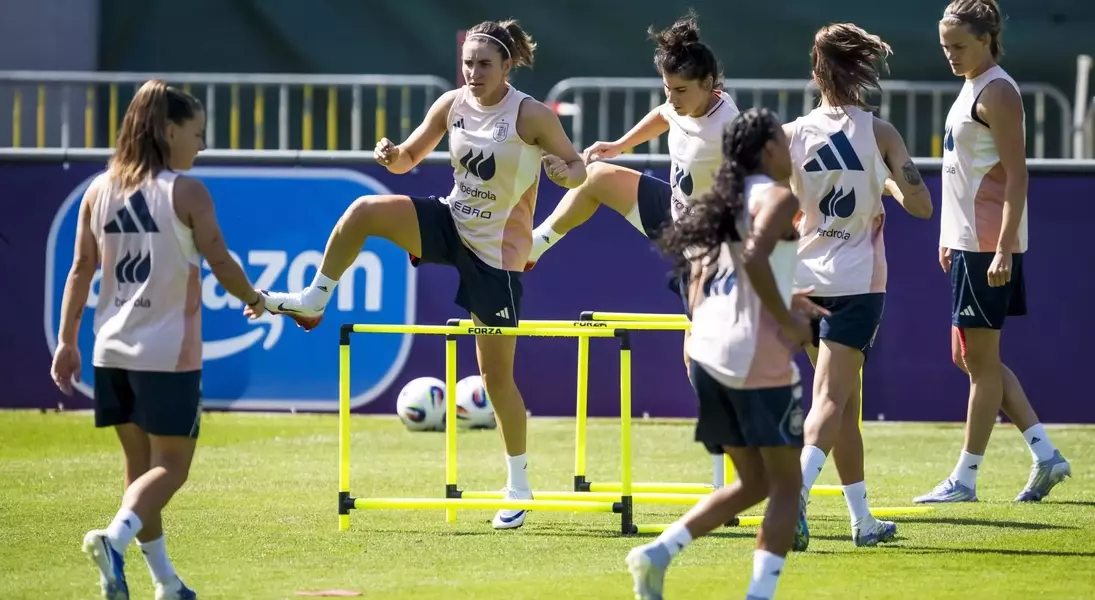
The current Euro 2025 campaign, however, marked a dramatic departure from this challenging past. The RFEF's commitment to fostering a truly professional environment was evident in every detail. The team established its base in the picturesque city of Lausanne, Switzerland, a central and convenient location that facilitated easy travel to match venues. The Juan-Antonio-Samaranch Stadium, recognized as one of Switzerland’s premier training grounds, became their daily sanctuary, complemented by the luxurious Hotel Royal Savoy. To further enhance player comfort and well-being, the RFEF introduced thoughtful initiatives, including customized hotel décor, the inclusion of a dedicated chef and maitre d', and a family-friendly room for players with children, such as Irene Paredes and Alba Redondo. These meticulous arrangements ensured that players could focus entirely on their performance, free from logistical concerns.
A compelling example of this transformative journey is the return of Patri Guijarro. A prominent figure among the 15 players who opted out of the national team in September 2022 due to the unsatisfactory conditions, Guijarro’s decision to rejoin for the 2024 Olympics and the Euro 2025 tournament spoke volumes. Her exceptional performance throughout the Euros solidified her belief that genuine change had indeed occurred. She eloquently articulated the impact of these enhancements, citing "perfect food," enhanced recovery with more physiotherapists, psychological support, and comfortable travel, all of which contribute significantly to on-pitch performance. The presence of two doctors, six physiotherapists, and a robust communications and fan experience team further underscored the RFEF's commitment. Anonymous sources within the team confirmed a newfound sense of professionalism, allowing them to channel their energy solely into football.
The tangible results of these reforms are undeniable. In just two short years since the implementation of these professional standards, Spain’s women’s national team has achieved unprecedented success, including a World Cup victory and a Nations League title, culminating in their first-ever appearance in a European Championship final. Their distinctive "tiki-taka" style, characterized by fluid possession and strategic positioning, has reached new heights. Throughout the tournament, they dominated Group B, remaining unbeaten and leading all 16 participating teams with 14 goals. Their journey to the final included impressive knockout victories over host nation Switzerland and a hard-fought extra-time win against Germany, showcasing their unwavering resolve and tactical brilliance. Despite defensive vulnerabilities, their cohesive midfield, spearheaded by the formidable trio of Aitana Bonmati, Patri Guijarro, and Alexia Putellas, proved to be a formidable force. While the final outcome was a narrow defeat, the Euro 2025 tournament unequivocally marked a turning point, symbolizing the profound and lasting progress of Spanish women's football. As the team now enters a period of rest, reflecting on their arduous but ultimately rewarding fight for better conditions, they do so with the knowledge that their efforts have truly heralded "the beginning of something" extraordinary.
From a journalist's perspective, the narrative of Spain's women's football team is a powerful and inspiring tale of resilience and progress. It transcends the typical sports story of wins and losses, delving into the crucial fight for equitable treatment and professional standards. This journey highlights that true success in sports isn't solely measured by trophies, but by the systemic changes that empower athletes to reach their full potential. The team's unwavering commitment to advocating for better conditions, even at the risk of personal sacrifice, serves as a beacon for other sporting organizations. Their story is a compelling reminder that investment in athlete well-being, infrastructure, and comprehensive support systems is not merely a luxury, but a fundamental requirement for sustained excellence and the overall advancement of the sport. It's a testament to the fact that when athletes are given the resources and respect they deserve, their talent can truly flourish, leading to transformative results both on and off the field.
