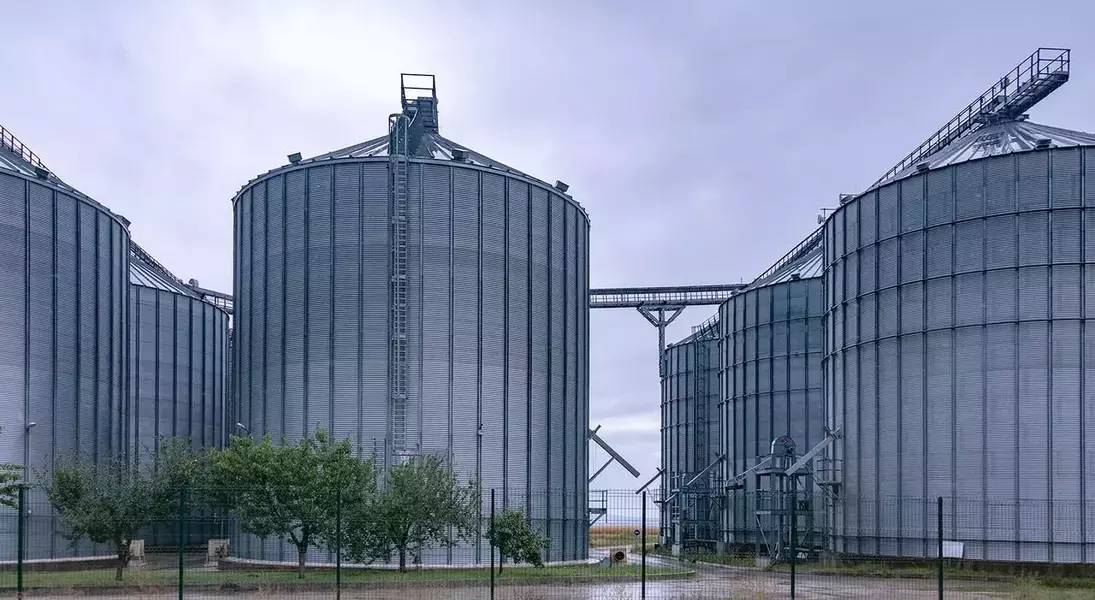
In a current agricultural landscape characterized by significant grain abundance and a corresponding decline in market prices, farmers confront the strategic dilemma of whether to sell their harvest immediately or retain it in storage with the anticipation of future price appreciation. This decision, fraught with complexities, demands a nuanced understanding of market dynamics and the judicious application of diverse marketing strategies. Despite the inherent risks associated with storing large volumes of grain, particularly amidst record corn and soybean yields that can strain storage capacities, producers possess an array of financial instruments and analytical approaches to navigate this challenging environment. The focus lies on leveraging market structures and contractual agreements to mitigate potential losses and maximize profitability in a volatile market.
A pivotal factor for consideration is the 'carry' prevalent in futures markets, which denotes the premium commanded by contracts for future delivery over immediate prices. Throughout the recent summer months, both corn and soybean futures markets exhibited a strengthening carry. For instance, the premium of March 2026 corn futures over December futures approached 18 cents by late July, representing a 4-cent increase since May and nearing a two-year high. Similarly, the July 2026 contract's premium surged to 36 cents. In the soybean sector, March 2026 futures' premium to November exceeded 34 cents, more than double its May valuation and approaching a two-year peak, with the July-to-December spread nearing 60 cents. This expanding carry often signals market expectations of robust harvests and a reduced urgency among buyers for immediate supplies. Consequently, a strengthening carry can be interpreted as an incentive for farmers to store their freshly harvested crops and defer sales until the following year.
To capitalize on this market structure, some agricultural advisors advocate for options-based strategies designed to 'capture the carry.' This involves selling call options on deferred futures contracts at price levels above current market rates. However, implementing such strategies necessitates a thorough evaluation of additional factors, notably storage costs, which can significantly impact overall profitability. Another valuable tool in a farmer's arsenal is the hedge-to-arrive (HTA) contract. According to Ed Usset, a prominent grain marketing economist at the University of Minnesota, farmers who initially hedged their new-crop grain using November or December contracts have a significant opportunity to transfer this hedge to later months, such as May or July. This allows them to benefit from the carry while also providing additional time for the basis—the difference between the cash price and the futures price—to potentially improve.
HTA contracts present several advantages, including the ability to lock in the futures price component, thereby limiting downside price risk, and offering flexibility to roll the contract forward within the same crop year. Importantly, these contracts typically do not require farmers to meet margin calls, as the elevator assumes this responsibility. Nevertheless, HTA contracts are not without their drawbacks; producers cannot benefit from subsequent futures price rallies once the price is locked in, and they remain exposed to downside basis risk. Therefore, continuous monitoring of basis levels is crucial for optimizing the pricing strategy. Beyond HTA contracts, selling 'out-of-the-money' call options can serve as a viable strategy to offset storage expenses. Naomi Blohm, a senior market advisor, highlights that while this approach involves the risk of margin calls if futures prices unexpectedly surge, it simultaneously allows the value of stored grain to appreciate. If the futures price remains below the strike price at expiration, the call option expires worthless, and the premium collected provides direct income.
Ultimately, the decision to sell immediately or store depends on a comprehensive analysis of individual farm circumstances, market outlook, and risk tolerance. While significant harvests coupled with low prices present formidable marketing challenges, a strategic approach incorporating elements like futures market carry, hedge-to-arrive contracts, and carefully managed options strategies can empower producers to navigate this complex environment effectively. These tactics enable farmers to mitigate price volatility, optimize returns, and strategically position their inventory for future market opportunities, thereby enhancing the overall resilience and profitability of their operations.
