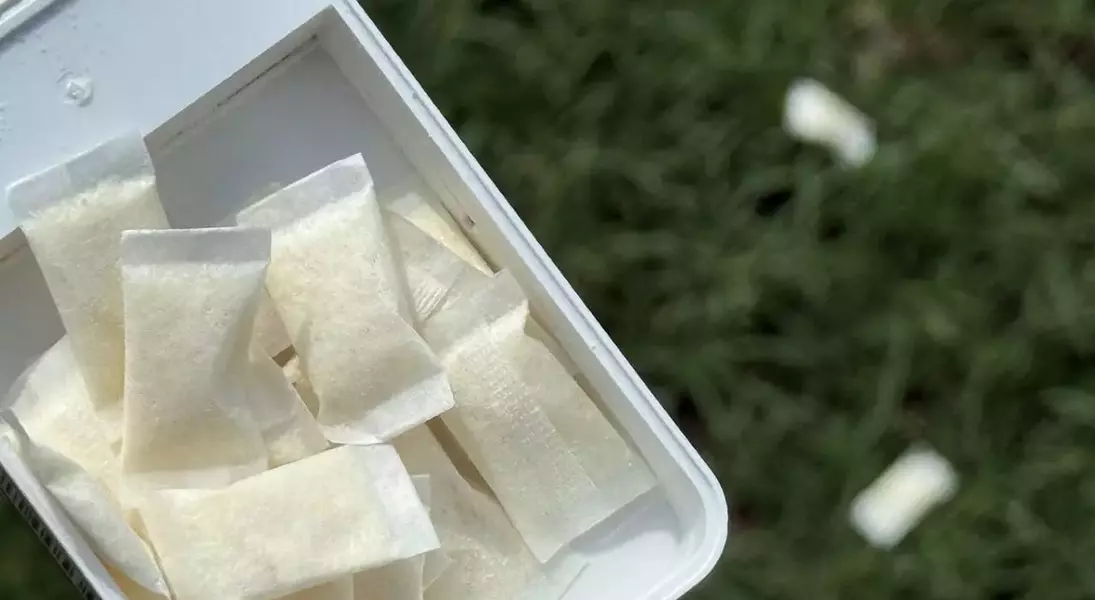
This article explores the rising popularity of nicotine pouches, their surprising environmental impact, and the critical need for proper disposal practices. It highlights how these modern nicotine delivery systems, despite their perceived advantages, are contributing to a growing litter problem and pose risks to both the environment and public health.
Conscious Consumption: Disposing of Nicotine Pouches Responsibly
The Ubiquitous Presence of Nicotine Pouch Debris
A casual observation often reveals small, discarded nicotine pouches scattered across various public spaces, from restaurant entrances to recreational areas. This increasingly common sight suggests that these products are becoming the contemporary equivalent of discarded cigarette butts, marking a growing environmental concern. Their widespread presence signifies a challenge that is unlikely to diminish without increased awareness and behavioral changes.
The Alarming Surge in Nicotine Pouch Sales
Introduced in 2016, nicotine pouches have experienced an extraordinary surge in popularity. Data from the Journal of American Medical Association indicates a staggering 641% increase in sales between 2019 and 2022. This rapid adoption underscores the urgent need to address the environmental implications of these products, particularly regarding their proper disposal.
Understanding the Product and Its Addictive Nature
Nicotine pouches, designed for discreet placement between the lip and gum, offer users a smoke-free and vapor-free experience, available in diverse flavors and nicotine concentrations. Despite claims by some manufacturers that these pouches aid in smoking cessation, the U.S. Food and Drug Administration has not approved such assertions. A critical point of concern is their highly addictive nature, with the nicotine content in just ten 6-milligram pouches reportedly equivalent to that found in a pack to a pack-and-a-half of traditional cigarettes, as noted by the American Lung Association.
Environmental Footprint: A Closer Look at Non-Biodegradability
While nicotine pouches are generally considered less harmful to the environment than cigarettes due to the absence of smoke emissions and fewer toxic chemicals, their improper disposal still poses a significant problem. Many of the ingredients, such as sucralose and acesulfame potassium, do not naturally degrade. Moreover, despite containing plant-based cellulose, the binders and fillers used in these pouches prevent them from fully breaking down, making them a persistent form of litter.
Essential Guidelines for Responsible Disposal and Safety
Given the environmental and health implications, responsible disposal of nicotine pouches is paramount. Users are strongly urged to always place used pouches in a trash can, as this is the only appropriate method of disposal. The plastic containers in which the pouches are sold should be recycled once empty. Flushing pouches down toilets is strongly discouraged, as it can harm plumbing systems, the environment, and water purity. Furthermore, it is crucial to keep both new and used nicotine pouches out of reach of children and pets, as ingestion can lead to serious health risks due to their toxic nicotine content.
