The agricultural landscape is continuously shifting, presenting farmers and ranchers with a complex web of challenges and opportunities. This analysis explores the current climate of risk management within the agricultural sector, focusing on the divergent paths of crop and livestock production in 2025 and the strategies employed to navigate these uncertain times.
Cultivating Resilience: Strategies for Agricultural Prosperity Amidst Evolving Risks
Contrasting Economic Realities: Crop vs. Livestock Outlooks
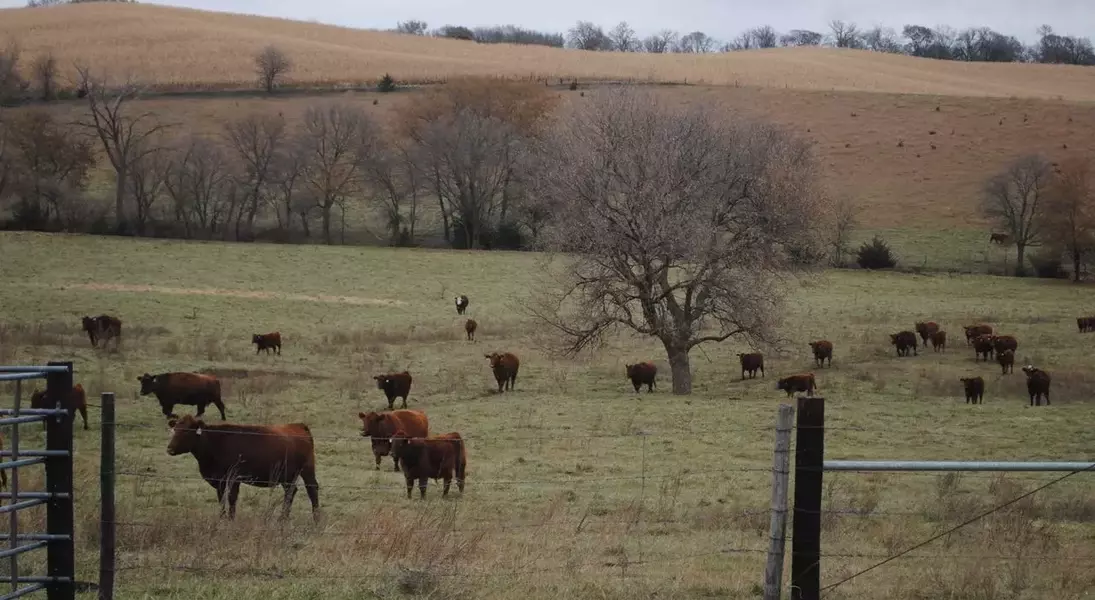
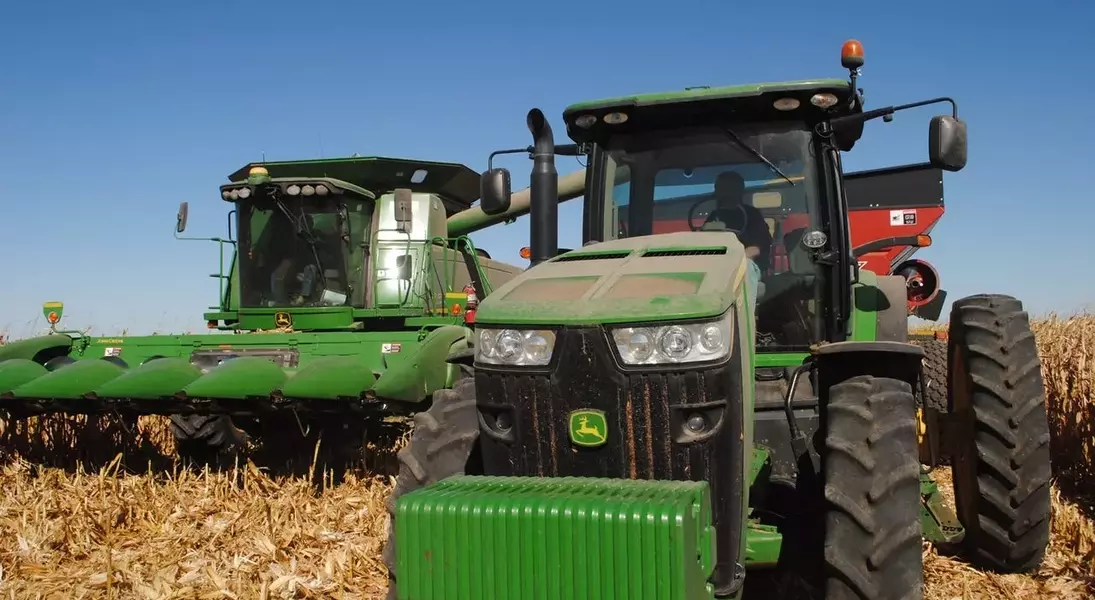
The financial prospects for agricultural producers in 2025 are notably varied. Crop producers are grappling with a challenging environment marked by declining commodity prices and persistent high input costs, leading to tightened profit margins. In contrast, cattle producers are experiencing a period of robust prices and increased revenue, largely due to reduced herd sizes. However, the enthusiasm for herd expansion is tempered by concerns about grazing conditions, cash flow, and long-term price stability. Recent legislative actions, including emergency economic aid and agricultural disaster assistance, have provided some relief and improved the financial outlook for many farmers.
Adapting to Agricultural Uncertainty: A Comprehensive Approach to Risk Mitigation
The inherent uncertainties in agriculture extend beyond mere market fluctuations to encompass production, marketing, financial, and legal domains. Producers entered 2025 with significant concerns about drought, but timely rainfall has alleviated some production risks. Effective risk management involves making informed decisions regarding production plans and crop insurance. On the marketing front, producers are continually adjusting their strategies to balance current pricing opportunities with future risk exposure. Federal programs, such as Agriculture Risk Coverage (ARC) or Price Loss Coverage (PLC), combined with crop insurance policies like Revenue Protection, form a crucial safety net against adverse price movements, especially following recent policy enhancements.
Navigating the Diverse Challenges: Financial, Legal, and Human Element Risks in Agriculture
Despite the differing market conditions for crop and livestock, all agricultural operations must prioritize sound financial management. This includes meticulous record-keeping, thorough cost-of-production analysis, and comprehensive financial statements to ensure stability and viability. The legal and regulatory landscape also presents considerable uncertainty, with ongoing shifts in trade, labor, immigration policies, and government programs adding layers of complexity. Furthermore, managing human resources, whether hired labor or family, is paramount for operational efficiency. Addressing the health and well-being of those involved in farming is equally critical for long-term success.
Addressing Specialized Risks and Empowering Producers Through Education
Beyond the common challenges, certain agricultural producers, particularly those involved in small-scale, diversified, or direct-marketing operations, encounter unique obstacles. These often include limited access to land, capital, specialized programs, and markets. Recognizing these distinct needs, the Extension Risk Management Education (ERME) program plays a vital role. Through regional centers like the North Central ERME Center at the University of Nebraska-Lincoln, this program provides essential education and resources. Its primary goal is to equip producers with the knowledge and skills necessary to understand and effectively manage the diverse risks inherent in their specific agricultural ventures, fostering resilience and long-term sustainability within the sector.
