The agricultural sector is on the cusp of a technological renaissance, with innovative solutions emerging to address long-standing challenges in farm productivity and efficiency. From versatile off-road vehicles designed for daily farm tasks to advanced sensors for real-time crop analysis and robust monitoring systems for livestock, these new tools represent a significant leap forward. They promise to empower farmers with unprecedented levels of precision, responsiveness, and operational flexibility, ultimately contributing to a more sustainable and productive agricultural future.
Cutting-Edge Innovations Transform Modern Farming Landscape
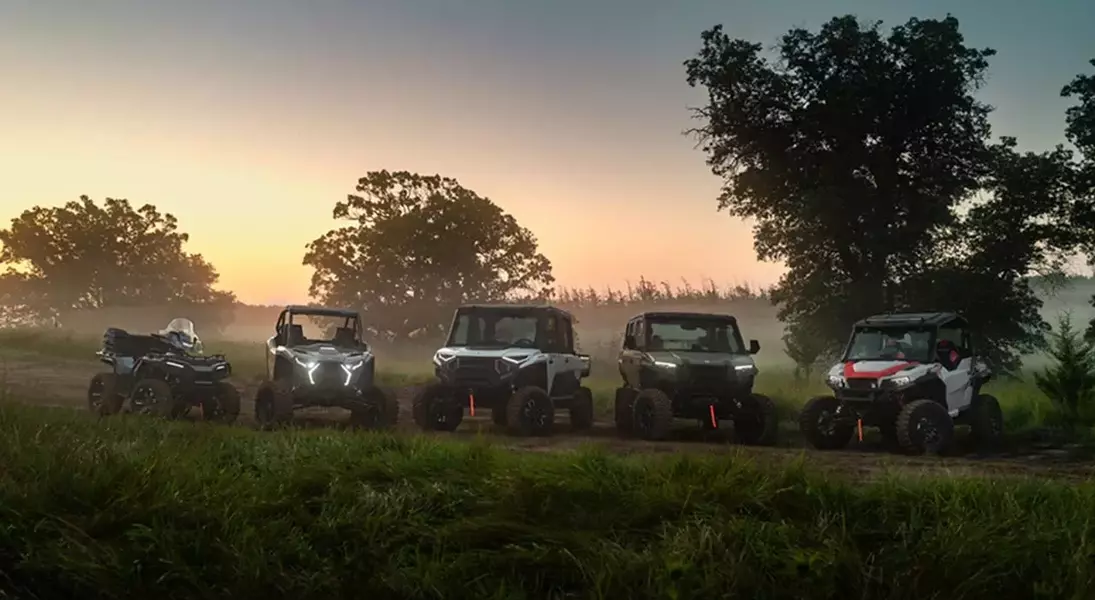
In a significant development for agricultural operations, Polaris has unveiled its highly anticipated 2026 off-road vehicle lineup, featuring the introduction of the Ranger 500. This new entry-level side-by-side, priced competitively, is engineered for practical versatility, making it an ideal companion for a wide array of daily tasks on the farm. Accompanying this new addition are updated models, including the robust Ranger XP1000, known for its impressive 1,000-pound cargo capacity and enhanced 29-inch Pro-Armor X-Terrain tires that offer a quieter and more efficient ride. Inside its climate-controlled cabin, a sophisticated 7-inch GPS display provides navigation across over 1.2 million miles of pre-mapped trails, offering unparalleled guidance for large-scale operations. Furthermore, commemorating its 40th anniversary, Polaris is releasing limited-edition Sportsman 570 models, adorned with nostalgic '90s-inspired graphics and unique badging, alongside optional heated seating and upgraded fender flares for the 2026 Sportsman series. The expanded lineup also includes refreshed General, Xpedition, RZR, and youth models, catering to diverse farming and recreational needs.
Concurrently, SCIO has introduced the revolutionary Mini 2 device, poised to redefine corn moisture measurement. Utilizing advanced near-infrared spectroscopy, this innovative tool enables corn farmers and seed producers to obtain instant moisture readings directly in the field, eliminating the need for time-consuming shelling or grinding processes. Damian Goldring, co-founder and chief technology officer at SCIO, emphasizes the device’s critical role for seed technology managers navigating vast cornfields, stating, “SCIO Mini 2 puts precision in the palm of your hand. In seconds, you know whether to harvest or hold.” The Mini 2 boasts a rugged design, an improved light source, and a significantly increased scanning capacity of 1,000 scans per charge, a substantial upgrade from its predecessor's 250. Its portable, user-friendly design, integrated with a corn ear accessory, streamlines field operations by instantly streaming data via Bluetooth to mobile applications or the cloud.
Adding to these technological advancements, Sensaphone has launched its Sentry and Sentinel monitoring systems, providing livestock farmers with vital, continuous oversight. The Sentry system, a cellular-based device, ensures around-the-clock environmental condition monitoring without requiring internet or landline connections. It effectively tracks critical variables such as temperature fluctuations, humidity levels, power interruptions, and water intrusion, promptly dispatching alerts via text, phone, or email through a cellular network. Equipped with a battery backup and GPS locator, the system allows for data access and management from any web-enabled device or mobile application. For those requiring more detailed insights, the Sentinel system leverages the same reliable cellular infrastructure to monitor additional conditions, including airflow, carbon dioxide levels, water pH, and potential malfunctions in crucial livestock infrastructure such as circulation fans, ventilation systems, and heating/air-conditioning units. These systems promise to safeguard livestock health and optimize operational conditions, providing peace of mind for farmers.
The convergence of these cutting-edge technologies signals a transformative era for agriculture. From optimizing fieldwork with advanced vehicles to precise crop management and vigilant livestock oversight, these innovations empower farmers to operate with unprecedented efficiency and informed decision-making. The future of farming appears brighter and more technologically integrated than ever before, fostering greater sustainability and productivity across the industry.
