
Lagos, Nigeria, is rapidly emerging as a dynamic and complex market for international luxury brands. Despite facing infrastructure challenges and economic fluctuations, the city's robust consumer base and vibrant cultural scene present significant opportunities for growth. International brands are increasingly recognizing Lagos not just for its financial promise, but also for its profound cultural influence, making strategic entry into this market a blend of economic calculation and cultural engagement.
Luxury Brands Discovering Lagos: A Growing Market Amidst Challenges
In a significant move that underscores Lagos's rising prominence in the global luxury market, Adidas recently celebrated the grand opening of its expansive 3,000-square-foot flagship store in Lekki. This momentous occasion, held during the summer, was a spectacle of vibrant live music and dazzling fireworks, further enriched by the artistic contributions of Nigerian artist Osoranna Mojekwu. Dignitaries, including Dr. Kadri Obafemi Hamzat, the Deputy Governor of Lagos State, alongside an array of prominent Nigerian personalities and musical talents like Ladipo Eso, graced the event, signaling the city's increasing allure for global enterprises.
This strategic expansion by Adidas reflects a broader trend: a burgeoning recognition among international brands of the substantial opportunities present in Lagos, Nigeria's largest metropolis. The city has steadily captured international attention through high-profile events such as Lagos Fashion Week and Art X Lagos, which have successfully drawn a diverse mix of both burgeoning and established industry players to its shores.
However, the pathway to establishing a robust presence in Lagos is not without its complexities. It necessitates considerable improvements in infrastructure, alongside a thorough re-evaluation of existing policies, legislative frameworks, and tax regulations to truly incentivize and welcome global entities into the market. Nigeria's economy has experienced considerable volatility over the past decade and a half, grappling with various socioeconomic issues including escalating inflation, political obstacles, and persistent power deficits.
Despite these challenges, there are compelling signs of economic resilience and growth. In the third quarter of 2025, the economy expanded by nearly 4%, marking the latest period for which data is available. According to Henley & Partners, a leading consulting platform, Nigeria currently stands as Africa’s fourth most affluent market, trailing only South Africa, Egypt, and Morocco. The nation boasts a significant number of high-net-worth individuals, including approximately 7,200 millionaires, 20 centi-millionaires, and three billionaires, measured in USD.
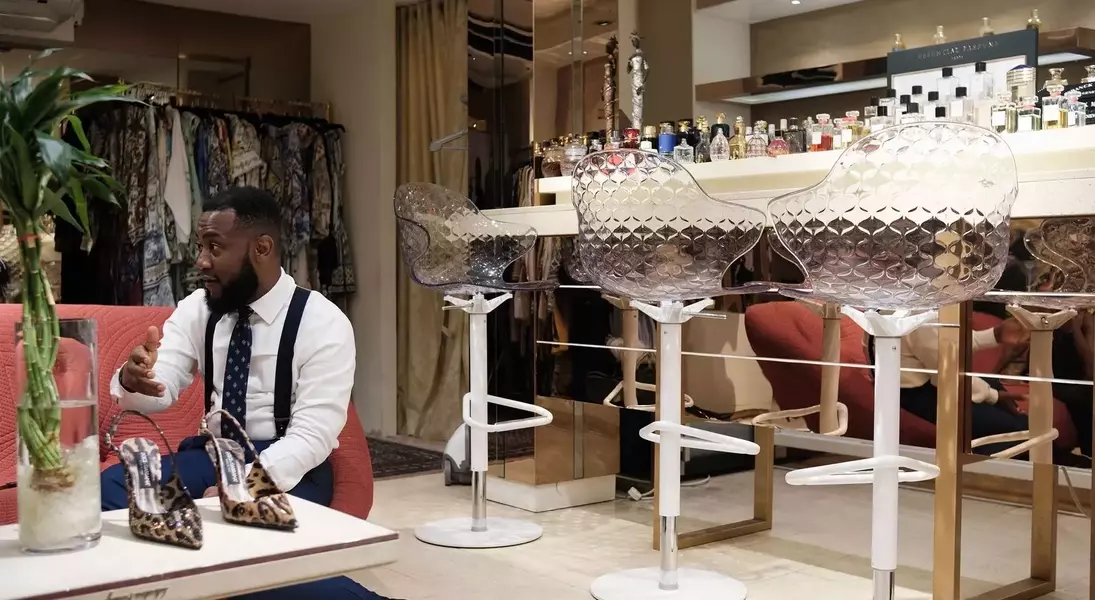
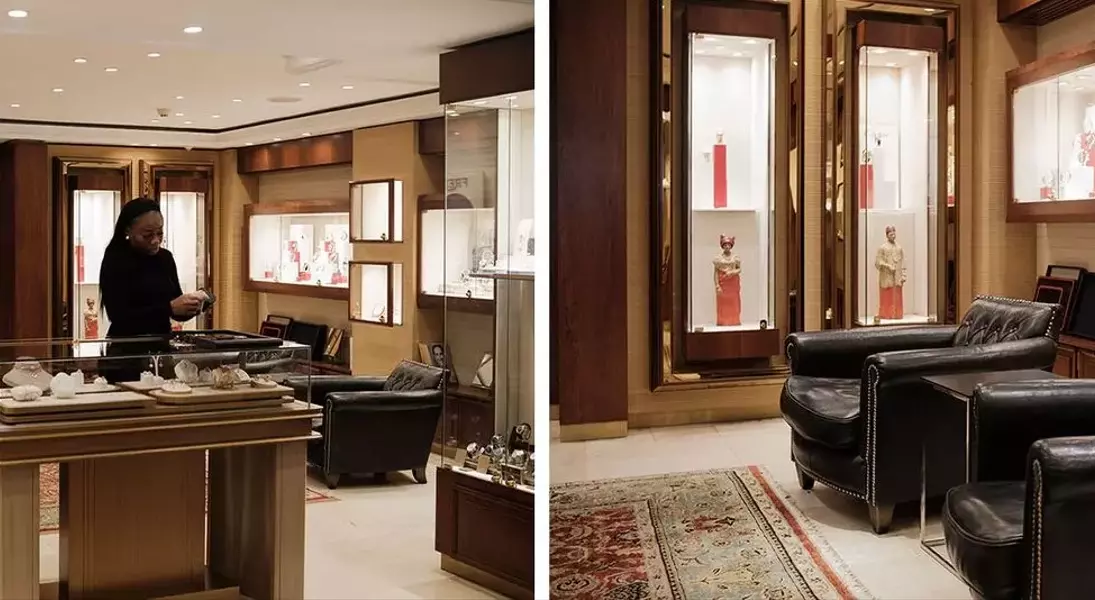
John Obayuwana, the visionary founder and managing director of Polo Luxury, a prestigious multi-brand group overseeing two high-end fashion and jewelry boutiques in Lagos, characterizes Nigerian consumers as exceptionally passionate. Polo Luxury has been instrumental in introducing several esteemed international brands, such as Chopard, Rolex, and Dolce & Gabbana, to the Lagos market through strategic wholesale partnerships.
When Obayuwana first established his enterprise in 1987, his clientele primarily consisted of Nigeria's elite, including political figures, royalty from neighboring African nations, and influential business leaders, to whom he supplied exquisite high jewelry and timepieces. By 2015, Polo Luxury strategically broadened its scope to encompass fashion. Obayuwana notes a discernible desire for luxury brands among Nigerians. He observes that Nigerian consumers frequently engage in luxury shopping abroad, evident in their presence in renowned retail destinations like Selfridges, Harrods, and Dubai malls, affirming their significant purchasing power.
In 2024, the renowned jewelry brand Swarovski inaugurated its store within The Palms shopping mall in Lagos, a premier retail destination. Concurrently, Amsterdam-based streetwear brand Patta opened its inaugural outpost in the city. Earlier, in 2021, Richemont's Montblanc also established a presence in The Palms. Beyond permanent establishments, other brands have engaged with the market through vibrant pop-up events and innovative marketing campaigns, such as London's Kai Collective, which hosted a successful pop-up at the luxury fashion retailer Alara.
These arrivals have been met with enthusiasm by the local populace. Maimuna Animashaun, a Lagos-based fashion retail partner and distributor, highlights the sophisticated fashion sensibilities of Nigerians, noting a growing segment of shoppers who show a clear preference for accessible luxury brands. She asserts that if brands can offer the latest collections, ensuring good quality and affordability, the market presents considerable opportunities for prosperity.
Animashaun further points out the diverse range of social classes and income levels available for brands to engage with, particularly on Lagos Island, a pivotal business and financial hub. Consumers in this area are often well-traveled and exhibit a heightened exposure to international luxury trends. Lagos is widely considered to be Africa's largest city, with an estimated population ranging from 17 to 21 million, though official government data has yet to be released.
While there is a clear and strong demand for international brands, especially those in the mid-tier or accessible luxury categories, the prevailing lack of adequate infrastructure within the city continues to constrain the market's full potential.
Early entrants into the Lagos market, such as international brands like Zegna and Nike, initially established stores in areas they believed would evolve into bustling high streets—typically near active commercial districts or supermarkets. However, their tenure in these locations proved to be brief. Yakubu Gobir, founder of Smart Mark, a leading fashion retailer and brand franchise operator in West Africa, which has facilitated the entry of over 20 international brands into the sub-region, including Levi’s and PVH’s Tommy Hilfiger and Calvin Klein, points out the rarity of finding a traditional high street in Lagos bustling with an array of retail stores, restaurants, cafes, and supermarkets on a single stretch. He explains that the challenge with high street locations is the necessity for businesses to independently generate foot traffic, a process that is time-intensive. Building a loyal customer base sufficient to sustain a standalone store and attract enough pedestrian flow for profitability requires considerable effort and time.
During the mid to late 2000s, Lagos witnessed a significant influx of investment, spurring ambitious plans to transform the city and attract foreign players, including through the development of new shopping malls. Gobir recalls a period when Nigeria was perceived as Africa's economic darling. Many observed these developments closely, interpreting them as indicators of a growing middle class and increasing consumer spending power within the country.
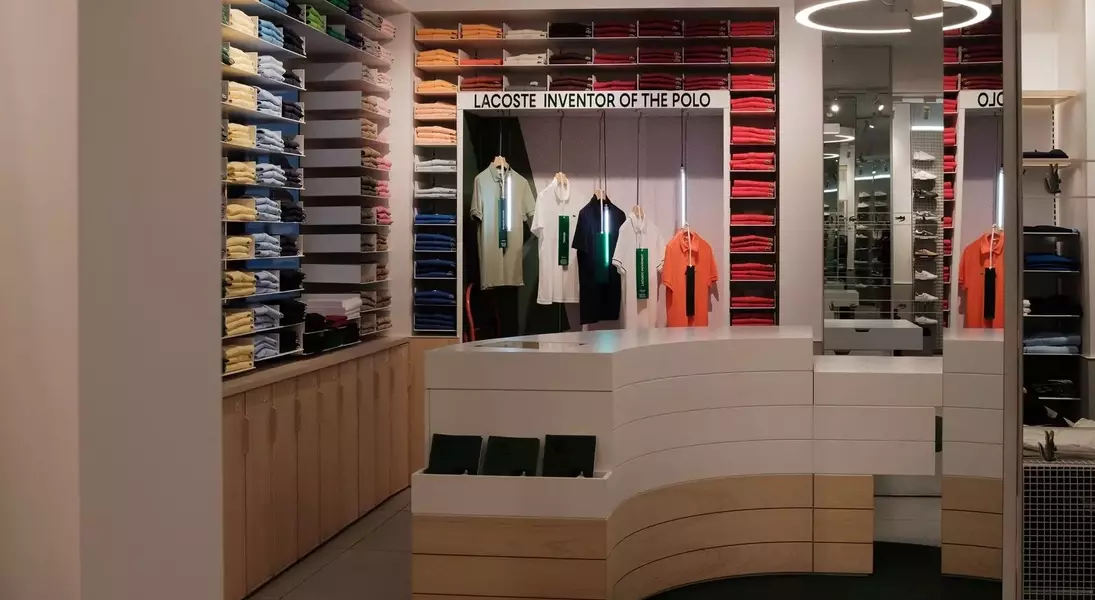
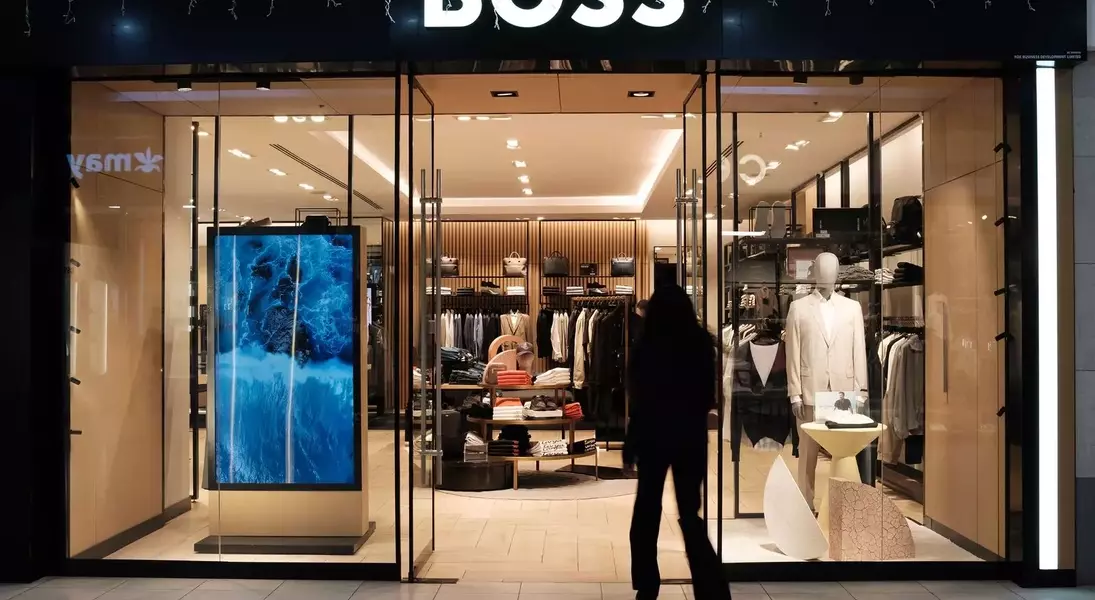
Shopping malls subsequently began to emerge in strategic, high-demand locations across Lagos, including Lekki, Ikeja, and Victoria Island. Over the years, these malls have successfully drawn an increasing number of international brands. For instance, The Palms in Lekki now hosts prestigious names such as Montblanc, Boss, Lacoste, and Puma, while the Ikeja shopping mall features popular brands like Tommy Hilfiger, Nike, and Mango.
Ayo Amusan, founder and CEO of Persianas Retail Limited, a prominent Nigerian retailer with over six malls across the country, notes that the advent of these malls initially generated considerable excitement within the market. He acknowledges that over the past two decades, the journey has been marked by periods of both progress and setbacks, including disruptions from road construction affecting footfall, the global impact of Covid-19, economic recessions, and fluctuations in foreign exchange rates. Notably, Nigeria experienced a recession in the summer of 2016, which stalled numerous retail projects, followed by the Covid-19 pandemic and subsequent lockdowns shortly after the economy began its recovery.
Today, Amusan expresses optimism regarding the future of these shopping centers, citing ongoing new development projects, including the construction of a 12,000-seat arena near The Palms shopping mall. Such initiatives are expected to significantly boost foot traffic and invigorate the area with renewed energy.
Amusan emphasizes that Lagos does not operate as a traditional high street market. Instead, Lagosians are predominantly "destination shoppers," which is why shopping malls thrive in the city. She highlights that the controlled environment, enhanced security, meticulously curated retail offerings, diverse entertainment and hospitality ecosystems, and convenient parking facilities are particularly appealing to local consumers.
Another significant hurdle for international brands looking to enter Lagos is the imposition of high import duties and tariffs. Nigeria actively discourages the importation of goods, particularly fashion items, as part of a strategic effort to stimulate local manufacturing and raw material production. This policy aims to enhance export levels and generate foreign exchange. Consequently, it has historically been exceptionally difficult for local consumers to acquire international luxury goods.
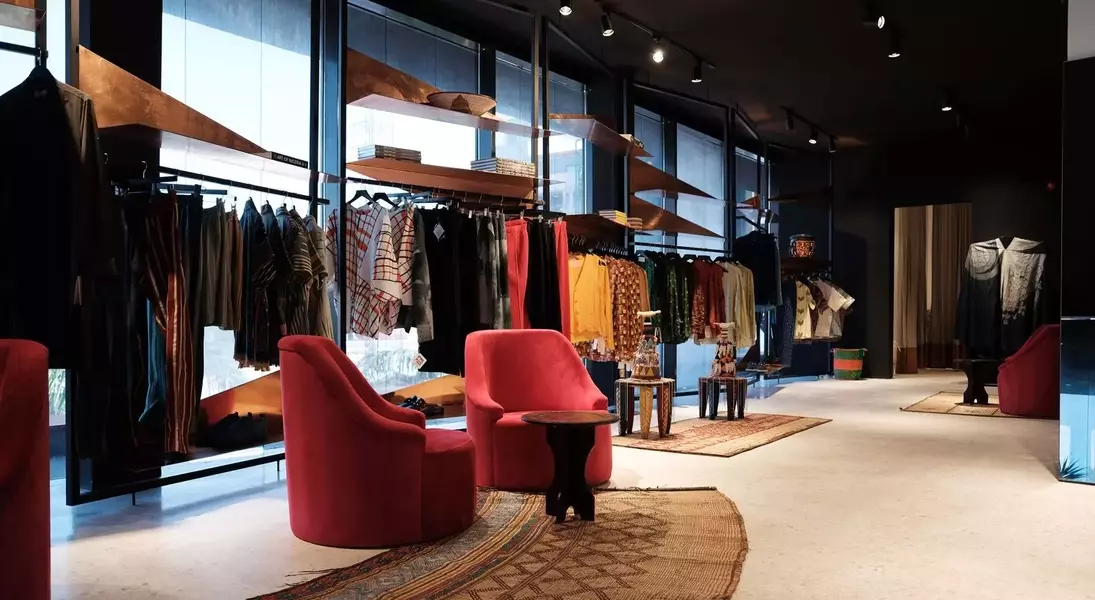
Reni Folawiyo, founder of Alara, a luxury boutique that curates a blend of local and international brands such as Cult Gaia, Neous, and Christian Louboutin, explains that previously, access to luxury items was often facilitated by travelers who would purchase goods abroad and bring them back to Lagos to sell at a premium. She notes that this practice has led some customers to mistakenly believe that purchasing an item directly from a luxury brand store in Lagos would inherently be more expensive. Folawiyo clarifies that many consumers are unaware that local retailers often cultivate relationships with international brands, enabling them to offer prices comparable to those found elsewhere globally.
Obayuwana asserts that if these factors—specifically, import processes and pricing structures—can be clarified and simplified, it would significantly enhance the attractiveness of the market for larger brands. He emphasizes that government-led initiatives and supportive policies will ultimately be the decisive factors in whether luxury brands can smoothly enter and establish a presence in the country.
Experts frequently point out that international brands often misinterpret the specific desires and needs of Nigerian consumers when entering the market, mistakenly believing there's a lack of interest in international products. Munira Isabelle Gobir, a fashion retail consultant based in Lagos, refutes this notion, stating that the opposite is true. She highlights that fashion is profoundly linked to identity in Nigeria, a concept taken very seriously by consumers. Image and social standing hold considerable importance for the Nigerian consumer. Gobir adds that the concept of 'quiet luxury' largely doesn't resonate here, as Nigerian consumers tend to favor recognizable luxury items that photograph well. She observes that certain categories from well-known international brands, such as designer handbags, premium footwear, and distinctive womenswear pieces, consistently perform well in the market.
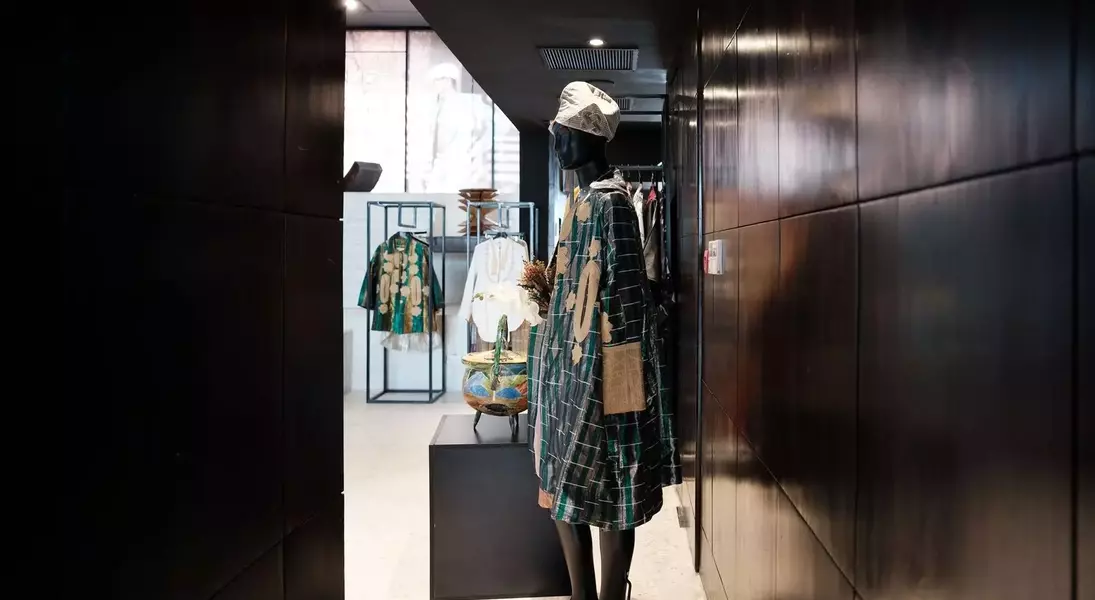
Folawiyo has noted a similar trend: for ready-to-wear garments, most consumers prefer local brands, but they complement these with international accessories. On the local front, Nigerian brands like Kilentar, Iamisigo, and Dye Lab have achieved success by offering innovative interpretations of traditional African craftsmanship and dyeing techniques, which remains highly valued by many local consumers. Whether it's classic tie-dye or a meticulously hand-beaded top, the preservation of culture and artisanal skill through fashion continues to be a priority for consumers.
Beyond the niche of quiet luxury, the products and brands that achieve popularity in Western markets often find similar traction in Nigeria. This phenomenon is largely attributable to Nigeria's youthful and highly engaged social media population, with approximately 70% of its inhabitants under the age of 30. Gobir emphasizes that Nigerians are acutely responsive to trends. She points out that the country ranks among the top five globally for social media consumption, profoundly influencing the daily lives and purchasing decisions of its citizens. Consumers in Nigeria are significantly swayed by influencers on platforms like TikTok and Instagram before making purchases. Additionally, social platforms such as WhatsApp and Instagram have evolved into crucial communication and sales channels, enabling brands to interact directly with consumers.
While consumers exhibit a strong desire for international luxury brands, the prevailing economic climate has compelled individuals across all socioeconomic strata to manage their expenditures more cautiously. Gobir explains that consumers are now more mindful of their spending habits, willing to pay a premium price but expecting a premium level of service in return. According to Rubab Abdoolla, a senior consultant at Euromonitor, in 2024, despite the challenging economic conditions in the country, the higher-income demographic was less impacted by inflationary pressures and continued to invest in premium apparel and footwear.
Certain periods of the year are notably busier than others, particularly from late October through January. This timeframe experiences a surge in foot traffic due to a series of significant events, including Lagos Fashion Week, Art X Lagos, film week, as well as the festive celebrations of Detty December, Christmas, and New Year’s.
The festive season presents numerous opportunities for international brands, driven by a considerable increase in tourism, though a substantial financial return is not always guaranteed. Eniafe Momodu, founder of Prism Creative, a research and production house based in Lagos, suggests that most major international fashion brands engaging in activities in Lagos are not solely motivated by financial gains. He distinguishes between financial value and cultural value, asserting that brands activating in Lagos, showcasing their presence, and conducting campaigns there do so because they recognize and believe in the city's profound cultural significance. Over time, these marketing initiatives could translate into financial value by enhancing a brand's overall perception and standing within Nigeria.
Momodu further elaborates, stating that the most compelling factor attracting an international fashion brand to a city like Lagos is its cultural prowess. Brands recognize the palpable energy that permeates the city, spanning music genres like Afrobeat, fashion, and film. This vibrant energy is precisely where brands should concentrate their efforts when entering the Nigerian market, experts unanimously agree. There's also a significant opportunity to engage with the country's burgeoning creative economy to cultivate deeper cultural relevance. Amusan highlights Lagos as the fashion capital, shaped by its dynamic music, sports, and nightlife scenes. She suggests that brands can collaborate with local talent—musicians, actors, and celebrities—to enhance their storytelling within the market. Amusan underscores the paramount importance of community in Lagos, where people seek genuine connection with brands. She acknowledges the critical role talent plays in unlocking and engaging an audience in Nigeria.
Folawiyo has strategically adapted Alara’s business model to navigate quieter periods by diversifying its offerings. She explains that in addition to retail, Alara operates a restaurant and an event space, actively hosting art events with a strong focus on culture and community. This multi-faceted approach serves as a mechanism to manage periods of reduced foot traffic. For instance, when the Alara retail store experiences lower activity, its restaurant, Nok, is bustling, ensuring a consistent flow of activity and revenue streams.
For Lagos's retail market to achieve a competitive standing comparable to other emerging economies, it is imperative for local governments to acknowledge the strategic importance of nurturing a thriving retail and hospitality sector. Such a sector would not only attract international stakeholders to the city but also stimulate local entrepreneurship and investment. Obayuwana emphasizes that robust infrastructure is not an accidental outcome but a product of deliberate design, and government policies will be instrumental in shaping this future. He asserts that these developments have the potential to significantly enhance the economic prosperity of Lagos State.
Over time, as an increasing number of brands extend their retail footprints into Lagos, experts anticipate that consumers will become more inclined to purchase luxury goods locally, free from concerns about inflated prices. Furthermore, there lies an opportunity for brands to introduce region-specific items, thereby incentivizing consumers to patronize local stores across the city.
Within the next one to two decades, some projections indicate that this Nigerian city will transition from an emerging market to an essential market. Gobir foresees Lagos potentially reaching the stature of South Africa’s Johannesburg or Cape Town, which are home to a diverse array of international luxury establishments, including Louis Vuitton and Gucci. He attributes this potential to the combination of affluent consumers, global cultural influence, and an existing unmet demand, which collectively create sustained value.
Euromonitor’s Abdoolla predicts that as the economy recovers, the confluence of population growth—particularly among young demographics—urbanization, and rising incomes is expected to fuel sales, enabling more consumers to afford new apparel and footwear. She specifically highlights that premium apparel and footwear are poised for significant growth, as the expanding base of middle and upper-income consumers increasingly views luxury clothing and shoes as vital for projecting a positive image and maintaining a stylish appearance.
The consensus among experts is to enter the market proactively, commencing with engaging marketing activations and temporary pop-up shops. This strategy aims to build brand awareness and consumer eagerness, positioning brands optimally for when the market reaches its peak potential.
