Circulose, a Swedish company dedicated to textile recycling, is demonstrating promising progress in strengthening the supply chain for recycled viscose, especially after the previous challenges faced by Renewcell. This development is particularly timely, as the sector for innovative materials has been experiencing fluctuating investor trust following several high-profile company failures.
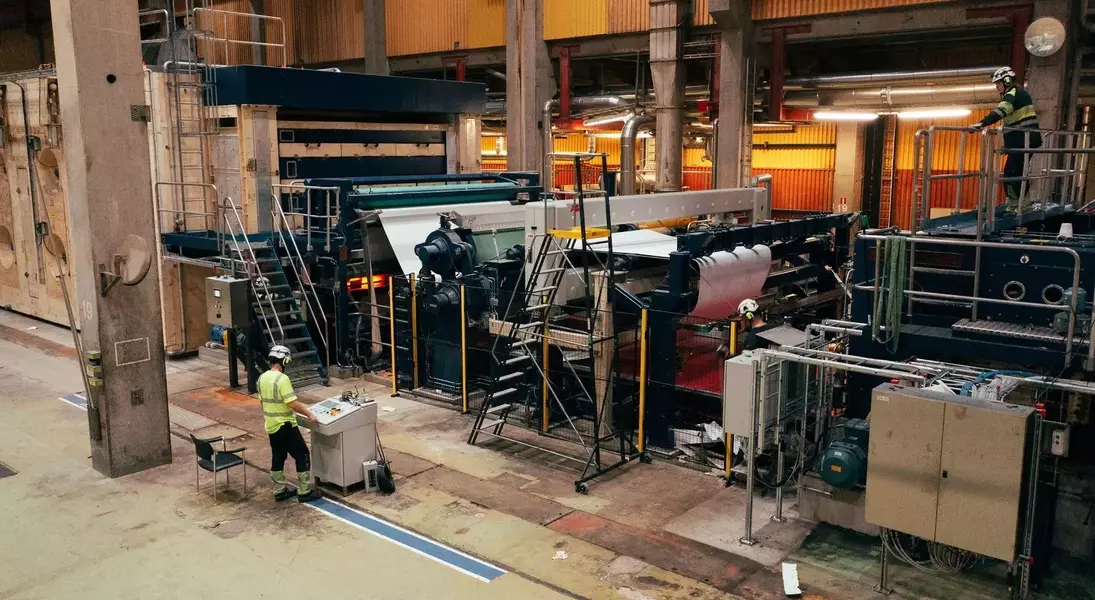
On Tuesday, Circulose announced significant multi-year collaborations with eight new retail entities, including prominent names such as Bestseller, John Lewis, C&A, and others. These agreements are pivotal for Circulose, bringing them considerably closer to reactivating their production facility, which has been inactive for the past two years. Renewcell had previously declared bankruptcy in February 2024, struggling with funding and brand commitment for its commercial-scale factory. Early pilot projects with brands did not advance, and the high cost hindered widespread adoption. Upon its acquisition and rebranding in June 2024, Circulose redirected its efforts from limited pilot initiatives to achieving broad industry integration. By November 2025, the company had already secured multi-year agreements with H&M, an original investor, along with fast-fashion giant Mango and Marks & Spencer.
Janmark views this latest series of partnerships as a significant achievement in Circulose's renewed journey, noting that the past year's strategic reorientation and intensive engagement with brands are yielding positive results. Despite this, the future remains complex due to shifts in sustainability priorities, including political resistance to environmental, social, and governance (ESG) principles and relaxed regulations in Europe. Furthermore, brands are under pressure to cut costs amidst supply chain disruptions, impacting the next-generation materials sector, as evidenced by the closures of several companies focusing on leather alternatives. Circulose, however, aims to overcome these hurdles by engaging with large-volume brands and transitioning to a new business model by January 2026, where Circulose will only be available to direct partners. This strategy involves a reduced price premium and an annual licensing fee for brands, which covers trademark use, operational support, communication, and marketing, thereby internalizing material costs and encouraging broader adoption of recycled materials across their main product lines.
Circulose is fundamentally transforming its role from a mere pulp supplier to a comprehensive solution provider, actively managing the entire value chain. This involves collaborating closely with various stakeholders, including viscose producers, to streamline processes and ensure the efficient integration of recycled pulp into finished garments, both in terms of cost and quality. The company's goal is to establish its product as a commodity, making green transition economically viable for all by avoiding excessive markups on sustainable items. While this integrated approach has faced some initial skepticism, the growing momentum from brands is converting doubters into supporters. The current focus is on securing sufficient demand to reopen the factory in late 2026 and eventually scale capacity from 60,000 to 120,000 tons annually, which would make the business profitable and allow for further expansion.
Circulose's strategic recalibration offers a beacon of hope, demonstrating that through innovative business models and a commitment to collaboration, the challenges of sustainable material adoption can be overcome. Their vision of transforming recycled fibers into mainstream commodities not only promises a more circular economy but also reinforces the idea that environmental responsibility and economic prosperity can harmoniously coexist. This forward-thinking approach underscores a powerful message: with dedication and strategic foresight, industries can navigate complex landscapes to achieve impactful, positive change, contributing to a more sustainable future for all.
