The year 2025 marked a significant transformation in the realm of brand promotion and consumer engagement. Gone were the days of superficial trends and chasing fleeting internet phenomena. Instead, a profound shift occurred, pushing brands to cultivate authentic connections and prioritize genuine interaction with their audience. This era emphasized substance, craftsmanship, and a renewed appreciation for curated experiences, fundamentally altering how products and services reached their target consumers.
Reimagining Brand Engagement: From Fleeting Trends to Enduring Connections
Beyond Fleeting Fads: The Quest for Genuine Brand Connection in 2025
As the year 2024 saw the rise of 'community' as a prevalent marketing term, 2025 witnessed brands actively translating this concept into tangible strategies. The focus moved past transient trends, such as micro-trends or mirroring online slang, recognizing that broad exposure without a resonant message ultimately led to ineffective outcomes. This paradigm shift encouraged marketers to seek out individuals who would genuinely connect with their brand ethos, rather than aiming for maximal reach on public feeds. The resulting marketing landscape was characterized by a renewed emphasis on meticulous craftsmanship, striking spectacles, imaginative escapism, controlled accessibility, and a growing consumer reluctance to be perceived as mere recipients in a sales pipeline.
Artistry Takes Center Stage: When Quality Outweighs Quantity in Consumer Value
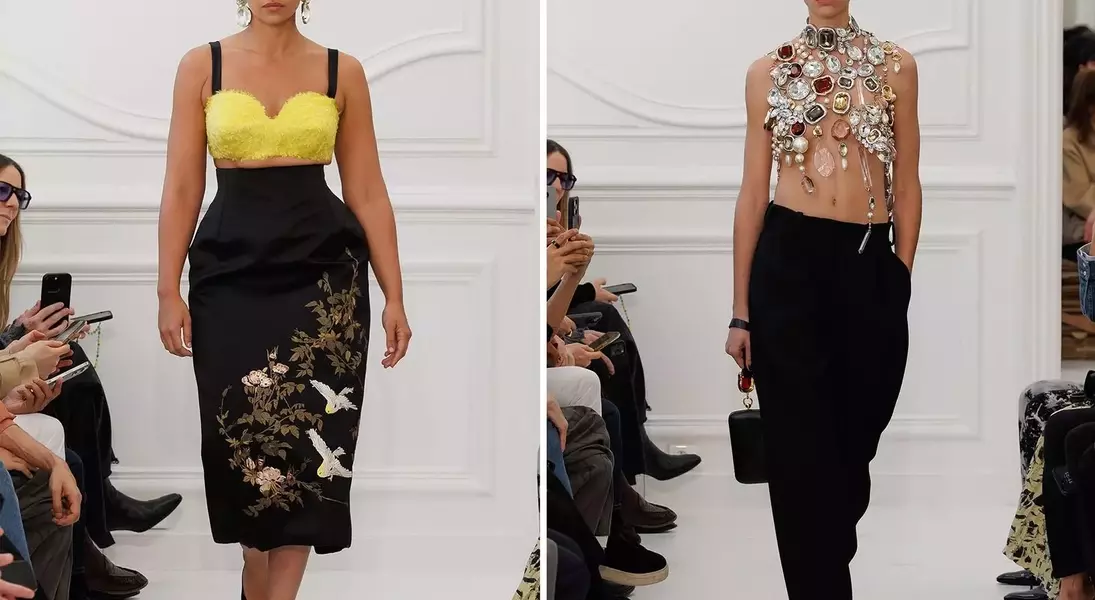
In 2025, amidst rising costs and consumers' increased scrutiny of product value, superior artistry became the most prized attribute in fashion. Exclusive data indicated a declining perception of luxury brands' desirability among younger generations, with a reduced willingness to pay a premium. This pressured the industry to validate its pricing through undeniable evidence of quality. Brands like Bottega Veneta championed this by showcasing artisans' hands in their campaigns, while Loewe celebrated its iconic bag with live demonstrations of its creation. Other companies thrived by transparently illustrating the journey of their products from conception to completion, highlighting the skilled individuals involved in the process. Experts noted that consumers now demand concrete proof of worth, meticulously researching products across various platforms. Without clearly communicating the value of craftsmanship, brands risked losing credibility to external critics and independent evaluators.
The Evolution of Influence: From Follower Counts to Curated Expertise
The year 2025 also heralded a new type of influential figure. The emphasis shifted from raw follower numbers to demonstrated expertise and the ability to curate authentic experiences. This change redefined the nature of sponsored content, as exemplified by a fashion critic's collaboration with a major retailer, focusing on campaign analysis rather than simply showcasing apparel. The rise of specialized writers and cultural commentators underscored a new form of influence rooted in insightful analysis and deep cultural understanding. In response, brands increasingly partnered with these new tastemakers, engaging them as guest editors or panelists in exclusive literary events. This move reflected a growing recognition that social capital, built on the capacity to convene and foster real-world connections, had surpassed online metrics as the ultimate measure of influence.
Authentic Connections: Brands Integrating into Grassroots Communities
Brands actively responded to this evolving landscape by integrating themselves into genuine communities, moving beyond superficial online engagement. Performance-oriented brands continued to experience significant success through grassroots initiatives, such as running clubs. A Manchester-based apparel label, for instance, eschewed conventional sportswear marketing to embed itself within emerging fitness ecosystems. This strategic shift demonstrated a commitment to fostering authentic, in-person interactions, recognizing the power of real-world community building in an increasingly digital world.
The Allure of the Unreal: Embracing Spectacle and Fantasy in a Complex World
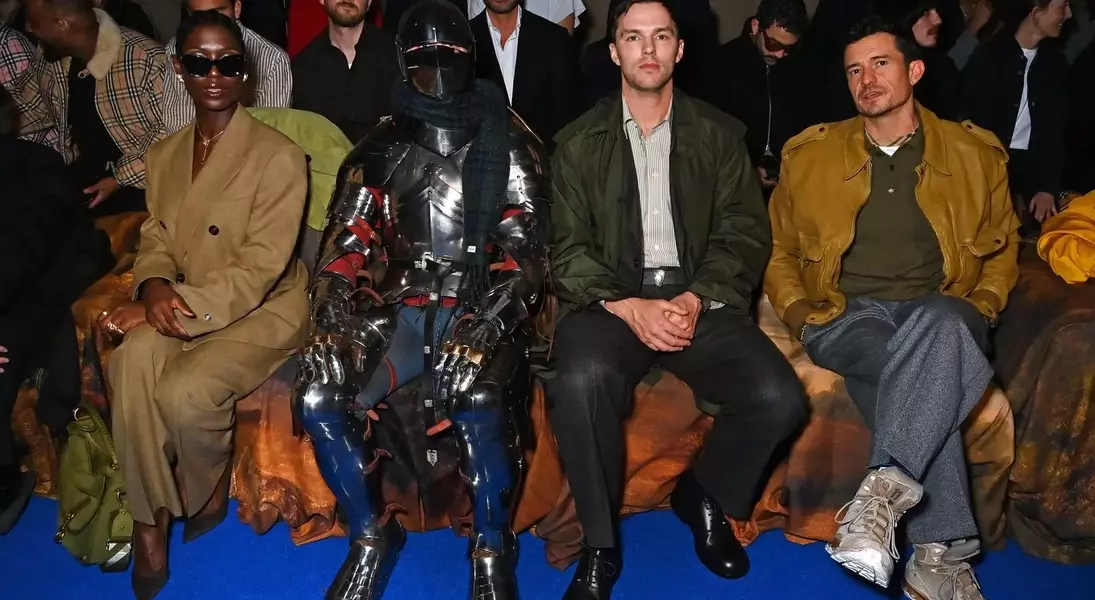
Facing global digital scrutiny, economic uncertainty, and geopolitical tensions, consumers in 2025 sought solace in imaginative escapes. The previous years' trend of highly relatable, "just like me" marketing appeared to wane, replaced by a desire for grand, immersive experiences that transcended everyday reality. A beauty brand pioneered this shift with a viral mid-ocean air-drop, designed to captivate audiences and break through digital fatigue. Fashion runways also embraced theatricality, with designers presenting shows in surreal, evocative settings that echoed the grandeur of earlier fashion eras, complete with costumed characters in the front row. Brand campaigns similarly reflected this trend, pushing the boundaries of realism by featuring daring acts performed by real individuals, resonating deeply with audiences in an age where AI could easily generate artificial versions of such feats.
The Resurgence of Exclusivity: Curated Access in a Hyper-Transparent Era
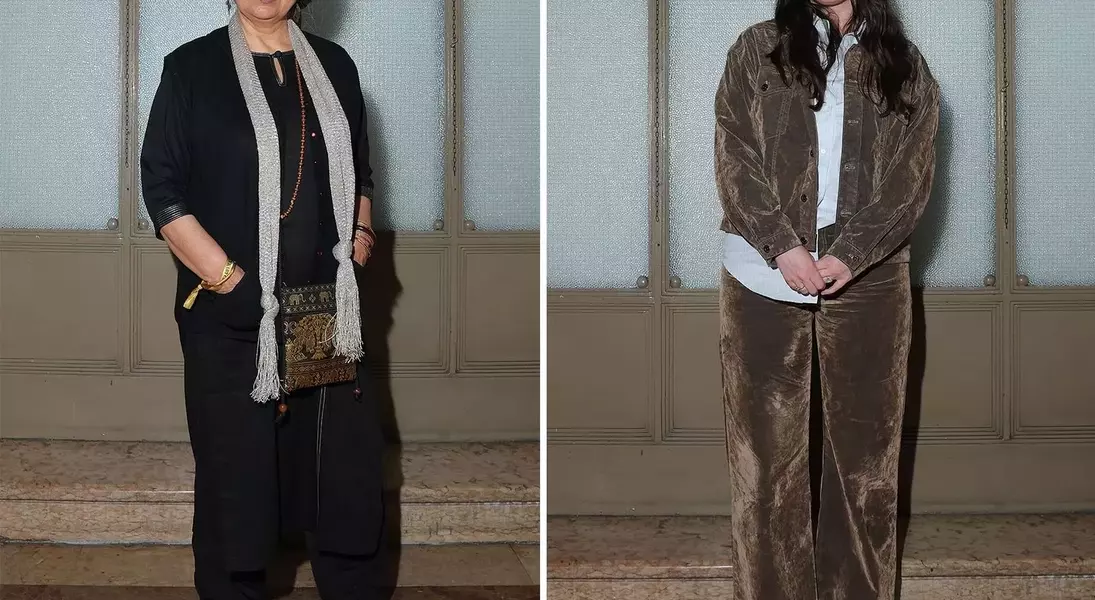
After a decade where unrestricted access was the norm, 2025 marked a return to the appeal of exclusivity. Consumers increasingly rejected the idea that everything should be universally available or optimized for broad social media reach, instead valuing discoveries that felt earned and privileged. This altered how brands communicated, shifting from mass broadcasting to engaging smaller, more dedicated groups. Luxury houses experimented with private communication channels for select creators, sharing exclusive content and early designs. Invitations to high-fashion events became more exclusive, with significantly reduced guest lists, creating a heightened sense of prestige and desirability. Cultural initiatives, such as magazines and book clubs, were established as exclusive ecosystems designed for a select few, further reinforcing the notion of curated access.
The Rise of "Dark Retail": Intimate Commerce and Earned Discovery
Simultaneously, commerce began migrating to more private channels, a trend dubbed "dark retail." Transactions increasingly occurred through direct messages, private group chats, and exclusive sourcing networks, offering a level of intimacy and human connection that algorithms could not replicate. This shift provided consumers with the feeling of earned discovery, as they actively sought out unique items through resale platforms, vintage shops, and recommendations from niche creators. Research highlighted this preference, showing that consumers consulted comment sections more frequently than brand profiles before making purchases, indicating a desire for authentic, peer-driven insights. In this environment, brands that prioritized building trust and genuine connections, rather than simply optimizing for algorithms, were the ones that truly prospered.
