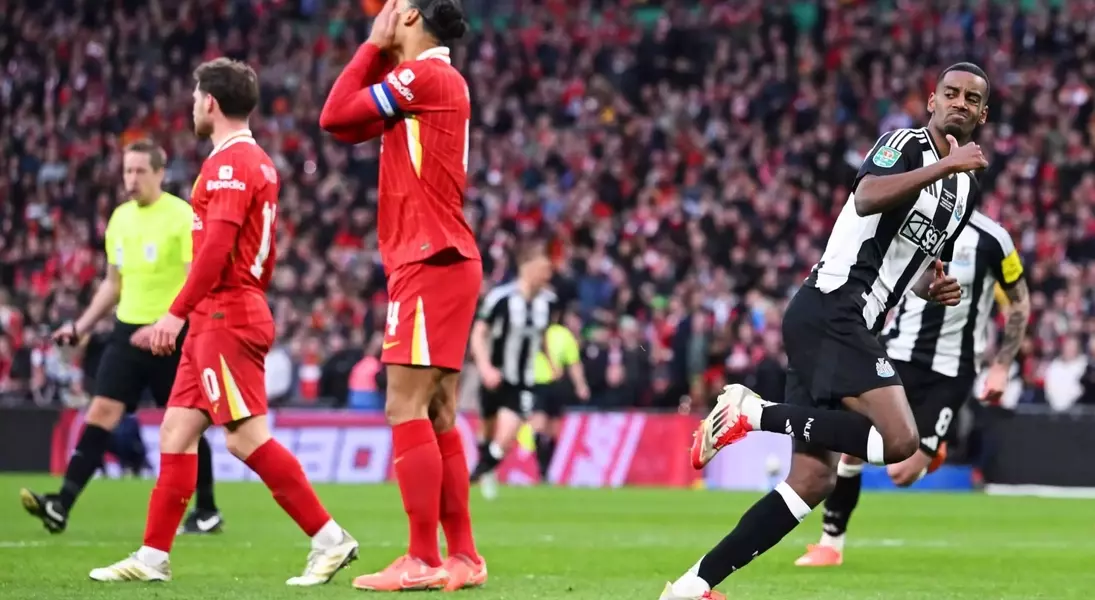

Liverpool's recent financial outlays in the transfer market have certainly raised eyebrows, especially considering their strong domestic performance in the preceding season. However, this apparent spending spree is underpinned by a meticulous financial strategy that leverages strong profitability and sustainability metrics, alongside shrewd player trading. The club's ability to commit substantial funds to new acquisitions, including the potential blockbuster signing of Alexander Isak, is not a reckless gamble but rather a calculated move made possible by a healthy balance sheet, prudent management of transfer debts, and a strategic approach to player sales that generates significant in-year profits. This nuanced financial engineering allows Liverpool to pursue ambitious sporting objectives while adhering to regulatory frameworks.
The club's financial robustness is evident in its Premier League Profitability and Sustainability Rules (PSR) standing. Despite a reported pre-tax loss in 2023-24, Liverpool's underlying financial health is strong due to the rolling three-year assessment period for PSR. They have consistently delivered profitable results in previous years, which provides considerable headroom for future investments. Additionally, the club benefits from significant 'allowable costs' deductions, such as youth development and women's team expenditures, further reducing their PSR loss figures. This strategic positioning means Liverpool can absorb substantial spending in the current period without immediate PSR concerns, providing flexibility for strategic investments in the squad.
Beyond PSR, Liverpool's formidable cash reserves play a crucial role. The club's net transfer debt has historically been among the lowest in the Premier League's 'big six,' indicating a healthy cash flow and limited historical commitments. Recent infrastructure investments, like the Anfield Road End completion, have also freed up significant capital. Furthermore, an extended revolving credit facility and projected record revenues exceeding £700 million in 2024-25 solidify their strong liquidity. This combination of low debt and high cash availability positions Liverpool uniquely to be highly active in the transfer market, enabling immediate and substantial outlays for top-tier talent.
Liverpool's capacity to finance a move for a player of Isak's caliber, with an estimated price tag potentially reaching £150 million, is further bolstered by their adeptness in player trading. The significant profits generated from recent player sales, such as Luis Diaz, Jarrell Quansah, Trent Alexander-Arnold, Nat Phillips, and Caoimhin Kelleher, are immediately booked as profit, substantially offsetting the amortization costs of new signings. For instance, the sale of Diaz alone generated a substantial profit due to his low book value. These player sales not only inject immediate cash but also improve the club's financial bottom line for both domestic and European PSR calculations, creating a virtuous cycle of investment and return.
While new signings, including Florian Wirtz, Hugo Ekitike, Milos Kerkez, Jeremie Frimpong, and Giorgi Mamardashvili, represent a collective commitment of over £500 million when accounting for transfer fees and long-term wages, the financial impact for the current season is largely mitigated by these shrewd player sales. The club's current fiscal year, which factors in a portion of new player costs and the entirety of player sale profits, is projected to show a net financial profit from transfer activities. This seemingly counterintuitive outcome underscores Liverpool's sophisticated financial management, where strategic departures effectively finance ambitious arrivals, ensuring compliance with financial regulations and maintaining a strong competitive edge.
Looking ahead, while the immediate financial picture is robust, the long-term implications of these substantial annual costs, particularly if Isak joins, will necessitate continued strategic planning. The significant increase in annual expenditure, potentially rising to over £160 million with Isak's inclusion, will require ongoing revenue growth, further player sales, or cost-cutting measures in future windows. However, with contracts for high-earning players like Virgil van Dijk and Mohamed Salah expiring in the coming years, their potential departures or renegotiations could provide significant wage bill relief, further demonstrating Liverpool's foresight in managing future financial commitments and maintaining fiscal equilibrium.
