This analysis explores the intricate ways top-tier English football clubs manage and reinvest substantial earnings from the sale of star players. It delves into a series of high-profile transfers, revealing diverse approaches to financial windfalls and their subsequent impact on team development and performance. The contrasting outcomes observed across various clubs underscore the critical importance of strategic decision-making in the transfer market.
Premier League Clubs' Reinvestment Strategies: A Detailed Examination
In the vibrant world of the Premier League, the transfer market frequently witnesses colossal sums exchanged for elite talent. When a marquee player departs for a significant fee, the selling club faces the pivotal challenge of effectively reinvesting those funds. This often determines their future competitiveness.
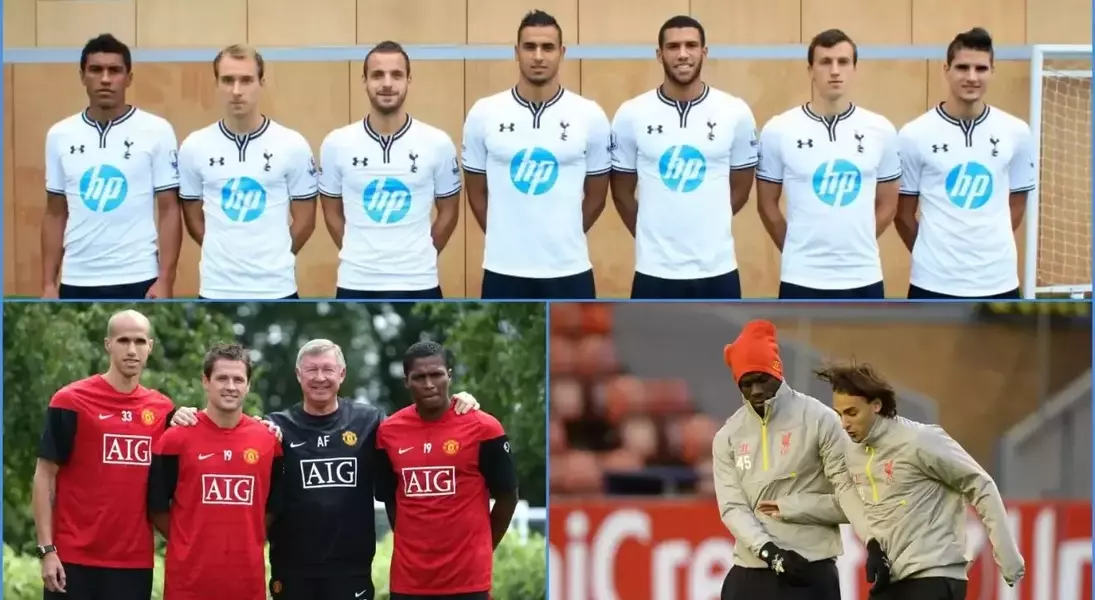
Consider the case of Chelsea following the departure of their creative maestro, Eden Hazard, for an astounding £143 million. Despite a transfer embargo initially limiting their immediate spending, the subsequent recruitment drive, which saw the arrival of players like Kai Havertz and Timo Werner, yielded mixed results, demonstrating the complexities of integrating new talent. Similarly, Tottenham's strategy after Gareth Bale's £85.3 million move to Real Madrid involved acquiring a 'Magnificent Seven' of players. While some, like Christian Eriksen, proved to be notable successes, others struggled to make a lasting impact, illustrating the unpredictability inherent in transfer dealings.
In stark contrast, Liverpool's astute management of the £142 million received for Philippe Coutinho stands out as a masterclass. Their swift and impactful acquisitions of key figures such as Virgil van Dijk and Alisson Becker transformed their defensive and goalkeeping capabilities, directly contributing to their triumphant campaigns in both the Champions League and the Premier League. This strategic success highlights the importance of targeted, high-quality investments rather than merely accumulating numerous players.
Brighton & Hove Albion, renowned for their shrewd transfer dealings, exemplified their prowess after selling Moises Caicedo for an initial £100 million. Even before the full sum was secured, the club was already identifying and onboarding promising replacements, ensuring a smooth transition and continued squad strength. This proactive approach allowed them to absorb a significant departure while maintaining their competitive edge.
However, not all stories are of successful reinvestment. Manchester United's period following Cristiano Ronaldo's £80 million transfer saw them make a series of less impactful signings. Similarly, Leicester City's substantial earnings from the sale of Harry Maguire, while spread across various new players, did not prevent a subsequent decline in performance, ultimately leading to their relegation.
These instances underscore that while a large transfer fee offers immense financial power, it is the strategic acumen in resource allocation and player identification that truly defines a club's ability to thrive in the aftermath of a major player sale. The contrasting fortunes of these clubs serve as compelling case studies in the high-stakes world of professional football transfers.
From a journalist's perspective, these transfer sagas are more than just financial transactions; they are narratives of ambition, strategy, and risk. The contrasting outcomes—from Liverpool's brilliant reinvestment to others' struggles—underscore that money alone does not guarantee success. It's the vision, the scouting network, and the ability to seamlessly integrate new talent that truly shape a club's destiny. This ongoing dance between financial power and strategic execution will continue to be a fascinating aspect of modern football, offering endless lessons for both fans and industry professionals alike.
