This analysis delves into the contrasting levels of power and influence held by player unions in global football compared to those in major American professional sports. It seeks to unravel the underlying reasons for this disparity, examining the structural differences in governance, market dynamics, and collective bargaining capabilities that define these athletic landscapes.
Empowering Athletes: A Quest for Collective Influence in Global Football
The Mounting Frustration of Football's Player Advocates
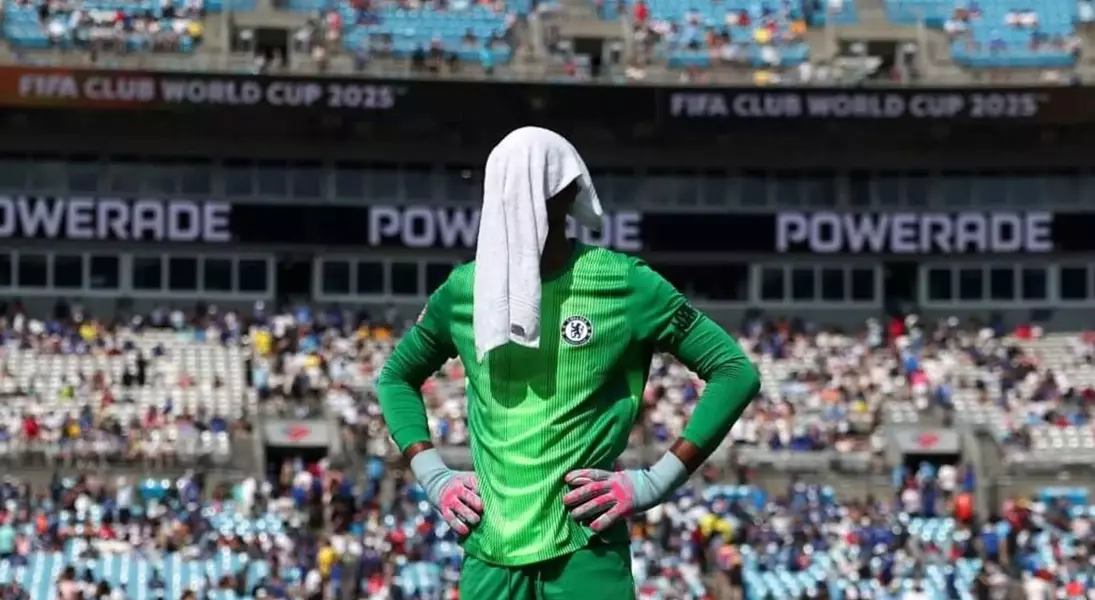
The president of the global players' union, FIFPro, Sergio Marchi, recently voiced sharp criticism regarding the burgeoning international football schedule and the escalating demands placed on athletes. His impassioned statements during the Club World Cup highlighted FIFA's unilateral decision-making, accusing the organization of disregarding player well-being in its pursuit of grand spectacles. This rhetoric underscores a persistent challenge for FIFPro: converting their advocacy into tangible policy changes within football's power structures.
Governing Bodies and the Challenge to Union Authority
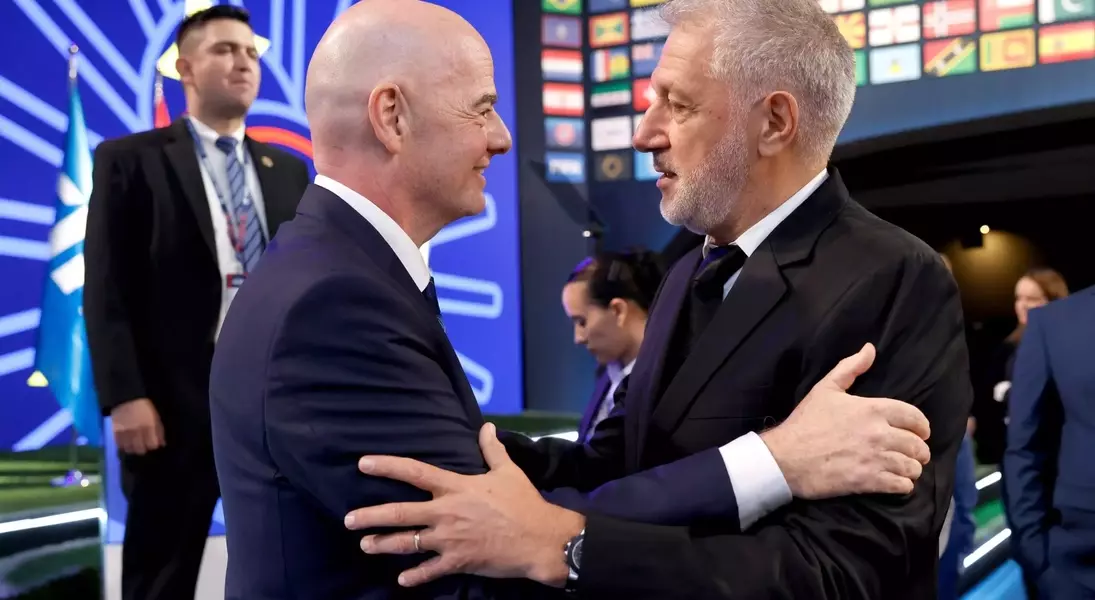
Alex Phillips, FIFPro's secretary general, points to FIFA's self-governing model, where federations and leagues often resist union influence, viewing it as a challenge to their authority. A recent incident where FIFA excluded FIFPro from a crucial meeting on the football calendar, while inviting less representative player groups, exemplifies this perceived lack of transparency and genuine engagement. Despite FIFA's subsequent announcements about player rest periods, the practical implementation remains largely at the discretion of individual clubs, further diminishing the union's impact.
The Autocratic Tendencies of Football's Leadership
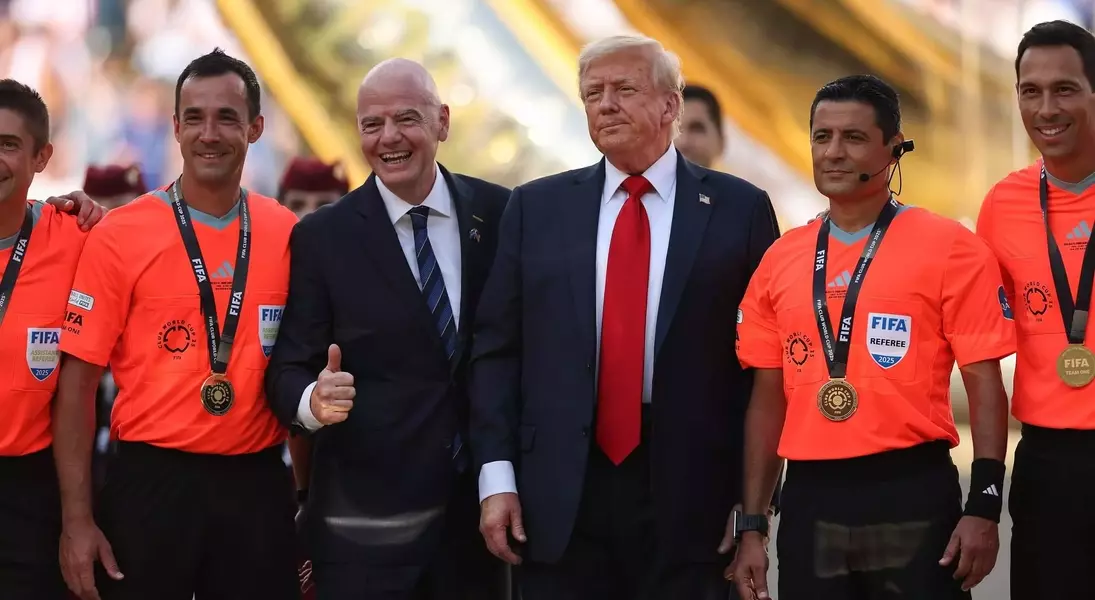
Marchi attributes FIFPro's struggles to the FIFA president's leadership style, describing it as autocratic and disconnected from the needs of players worldwide. He argues that the focus on commercial events overshadows player welfare, treating athletes merely as tools for entertainment rather than essential stakeholders. While FIFA has publicly expressed disappointment with FIFPro's confrontational approach, they also acknowledge past efforts to engage with the union, signaling a complex and often strained relationship between the governing body and player representatives.
A Stark Contrast: Player Power in American Sports
The landscape of player unions in American sports offers a stark contrast. Here, collective bargaining agreements (CBAs) are fundamental, dictating terms between leagues and player associations. The power of these unions is so profound that disagreements over CBAs, particularly regarding salary caps, have frequently led to strikes or lockouts, disrupting entire seasons. This leverage stems from the closed-market nature of U.S. sports, where elite competition is centralized within a single country, granting player unions immense bargaining power.
Market Structures: Open vs. Closed Systems
Maheta Molango, chief executive of the Professional Footballers' Association in the UK, highlights the core difference: football operates in an open global market, unlike the closed systems of American sports. This open market, with numerous independent stakeholders—leagues, confederations, and international bodies—all vying for control over players, whom he refers to as 'assets,' fragments union power. Each entity adds more games to an already congested schedule, making it exceptionally difficult for unions to prevent player overload.
The Elusive Nature of Widespread Industrial Action
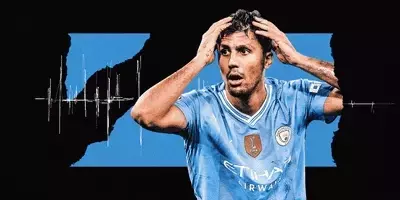
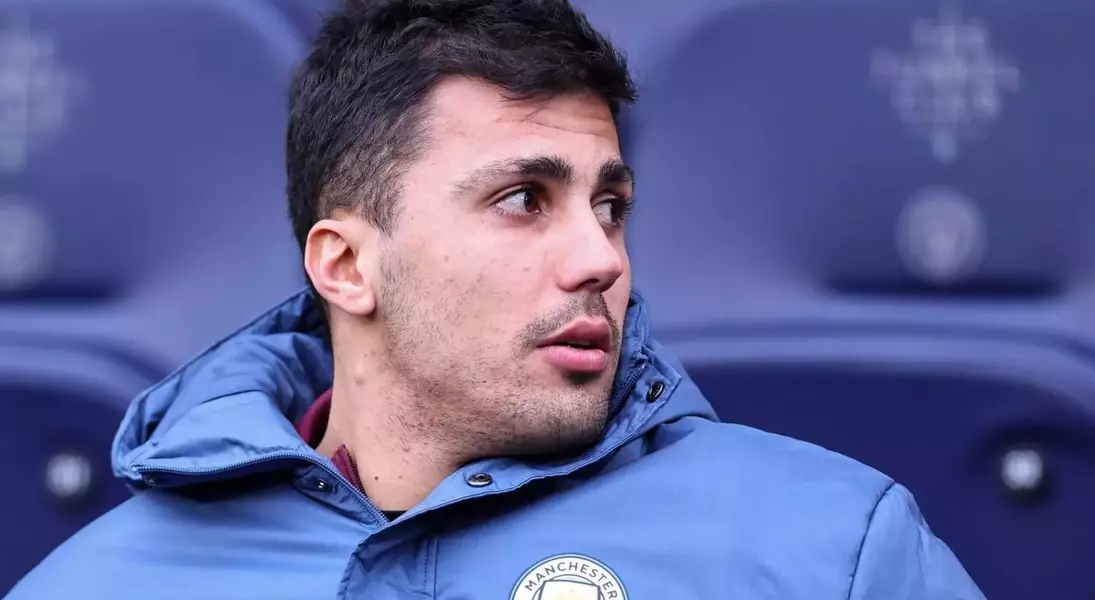
Despite growing concerns over player burnout, large-scale industrial action, such as strikes, remains incredibly difficult to orchestrate in football. The complexities of navigating diverse labor laws across multiple countries, coupled with the challenge of uniting players behind a single cause, present formidable obstacles. While individual players, like Rodri, have voiced the possibility of strikes due to excessive demands, a truly international stoppage to compel FIFA to make significant concessions is yet to materialize, partly because FIFPro's membership structure involves national unions, not individual players, limiting its direct call for strikes.
Seeking Influence: Beyond Confrontation
While some advocate for a more confrontational stance from unions, the prevailing sentiment is that strikes should be a last resort. Phillips emphasizes FIFPro's desire for genuine decision-making power at the highest levels of football governance. They aim for a seat at the table with veto power on issues directly affecting player rights, mirroring the collaborative negotiation models seen in U.S. sports. Achieving this equitable representation, however, seems a distant goal, suggesting a prolonged struggle for football's player unions to truly assert their influence.
