When cherished products are phased out, consumers go to extraordinary lengths to secure their beloved items. From classic beverages to iconic makeup shades, the quest for discontinued goods reveals a deep emotional connection between people and their favorite brands.
Rediscover Your Timeless Treasures Before They Vanish Forever
The Emotional Bond with Iconic Products
In today’s fast-paced consumer world, certain products transcend mere utility to become symbols of personal identity. For Elizabeth Spiridakis Olson, a freelance creative director based in South Orange, New Jersey, one such item was a matte lip pencil by NARS named Dragon Girl. This particular shade of red held a special place in her heart. She described it as "one of the great reds" with an impeccable consistency that made it indispensable. For over 15 years, Ms. Spiridakis Olson relied on this lip pencil daily, keeping one at home and another in her handbag. Its loss wasn’t just about replacing a cosmetic; it represented a break from a long-standing ritual. When she discovered that Dragon Girl was no longer available at Sephora, panic set in. The new alternative, Powermatte High Intensity Long Lasting Lip Pencil, simply didn’t measure up. The subtle differences in shade and texture were enough to make her feel like something vital had been taken away.Navigating the Aftermath of Discontinuation
The realization that a beloved product is being phased out can trigger a range of emotions—from nostalgia to frustration. In Ms. Spiridakis Olson’s case, the discovery led her to take immediate action. She rushed to the NARS website, where Dragon Girl was listed as part of a final sale. Without hesitation, she purchased every available unit. Her strategy ensured that she would have enough to last for years. While practicality might suggest storing these precious items under optimal conditions, Ms. Spiridakis Olson admits that hers are tucked away under the kitchen sink. Despite this unconventional storage method, the significance of these lip pencils remains undiminished. The pigmented quality means they require minimal reapplication, making them a long-lasting investment. Yet, the deeper meaning lies in the assurance that a piece of her past will remain intact.The Broader Impact of Product Discontinuation
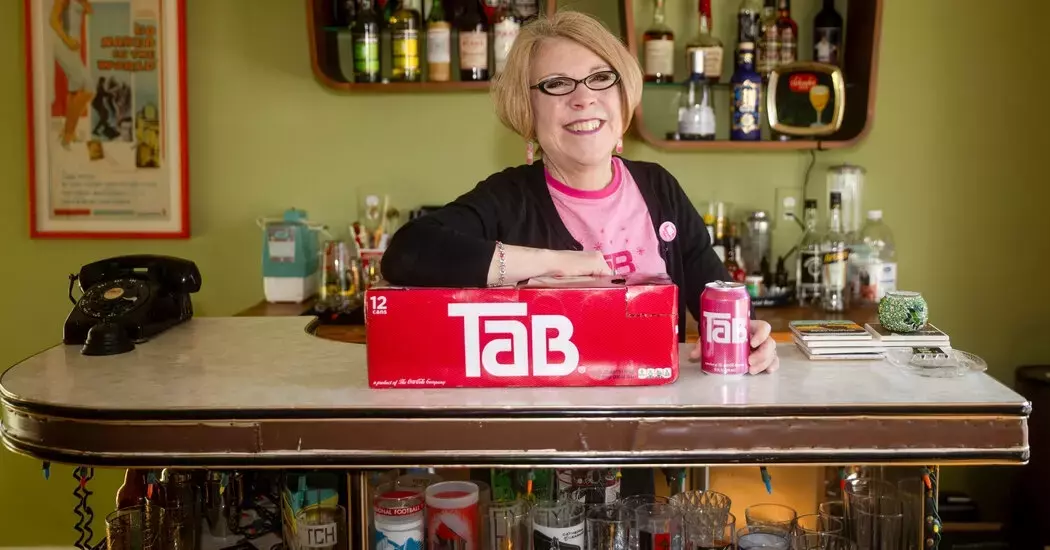
The phenomenon of consumers stockpiling discontinued items isn’t limited to cosmetics. It extends across various industries, reflecting a broader cultural trend. Take, for instance, the soft drink Tab, which once enjoyed immense popularity but eventually faced discontinuation. Fans of the beverage found themselves scouring online marketplaces, willing to pay premium prices for a taste of nostalgia. This behavior underscores a fundamental truth about consumer loyalty: when a product resonates deeply, its discontinuation can feel like losing a trusted companion. The lengths to which people go to preserve these connections reveal much about the value we place on continuity and familiarity. Whether it’s a lip pencil or a soda, the pursuit of discontinued favorites speaks to our desire to hold onto moments that define us.The Future of Consumer Loyalty in a Changing Market
As brands continue to evolve, the challenge of maintaining consumer loyalty becomes increasingly complex. Companies must balance innovation with the preservation of beloved products. For some, this means reintroducing classics in limited editions or through special releases. Others may explore ways to engage customers through storytelling and community building, fostering a sense of belonging around the brand.In the end, the story of discontinued items like Dragon Girl and Tab serves as a reminder of the emotional ties that bind us to the products we love. These stories highlight the importance of understanding consumer needs beyond mere functionality. As markets shift and trends change, the enduring appeal of these items suggests that there’s more to commerce than transactions—they represent a shared history and a lasting legacy.You May Like