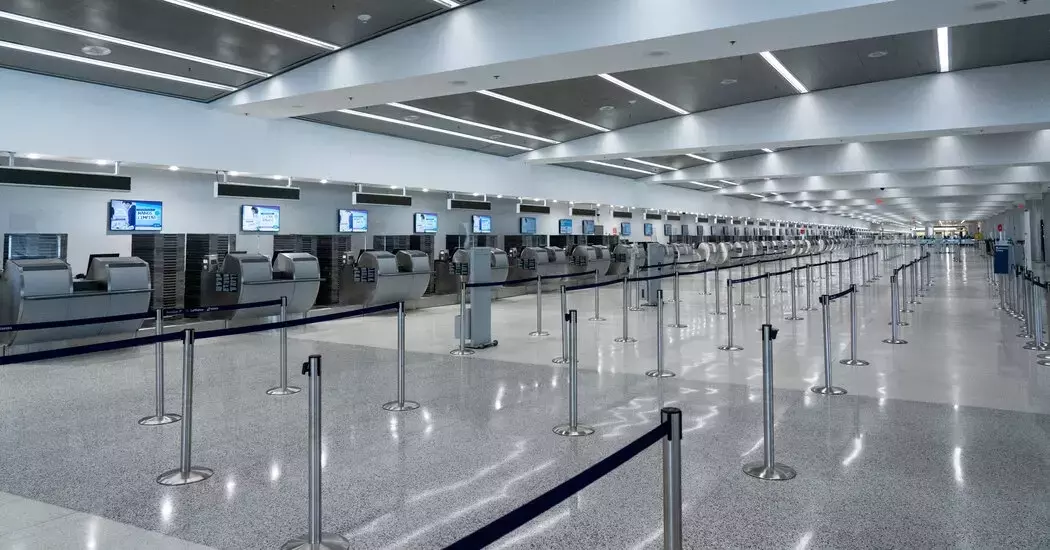
When the world came to a standstill in early 2020, travel as we knew it ceased. The abrupt halt and subsequent resurgence have left an indelible mark on how travelers navigate the globe today.
Discover How Travel Has Evolved Post-Pandemic: A Journey Through Change
From Closure to Reopening: The Initial Shock
The announcement by the World Health Organization in March 2020 marked the beginning of unprecedented times. Within days, countries worldwide began implementing stringent measures to curb the spread of the virus. Borders closed, flights were grounded, and nonessential travel came to a grinding halt. In the United States, state governors issued stay-at-home orders, while Europe barred all nonessential travel from outside the bloc. Cruise ships, once symbols of luxury and adventure, received no-sail orders. The tourism industry faced its darkest hour, with uncertainty looming over every corner.Travelers found themselves stranded or forced to cancel long-awaited trips. Businesses reliant on tourism suffered immense losses. Yet, this period also brought moments of reflection. People reconnected with their local surroundings, discovering hidden gems within their own communities. The pause allowed destinations to breathe, offering a rare opportunity for environmental recovery. As the world held its breath, anticipation built for what would come next.The Surge of Revenge Travel: Making Up for Lost Time
As vaccines became widely available in spring 2021, the travel industry saw a remarkable rebound. Masks became mandatory on planes and in transportation hubs, symbolizing the new normal. Travelers, eager to reclaim lost time, embarked on what became known as "revenge travel." Destinations previously off-limits now welcomed visitors with open arms. Venice, Iceland, Barcelona, and Dubrovnik experienced a flood of tourists, transforming from quiet havens to bustling hot spots.This surge was not without challenges. Overtourism quickly became a pressing issue. Popular destinations struggled to manage the influx, leading to overcrowded streets and strained resources. Local residents voiced concerns about the impact on their daily lives. In response, authorities introduced restrictions and fees to regulate visitor numbers. The delicate balance between economic benefits and preserving cultural heritage became a focal point of debate. Travelers had to adapt, embracing more sustainable practices and exploring lesser-known alternatives.A New Era of Travel: Adaptation and Innovation
The last five years have been nothing short of a roller coaster ride for the travel industry. What started as a period of uncertainty has evolved into an era of innovation and adaptation. Travel companies have embraced technology, offering virtual tours and enhanced safety protocols. Digital nomads emerged as a growing trend, leveraging remote work opportunities to explore the world at their own pace. The concept of travel itself has shifted. No longer just about ticking off bucket lists, it has become a pursuit of meaningful experiences. Travelers seek deeper connections with the places they visit, prioritizing authenticity over superficial attractions. Sustainability has taken center stage, with eco-friendly accommodations and responsible tourism gaining popularity. This transformation reflects a broader societal shift towards mindfulness and conscious living.Personal Reflections: Shaping Future Journeys
The pandemic's impact extends beyond industry trends; it has profoundly influenced individual perspectives on travel. Many have reevaluated their priorities, placing greater emphasis on health and well-being. The desire to reconnect with loved ones and create lasting memories has surged. Travel has become a means of personal growth, offering opportunities for self-discovery and resilience.In sharing these reflections, travelers contribute to a collective narrative that shapes the future of the industry. Their stories highlight the importance of adaptability and empathy in navigating an ever-changing world. As we move forward, the lessons learned during this period will continue to influence how we approach travel, fostering a more thoughtful and inclusive approach to exploration.