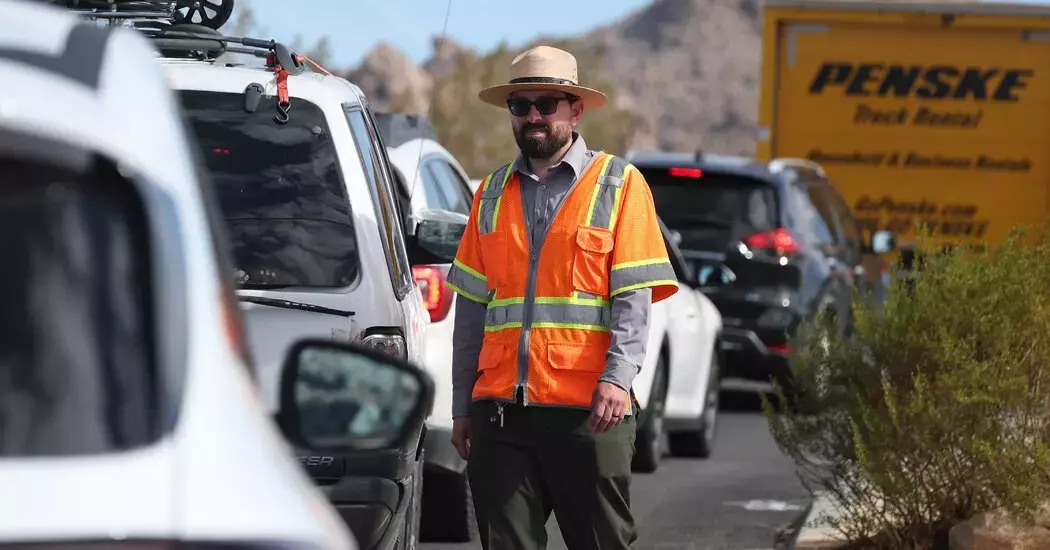
Amidst the sudden termination of a significant number of employees from national parks and related services, concerns are growing about the future of park operations. At least 1,000 permanent National Park Service workers lost their jobs on February 14, while an additional 3,000 were dismissed from the U.S. Forest Service. This abrupt change has left thousands of seasonal workers uncertain about their employment status. With spring break and summer travel plans looming, many worry about the impact on visitor experiences at these beloved natural sites. The staffing cuts come at a time when the parks have already been struggling to meet the demands of over 325 million annual visitors.
Details of the Staffing Crisis
In the heart of winter, a wave of uncertainty swept through America's national parks. On February 14, the National Park Service (NPS) abruptly let go of at least 1,000 full-time staff members. This unexpected move sent shockwaves through social media, where former employees shared their stories under hashtags that quickly trended. Concurrently, the U.S. Forest Service parted ways with approximately 3,000 employees, further intensifying the crisis. Meanwhile, thousands of seasonal workers, who usually bolster the ranks during peak tourist seasons, found themselves in limbo, despite official approval for 7,700 temporary positions.
The timing could not be worse. As families begin planning their spring and summer excursions, the reduced workforce is raising concerns about service quality. Already, some parks are feeling the strain. Carlsbad Caverns, for instance, has canceled ranger-led cave tours due to insufficient staff. Similarly, the Grand Canyon has seen a drop in revenue because of fewer fee collectors. In Colorado, Florissant Fossil Beds National Monument will remain closed on Mondays and Tuesdays due to understaffing.
For many, this crisis highlights the ongoing challenges faced by the NPS. Over the past decade, the total number of full-time employees has decreased by 15%, making it increasingly difficult to maintain the high standards visitors expect. Kristen Brengel, a senior vice president at the National Parks Conservation Association, advises travelers to reconsider their plans, suggesting that a better experience might await them next year if conditions improve.
This staffing turmoil underscores the broader issues facing public land management in the United States. The parks, which cover over 85 million acres across 433 sites, are vital to both tourism and conservation efforts. Yet, without adequate staffing, these treasures may struggle to provide the enriching experiences they are known for.
From a journalist’s perspective, this situation serves as a stark reminder of the delicate balance between maintaining public services and managing resources. It calls into question the sustainability of current policies and the need for more robust support for our national parks. Visitors and advocates alike must now hope for swift action to restore stability and ensure these iconic landscapes remain accessible and well-maintained for future generations.
