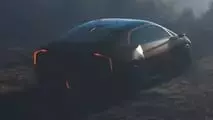
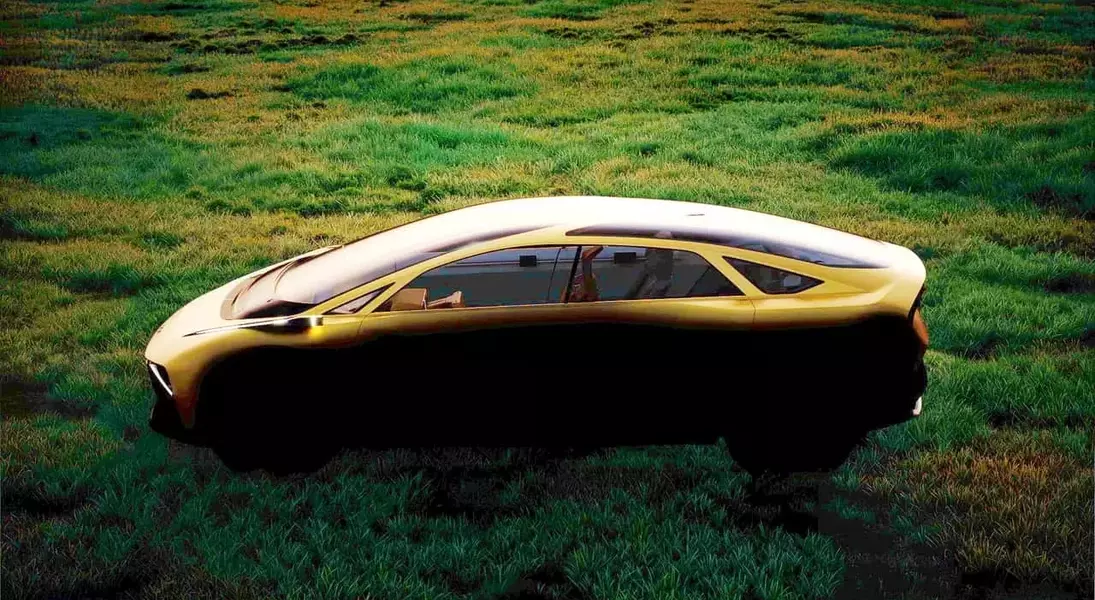

Kia is hinting at a future electric grand tourer, potentially serving as the spiritual successor to its Stinger model. Teaser images reveal a sleek concept with an aerodynamically optimized silhouette, indicating a dramatic shift towards electric power in the luxury performance segment. This vehicle, for now simply dubbed 'The Kia Concept,' showcases design elements that set it apart from previous electric offerings, emphasizing both style and efficiency. The automotive world eagerly awaits more details on this intriguing proposition, which could reshape expectations for electric grand touring vehicles.
Reports suggest that Kia is on the verge of revealing a new concept vehicle that may herald the return of a high-performance grand tourer, albeit in an all-electric format. Following the discontinuation of the V-6 powered Stinger in 2023, speculation arose about an electric replacement, and these recently released teaser images lend credence to those rumors. The 'GT1' as it's informally known, appears to be an elegant, non-combustion-engine vehicle, with a design language distinct from Kia's current EV offerings, signaling a bold new direction for the brand's performance division.
The Evolution of Kia's Electric Design Language
The new concept from Kia is a powerful statement about the brand's future design philosophy, particularly as it pivots further into the electric vehicle market. Unlike the more angular aesthetic of the EV4, this concept showcases a significantly more aerodynamic profile, characterized by its dramatically sloping roofline. This design choice, which may incorporate a practical tailgate rather than a traditional trunk, not only enhances visual appeal but also improves efficiency, a critical factor for electric vehicles. While the overall shape carries echoes of the beloved Stinger, the detailed styling cues and modern flourishes ensure it stands distinctly as a new generation vehicle. The bulging fenders and unique LED headlights, which extend from the body into the side camera pillars, further underscore Kia's commitment to pushing aesthetic boundaries in its electric lineup. These features hint at a vehicle that is not only visually striking but also technologically advanced, aligning with contemporary automotive trends and consumer expectations for innovative EV design.
While Kia has remained tight-lipped regarding the explicit link between this new concept and a direct Stinger successor, the design cues strongly suggest a high-performance electric grand tourer. The vehicle’s markedly sloped roofline and sleek overall form hint at a design philosophy prioritizing aerodynamic efficiency, distinguishing it from other electric models like the EV4. This concept's silhouette evokes the sporty essence of the Stinger, yet it embraces Kia's evolved design language, promising a fresh and edgy aesthetic. The prominent bulging fenders and the distinctive LED lighting that extends into the side camera housings highlight an innovative approach to both form and function. Although it's premature to confirm if this will be a direct competitor to vehicles like the Hyundai Ioniq 6 or an entirely unique offering, its larger apparent size compared to the EV4, combined with a compact front section indicative of an electric powertrain, positions it as a significant entrant. This suggests a potential flagship EV, possibly carrying the rumored EV8 designation, designed to capture a premium segment of the electric vehicle market.
Under the Hood: Anticipated Powertrain and Market Positioning
While the full technical specifications remain under wraps, the new electric concept is expected to leverage advanced EV technology, potentially drawing from the Hyundai Ioniq 6's established hardware or, more ambitiously, Kia’s forthcoming eM platform. This new platform is touted to offer a significant leap in range, promising up to a 50 percent increase over current electric vehicles, which would position Kia at the forefront of EV capability. The strategic choice of a rear-wheel-drive setup for single-motor variants, coupled with an all-wheel-drive option for higher-tier models, underscores an intent to deliver dynamic performance and driving engagement. This modular approach to powertrain configurations allows Kia to cater to a broad spectrum of performance and efficiency needs, ensuring that the electric grand tourer can appeal to diverse consumer preferences while upholding a premium driving experience. Such advanced engineering will be critical for the concept's eventual production model to carve out a niche in the increasingly competitive electric vehicle landscape, offering both compelling performance and extended utility.
The powertrain details for Kia's upcoming electric concept, though unconfirmed, are a subject of much anticipation, with expectations centering on cutting-edge electric vehicle technology. There's a strong possibility that this new grand tourer could utilize components from the well-regarded Hyundai Ioniq 6, known for its robust and efficient electric architecture. Alternatively, and perhaps more excitingly, it might debut on Kia’s innovative eM platform, which promises a substantial 50 percent increase in driving range compared to the brand's current EV offerings. This advancement would be a game-changer, addressing one of the primary concerns of electric vehicle adoption. Logical projections suggest that entry-level models would feature a single-motor, rear-wheel-drive configuration, prioritizing efficiency and classic driving dynamics. Higher-performance versions are likely to boast a dual-motor, all-wheel-drive system, offering enhanced traction and acceleration, catering to enthusiasts seeking a more exhilarating experience. If this electric grand tourer reaches production, it would likely appear in showrooms no earlier than 2027. While it may not be a volume seller, unlike more affordable EVs such as the EV2, EV3, and EV4, it would play a crucial role in enhancing Kia's brand image and contributing to its ambitious goal of selling 1.26 million EVs annually by the end of the decade, showcasing the brand's commitment to innovation and sustainability in the premium electric segment.
