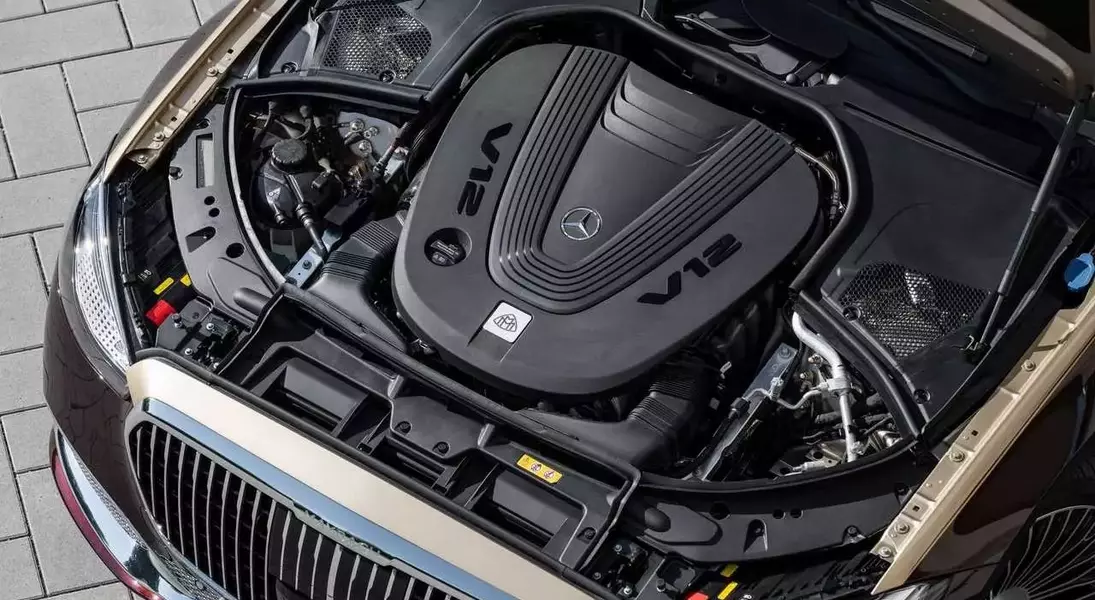
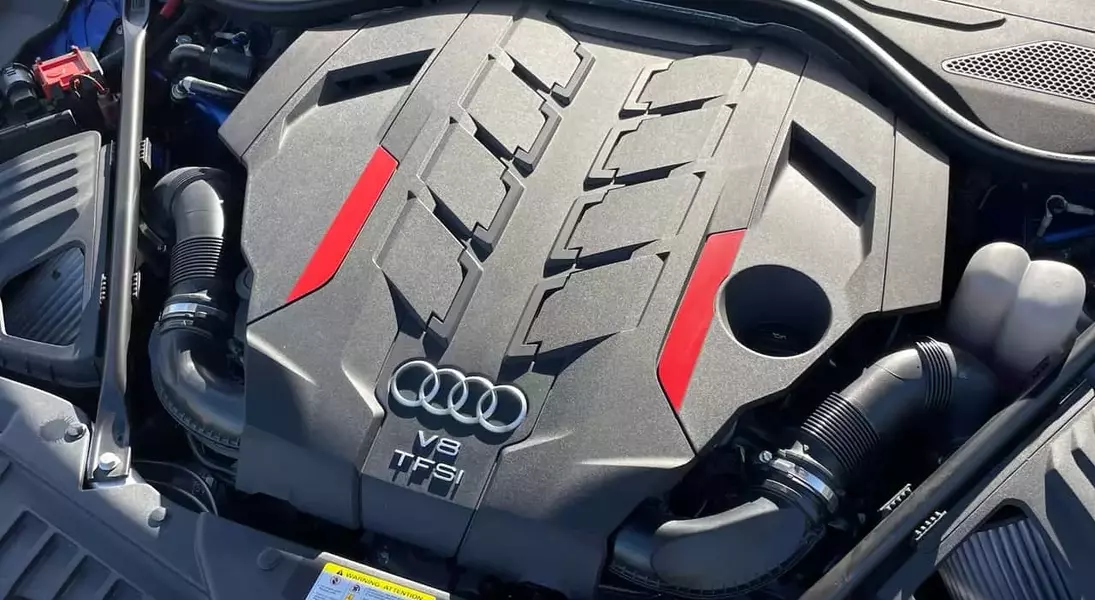
The European Union has decided to modify its previously announced 2035 ban on the sale of new internal combustion engine vehicles, a move that will now permit continued sales under specific criteria. This adjustment follows significant advocacy from automotive manufacturers, who highlighted concerns regarding the insufficient development of electric vehicle charging infrastructure, the elevated costs of EVs, and the potential for extensive job losses within the traditional automotive sector if a complete ban were implemented.
Despite the EU's initial firm commitment to the 2035 cutoff date, sustained lobbying efforts, notably a letter from German Chancellor Friedrich Merz to European Commission President Ursula von der Leyen, have influenced this policy reversal. As confirmed by Apostolos Tzitzikostas, Commissioner for Sustainable Transport and Tourism, new combustion engine cars will be allowed beyond 2035, but exclusively if they operate on low-emission, renewable fuels such as synthetic fuels and biofuels. Examples include HVO100, a diesel substitute derived from vegetable oils and animal fats, already in use by BMW, and synthetic gasoline, which Porsche has been developing in Chile using wind energy.
While this policy shift offers a lifeline to the combustion engine industry, significant challenges persist. The feasibility of establishing the required infrastructure for widespread adoption of synthetic and biofuels within the next nine years remains questionable. Furthermore, although the ruling only pertains to new car sales, current vehicle owners will still be permitted to use conventional gasoline or diesel. This evolving landscape reflects a complex interplay between environmental aspirations, economic realities, and technological advancements, as the EU aims to balance climate-neutral goals with industry sustainability, while continuing to evaluate the role of plug-in hybrids and range-extended vehicles in its future automotive strategy.
This revised approach by the European Union demonstrates a pragmatic balance between environmental objectives and economic realities. By fostering innovation in sustainable fuels, it encourages the automotive industry to pursue diverse solutions for reducing emissions, rather than solely focusing on electrification. This flexibility can lead to a more resilient and adaptable transition to a greener future, ensuring that progress is both environmentally responsible and economically viable for all stakeholders.
