
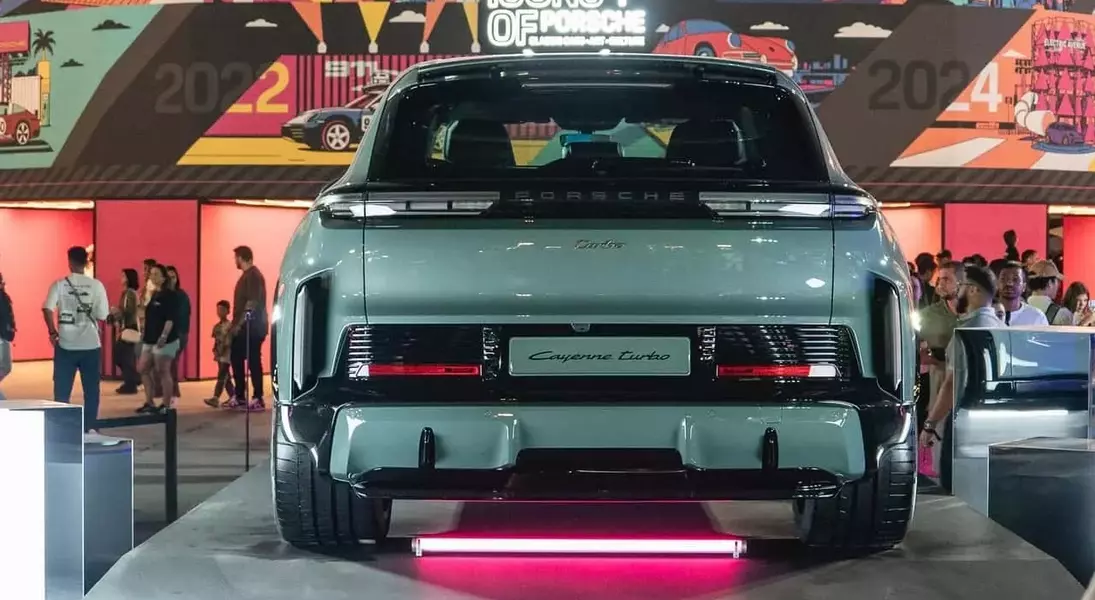
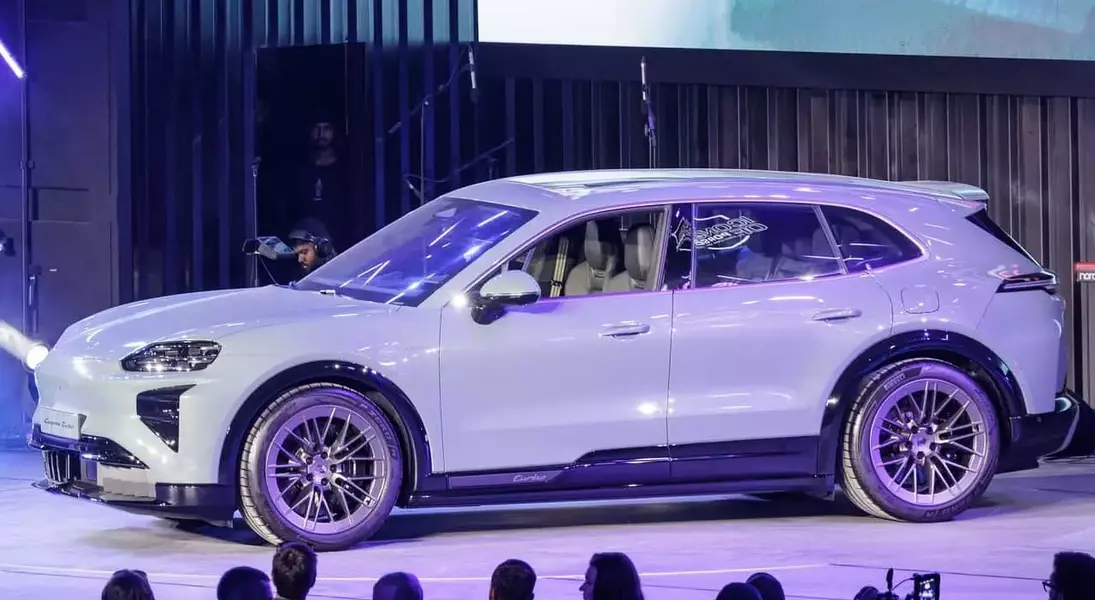
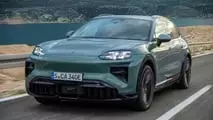
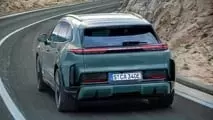
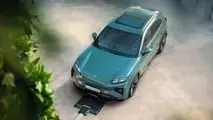
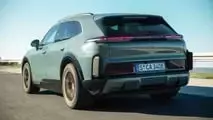
The automotive world is buzzing about the 2026 Porsche Cayenne Electric, a vehicle that, despite its impressive 5,831-pound curb weight, promises an unexpectedly nimble driving experience. This considerable mass, making it Porsche's heaviest production model to date, is largely due to its substantial 113-kWh battery, which alone tips the scales at 1,322 pounds. To put this in perspective, this battery pack weighs almost as much as the entire 1951 Porsche 356 SL, a legendary Le Mans-winning race car.
Porsche's Engineering Triumph: Making a Heavy EV Feel Light
Michael Schaetzle, Vice President of the Cayenne series, recently shed light on how Porsche engineers have managed this feat. Speaking to Australia's Drive magazine, Schaetzle emphasized that the strategic positioning of the battery beneath the vehicle's center of gravity is key. This design, combined with innovative features such as newly developed tires, advanced axles, and the sophisticated Active Ride System, effectively masks the electric SUV's substantial heft, making it feel more agile than even the gasoline-powered model.
Interestingly, the V-8 Cayenne Turbo, a formidable internal combustion engine (ICE) variant, is not significantly lighter, weighing in at 5,666 pounds for the European version—a mere 165 pounds less than its electric sibling. Porsche has committed to offering both ICE and EV models for the foreseeable future, with plans to keep the V-8 in production well into the 2030s, even in Europe, by adapting it to meet the stringent Euro 7 emissions standards.
Beyond its road performance, Schaetzle also highlighted the electric Cayenne's superior off-road capabilities. He stated that the immediate torque delivery from the electric motors and the precise control over power distribution make the EV model "much better than the ICE" when venturing off the beaten path. This focus on off-road prowess harks back to the original Cayenne's design, which featured robust off-road hardware like a low-range transfer case. Although later generations scaled back on some of these features to reduce weight, the electric model promises a resurgence in this area.
Looking ahead, Porsche is reportedly developing an even larger electric SUV, codenamed "K1," which will feature three rows. Initially conceived as an EV-only vehicle, this model will now debut with combustion engines first. This decision, as explained by outgoing Porsche CEO Oliver Blume, reflects the company's responsiveness to evolving market dynamics and customer preferences, especially given a slower-than-anticipated adoption rate for electric vehicles.
The automotive industry is at a fascinating crossroads, where traditional powerhouses like Porsche are navigating the transition to electrification while balancing performance, customer demand, and market realities. The Cayenne Electric stands as a testament to Porsche's engineering ingenuity, demonstrating that heavy electric vehicles can still deliver a dynamic and engaging driving experience. It also underscores the ongoing debate and evolving strategies around the pace of EV adoption and the future of internal combustion engines.
