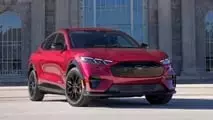






Ford's electric vehicle market performance is currently facing difficulties, largely attributed to the phasing out of federal tax incentives. Despite this, a remarkable surge in sales of its conventional gasoline-powered Mustang model has been observed. In November, the iconic pony car's sales figures approached the total sales volume of all Ford electric vehicles combined, which include the Mach-E, F-150 Lightning, and E-Transit.
Previously, Mustang sales had been sluggish, with only just over 1,800 units sold in September. However, November saw a substantial increase, with 4,207 Mustangs finding new owners. In contrast, Ford's entire EV lineup sold a mere 4,247 units during the same period, indicating a sharp decline in electric vehicle demand across its various models. While the overall year-to-date sales still show electric vehicles leading with nearly 80,000 units compared to just over 40,000 Mustangs, the November data points to a significant trend reversal.
Looking ahead, the Mustang's sales trajectory for the remainder of the year will be closely watched, as a robust December could help offset its current year-to-date decline of 1.6 percent. Conversely, the outlook for Ford's electric vehicles appears challenging, with further sales reductions anticipated unless substantial incentives are introduced. This scenario suggests a potential opportunity for consumers seeking electric vehicles, as significant deals may become available as the holiday season progresses.
The automotive industry is in a constant state of flux, where consumer preferences and external factors like government incentives can rapidly alter market dynamics. Ford's recent sales data serves as a powerful reminder that even in an era increasingly focused on electrification, traditional, beloved models like the Mustang continue to hold strong appeal and can experience resurgences. This adaptability and resilience in the face of changing trends are crucial for sustained growth and innovation within the automotive sector, encouraging companies to continuously evaluate and respond to the diverse demands of their customer base.
