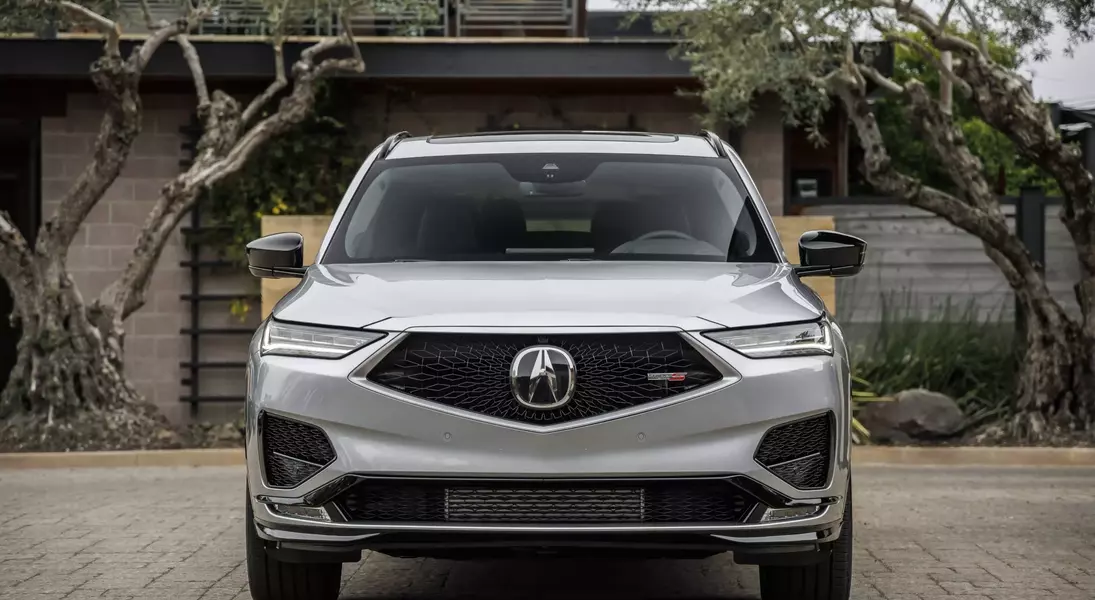
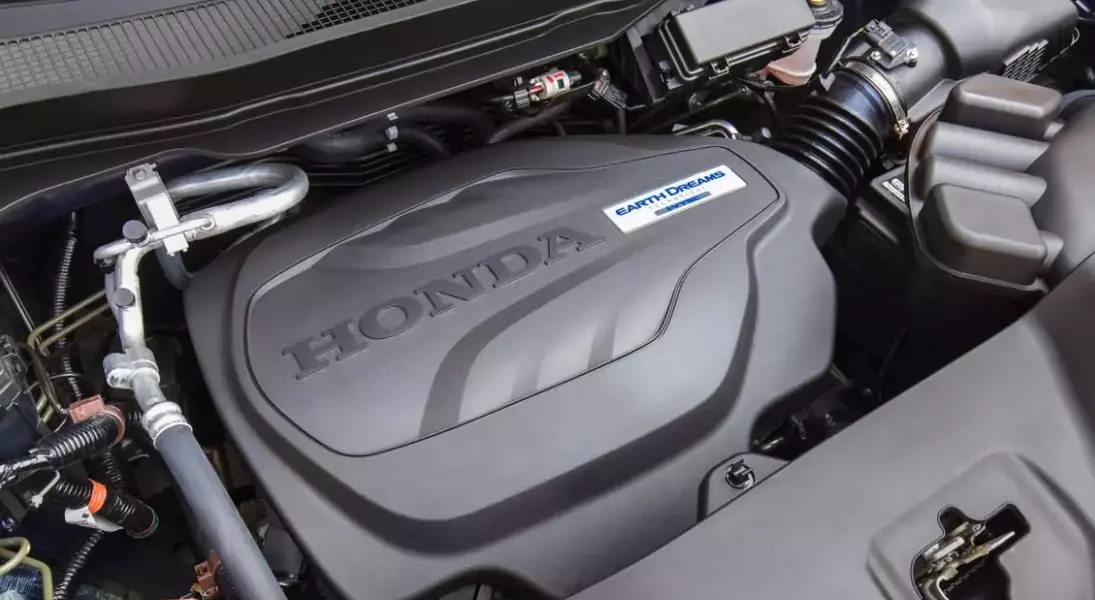
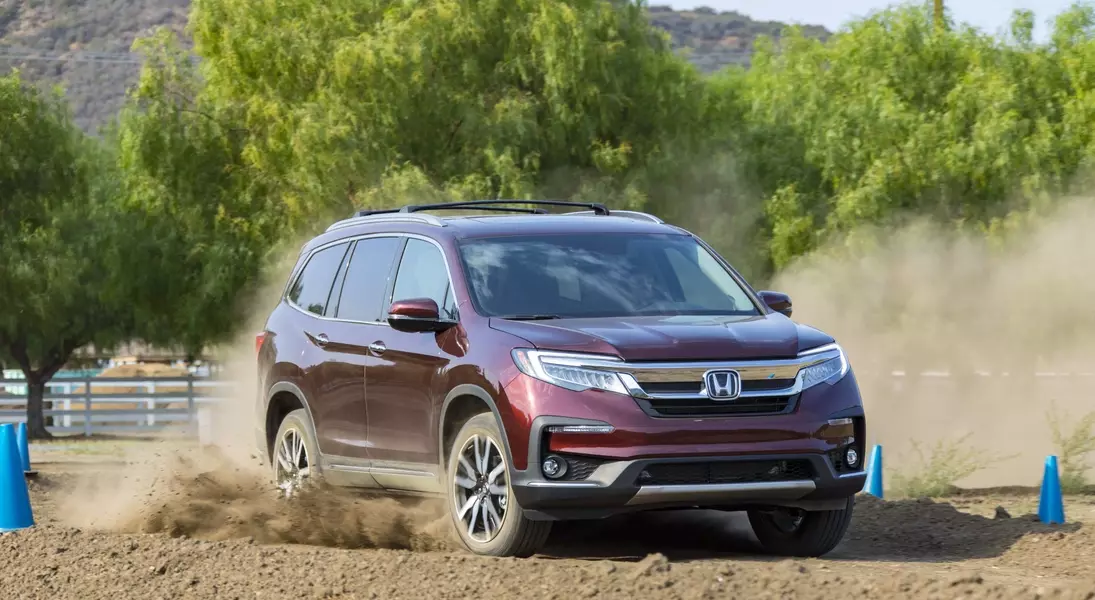
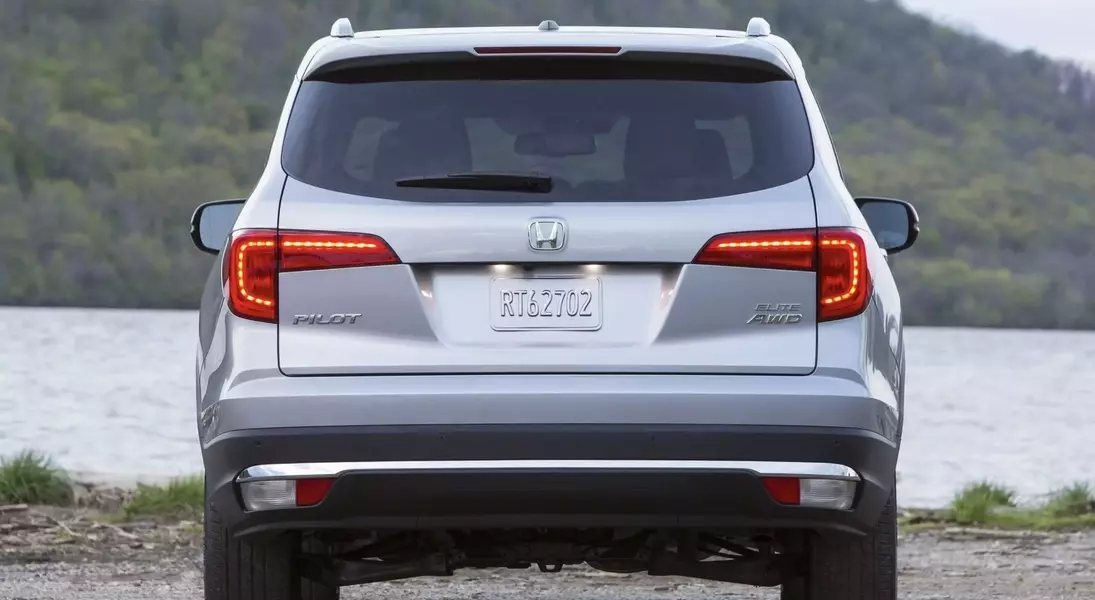
Honda is currently embroiled in a significant class-action lawsuit stemming from persistent and widespread issues with its 3.5-liter V6 engine, which powers a variety of its models and those of its luxury division, Acura. This legal challenge follows an earlier recall in 2023 and an ongoing federal investigation by the National Highway Traffic Safety Administration (NHTSA) into approximately 1.4 million affected vehicles. Owners of these vehicles have reported premature engine failures, often occurring long before typical wear and tear would suggest, and many find themselves facing substantial repair costs after their warranties have expired. The lawsuit alleges that Honda's previous recall efforts were insufficient and did not fully address the underlying manufacturing defects responsible for these extensive engine malfunctions.
Despite a 2023 recall aimed at addressing a specific crankshaft production defect, the class action lawsuit asserts that the fundamental problem affecting the 3.5L V6 engine across a broader range of vehicles was not adequately resolved. This has left numerous owners of popular models like the Honda Pilot, Odyssey, Passport, Ridgeline, and several Acura models (RLX, TLX, MDX) grappling with sudden and costly engine breakdowns. The lawsuit highlights severe performance issues, including unusual noises, misfires, power loss, and complete engine failure, sometimes at surprisingly low mileages. The ongoing legal battle and federal scrutiny underscore a significant challenge for Honda, as it strives to manage the financial and reputational fallout from these widespread engine defects, all while facing mounting pressure from disgruntled customers and regulatory bodies.
The Widespread Issue with Honda's V6 Engine and Its Consequences
Honda's 3.5-liter V6 engine, despite its conventional design without forced induction or electrification, has become a major source of contention for many Honda and Acura vehicle owners. Reports indicate a range of severe problems, including unusual engine noises, misfires, significant power loss, unexpected engine stalls, and hesitation during acceleration. These issues frequently lead to premature damage to critical internal components such as connecting rods, pistons, bearings, and the crankshaft, culminating in total engine failure in numerous instances. The class-action lawsuit highlights that these failures are not isolated incidents but rather a systemic problem, with some owners experiencing complete engine breakdown at remarkably low mileages, sometimes even below 40,000 miles. The financial burden on owners is substantial, as they often face repair costs exceeding several thousand dollars, with engine replacements sometimes quoted at nearly $25,000, forcing some to opt for more affordable rebuilt engines.
The root cause of these widespread engine problems, according to the 2023 recall, was an improperly ground crank pin identified during the manufacturing process. However, the current class-action lawsuit claims that this recall failed to address the fundamental defect present in all affected vehicles and controversially excluded many models experiencing the same issues. The list of implicated models spans several years and includes the 2014-2020 Acura RLX, 2015-2020 Acura TLX, 2016-2020 and 2022-present Acura MDX, 2016-2022 Honda Pilot, 2018-present Honda Odyssey, 2019-2025 Honda Passport, and 2017-present Honda Ridgeline, indicating a persistent problem extending over a decade. Owners, such as Savannah Messenger, whose Honda Pilot's engine failed at 76,420 miles, are frequently denied warranty coverage because their vehicles are outside the five-year or 60,000-mile powertrain warranty period. This leaves them to bear the hefty repair costs independently, amplifying frustration and eroding confidence in Honda's reliability standards.
Challenging Japanese Reliability: Honda and Toyota's Engine Woes
The current engine issues faced by Honda, particularly with its 3.5-liter V6, significantly challenge the long-held perception of Japanese automakers as benchmarks for reliability. This perception has historically positioned brands like Honda and Toyota at the forefront of consumer trust due to their vehicles' durability and longevity. However, recent widespread failures, such as those leading to the class-action lawsuit against Honda, introduce serious doubts about the consistency of their engineering and manufacturing quality. The premature engine breakdowns, even in relatively new vehicles, directly contradict the expectation of trouble-free ownership often associated with these brands. This situation not only tarnishes their reputation but also places immense financial and emotional strain on affected customers who purchased these vehicles based on their anticipated dependability.
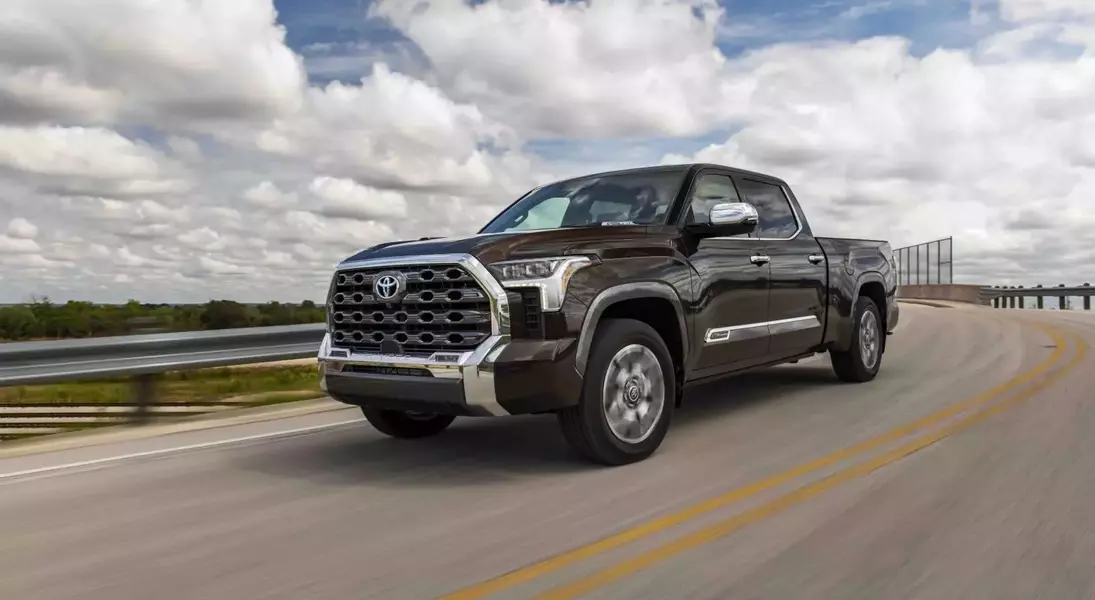
Furthermore, Honda is not alone in grappling with significant engine-related setbacks. Toyota, another titan of Japanese automotive engineering, has also encountered reliability challenges with its twin-turbocharged V6 engine, necessitating recalls for thousands of vehicles, including popular models like the Tundra pickup and Lexus GX/LX SUVs. In Toyota's case, the problems were attributed to machining debris left in the engine during production, leading to issues like rough running and engine knocking, and also resulted in a class-action lawsuit. While both companies are facing similar legal and consumer backlashes, Honda's situation appears more critical due to the broader scope and extended timeframe of its V6 engine problems. This series of events underscores a worrying trend for Japanese automakers, forcing a re-evaluation of their celebrated reliability standards in the face of these extensive and costly engine defects.
