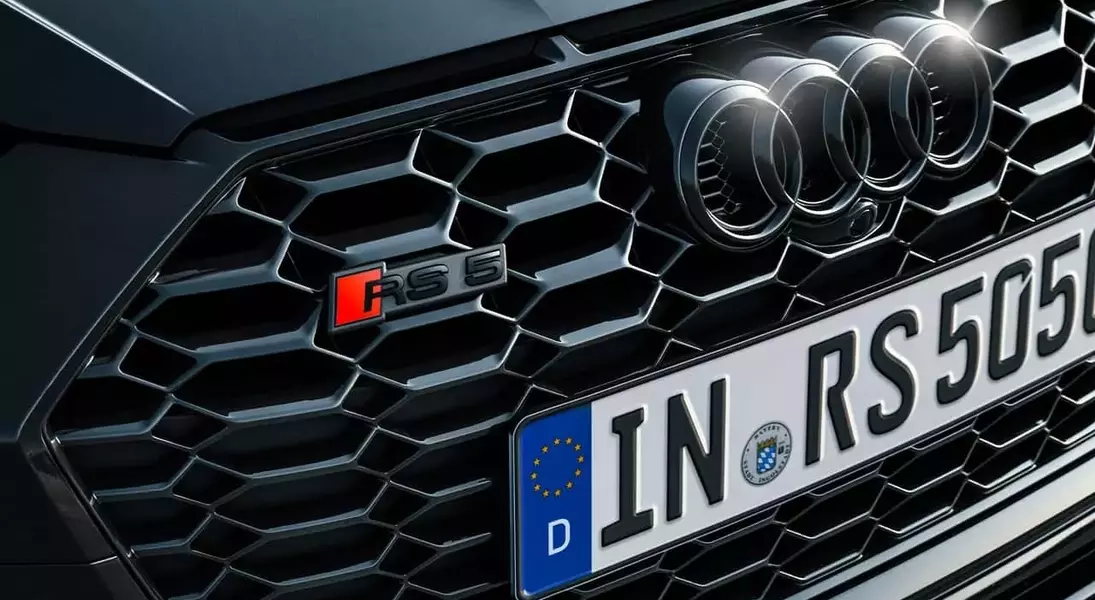
Audi recently shared its roadmap for 2026, subtly hinting at a significant new addition to its lineup: the RS5 plug-in hybrid. This forthcoming model marks a pivotal moment for Audi Sport, as it will be the brand's inaugural RS model to feature a plug-in hybrid powertrain. Despite the shift towards electrification, enthusiasts can expect the powerful V6 engine to remain, a choice that underscores Audi's commitment to performance while navigating evolving emission standards. The new RS5 will be available in both a sleek liftback variant and a versatile wagon, broadening its appeal to a wider range of customers.
The transition to a plug-in hybrid system brings both advancements and challenges, notably an increase in vehicle weight. The S5 liftback already weighs around 4,299 pounds, and the S5 Avant wagon is even heavier at 4,332 pounds. Incorporating a battery pack for the hybrid setup will inevitably add more mass. However, this weight gain is expected to be offset by a significant boost in power, with projections suggesting the new RS5 will exceed 500 horsepower, a considerable upgrade from its predecessor's 444 horsepower. The torque output is also anticipated to see a healthy increase, promising a thrilling driving experience despite the added weight.
Looking ahead, Audi's decision to discontinue the RS5 Coupe and Convertible body styles for this generation signifies a strategic shift, leaving the five-door RS5 and the RS4 Avant-replacing RS5 wagon as the primary offerings. While some purists may lament the move to hybrid powertrains, it's a pragmatic response to stringent environmental regulations, particularly the upcoming Euro 7 standards. This year also holds promise for other Audi Sport developments, with speculation about a hardcore RS3 "GT" variant potentially serving as a farewell to the beloved five-cylinder engine in 2026. Audi's embrace of hybrid technology in its performance models reflects an adaptive and forward-thinking approach, ensuring that high-performance vehicles can coexist with environmental responsibility.
The automotive industry is constantly evolving, with manufacturers striving to balance exhilarating performance with environmental sustainability. Audi's introduction of the RS5 plug-in hybrid exemplifies this commitment, showcasing that powerful vehicles can adapt to new technological demands and regulatory landscapes. This forward-thinking strategy ensures a vibrant future for high-performance cars, demonstrating that innovation can lead to both excitement and responsibility.
