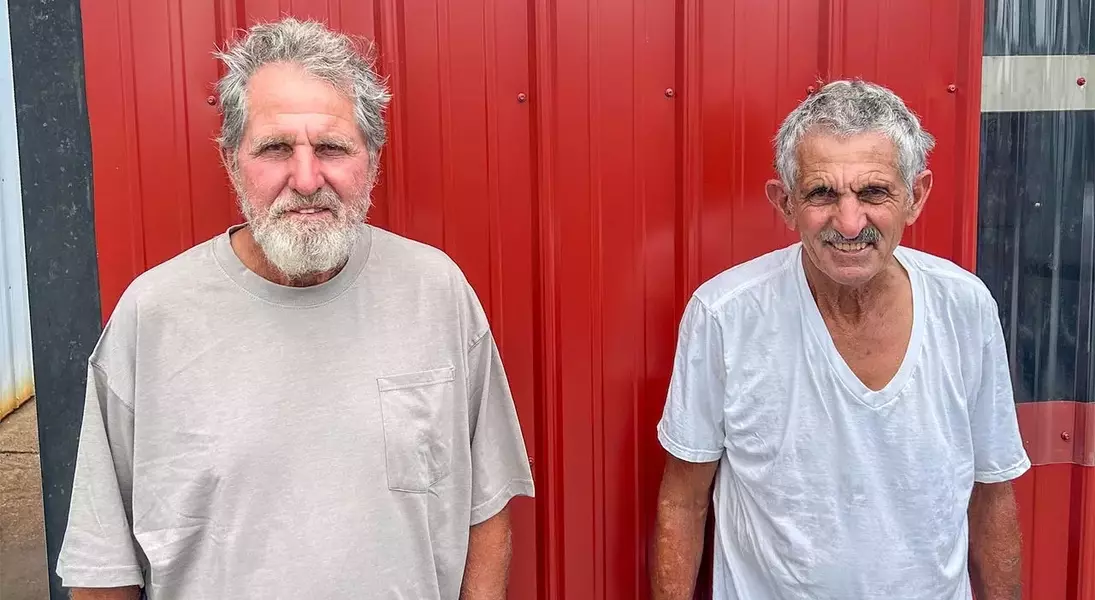
The Hatfield family of Ohio has distinguished itself as a beacon of sustainable agricultural practices, earning the Ohio Conservation Farm Family award for their innovative and dedicated efforts. Confronted with the prevalent issue of gully erosion in their fields, Ernie, Dewey, and Mark Hatfield embarked on a transformative journey towards environmentally conscious farming. Their proactive approach, particularly in adopting and refining cover crop strategies and no-till cultivation, exemplifies a profound commitment to preserving soil integrity and promoting ecological balance within their farm operations. This dedication not only addresses immediate environmental challenges but also sets a precedent for long-term agricultural resilience.
Their pioneering spirit is further demonstrated through custom engineering solutions, such as Ernie's self-fabricated combine attachments for precise cover crop seeding, and their comprehensive livestock management system. By integrating rotational grazing and meticulous nutrient management, the Hatfields showcase a holistic model of farming that prioritizes the health of the land and its resources. Their success underscores the potential for agricultural innovation to align with conservation principles, proving that economic viability and environmental stewardship can indeed go hand in hand. The family's willingness to share their valuable experiences and techniques with the wider farming community reflects a collaborative spirit aimed at fostering a more sustainable future for agriculture.
Pioneering Soil Stewardship and Crop Innovation
In response to significant gully erosion on their Clermont County farm, the Hatfield brothers, Ernie, Dewey, and Mark, embarked on a journey to revolutionize their farming practices. Witnessing the detrimental effects of conventional tillage on their silt-rich soils, which struggled with water infiltration, they recognized an urgent need for change. Inspired by their brother Milt's challenge to cultivate without degrading the land, they fully embraced no-till farming and strategically implemented cover crops. This shift was a direct response to the vulnerability of their soil, aiming to enhance its structure, improve water absorption, and significantly reduce runoff. Their initial forays, including sowing wheat strips in low-lying areas, underscored the complexity of the challenge, pushing them to seek more effective solutions for enduring erosion issues.
Ernie Hatfield’s ingenuity became a cornerstone of their conservation efforts. Driven by a desire for more consistent and efficient cover crop establishment, he innovated beyond traditional methods. Dissatisfied with the uneven results of aerial seeding, Ernie engineered unique seeder attachments for their combine headers, enabling simultaneous harvesting and cover crop planting. This invention ensures that seeds are immediately incorporated with crop residue, fostering optimal germination and uniform stands. The integration of wheat into their system serves multiple purposes: as a valuable cash crop and an effective cover crop, minimizing external input costs and maximizing land utility. Furthermore, their adoption of relay cropping demonstrates an advanced understanding of crop sequencing, allowing them to optimize yields and soil health concurrently, showcasing a sophisticated, multi-faceted approach to sustainable crop management.
Integrated Livestock and Environmental Management
The Hatfield Farms' dedication to conservation extends beyond crop fields to their livestock operations, integrating the '4R' principles of nutrient management. Their 50 acres of pasture, home to club cattle, are managed under a meticulous rotational grazing system, overseen by Mark Hatfield. This strategy prevents overgrazing, allowing pastures to recover and thrive, which in turn enhances soil health and nutrient cycling. Significant infrastructural investments, including the establishment of a winter-feeding pad, advanced water systems, and improved access roads, underscore their commitment to efficient and environmentally sound livestock practices. These enhancements are crucial for optimizing animal welfare and minimizing the environmental footprint of their cattle operation, demonstrating a holistic view of farm ecosystem health.
Moreover, the Hatfields proactively address soil degradation across their entire farm. Their experience highlights the stark contrast between healthy, grass-covered fencerows and bare, eroded soil, reinforcing the importance of natural ground cover in preventing erosion and suppressing weeds. Applications of limestone to vulnerable areas further stabilize the soil, facilitating safer and more efficient field work. Over the past twelve years, these combined efforts have markedly increased the organic matter content in their soils, a testament to the effectiveness of their conservation farming. Their practice of 'planting green' — allowing cover crops to grow longer into the planting season—is a critical adaptation to challenging weather patterns, particularly wet springs. This method helps manage soil moisture and can reduce the need for herbicide applications, further cutting costs and minimizing chemical use. The Hatfields’ unwavering commitment to working in harmony with nature, consistently sharing their knowledge, and prioritizing the long-term health of their land reflects a profound and inspiring vision for sustainable agriculture.
