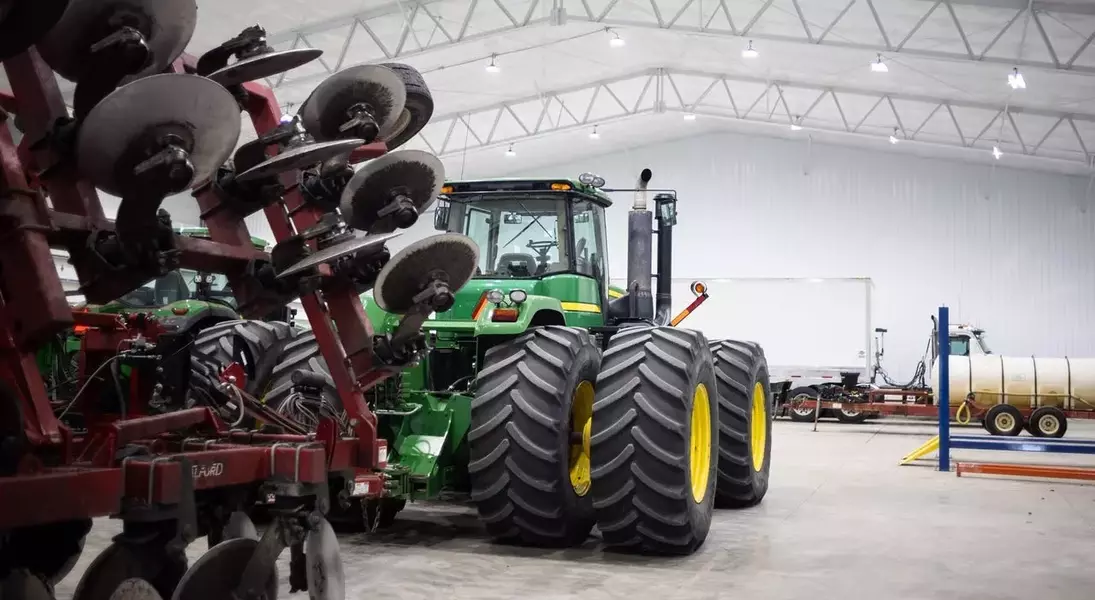
Envisioning an optimal workspace, a farmer from Plato, Minnesota, dedicated three years to meticulously planning and constructing his new farm equipment facility. This ambitious project culminated in a sprawling 100-foot-wide by 220-foot-long structure, a significant upgrade from his previous gravel-floored machine shed. The new building is thoughtfully segmented into two main areas: 75 feet of cold storage and a more expansive 145-foot workshop. Special attention was given to the climate control, featuring a floor-based radiant heating system that ensures comfort even during the harshest winters, and an insulation-wrapped ceiling that soars 4 feet higher than typical designs. The farmer, Brian Thalmann, actively sought input from other agricultural professionals, visiting numerous farm shops across Minnesota and Wisconsin to gather insights on preferred features and potential improvements, which profoundly influenced the final design of his dream workshop.
The newly constructed facility, a 'Commander Building' by Mid Minnesota Builders, showcases an impressive array of integrated systems and practical design elements. Concealed within the metal walls and beneath the concrete flooring are a network of air and electrical lines, servicing five strategically placed air reels. A sophisticated, centralized water treatment system, located above a utility room, provides a continuous supply of filtered and softened water throughout the entire property, eliminating the need for individual refills across different buildings. The roof, featuring 57-foot seamless panels, offers both leak protection and OSHA-approved fall safety, while the sealed concrete floors are designed for effortless cleaning. The workshop's practical layout includes a wash bay that can be sectioned off, complete with a pressure washer and a 70-foot floor drain for efficient liquid waste management. Furthermore, the mezzanine level houses a well-organized parts storage area, with frequently used items easily accessible and larger equipment movable via forklift, ensuring seamless operations. The building also features expansive access points, including a massive 50-by-20-foot single-piece door and a 40-by-20-foot bifold door, facilitating the movement of large farm machinery.
Beyond its impressive scale, the workshop integrates numerous thoughtful details aimed at enhancing productivity and durability. A dedicated concrete pad near the front entrance is prepared for a 15-foot jib crane, complemented by in-floor anchor points that provide crucial leverage for heavy-duty tasks. A specialized welding area, equipped with a 1,200-pound welding table and mobile curtains, underscores the shop’s versatility. The commitment to efficiency extends to tool management, with new toolsets kept within the shop, while older, well-worn tools are designated for field use, minimizing loss and ensuring proper maintenance. Practical elements like wainscoting for easy repairs, a hands-free utility sink, and comprehensive Wi-Fi connectivity for modern equipment software updates further enhance the facility. A break room with a kitchen and a connection to a semi-truck scale for the seed business exemplify the comprehensive nature of the design. This extensive planning and investment, driven by a long-term vision and a nod to his father's advice, ensures that the shop is not merely a structure, but a lasting legacy for future generations of the farming family.
This endeavor stands as a shining example of forward-thinking and meticulous planning, embodying the spirit of continuous improvement and dedication to agricultural advancement. It underscores the importance of investing in high-quality infrastructure that not only meets immediate needs but also anticipates future challenges, ensuring sustained success and innovation in the farming community. The careful consideration given to every detail of the workshop reflects a profound commitment to efficiency, safety, and a legacy that will benefit generations to come, symbolizing progress and enduring values in the agricultural sector.
