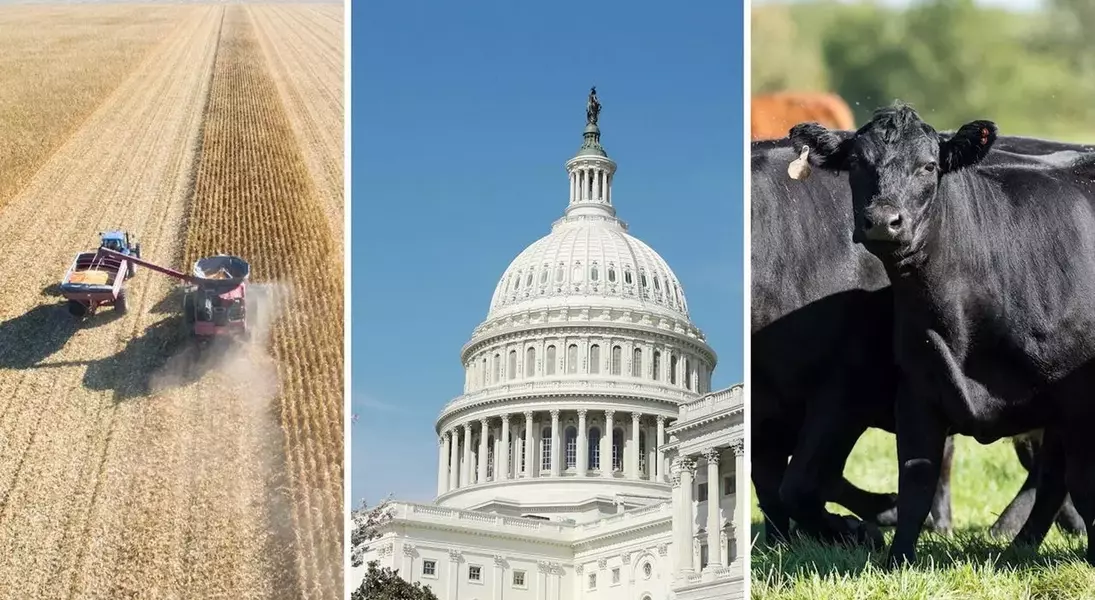
The agricultural landscape is continuously evolving, marked by significant developments in market trends, technological innovations, and policy adjustments. Farmers across the nation are grappling with volatile grain prices, impacting their decisions regarding future harvests. The recent dip in corn and soybean futures below critical price levels has compelled many to reconsider their marketing strategies for the 2025 crop, emphasizing the need for adaptable and informed choices in a dynamic economic environment.
Amidst these market fluctuations, the agricultural industry is also witnessing notable advancements in machinery and governance. The unveiling of new tractor models promises enhanced efficiency and comfort, reflecting a broader trend towards technological integration in farming operations. Concurrently, a major restructuring initiative within the USDA, involving the relocation of personnel to regional centers, signals a fundamental shift in how agricultural services will be delivered. Furthermore, environmental regulations are evolving, with proposed approvals for herbicide use on key crops indicating a complex interplay between agricultural practices and ecological considerations. These changes collectively shape the operational framework for producers, demanding vigilance and strategic planning.
Looking forward, the sector is also preparing for major industry events, such as the Farm Progress Show, which serves as a vital platform for showcasing emerging technologies like drone applications in agriculture. This proactive embrace of innovation, combined with a commitment to understanding and adapting to market and policy shifts, will be crucial for farmers to not only sustain their operations but also thrive. The challenges are significant, but so are the opportunities for growth and efficiency through informed decision-making and strategic adoption of new practices.
