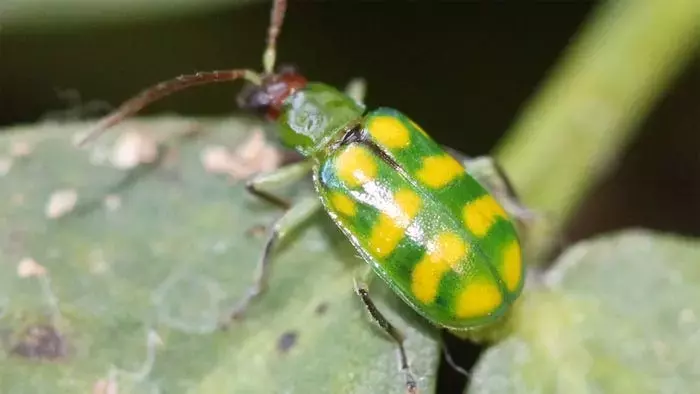
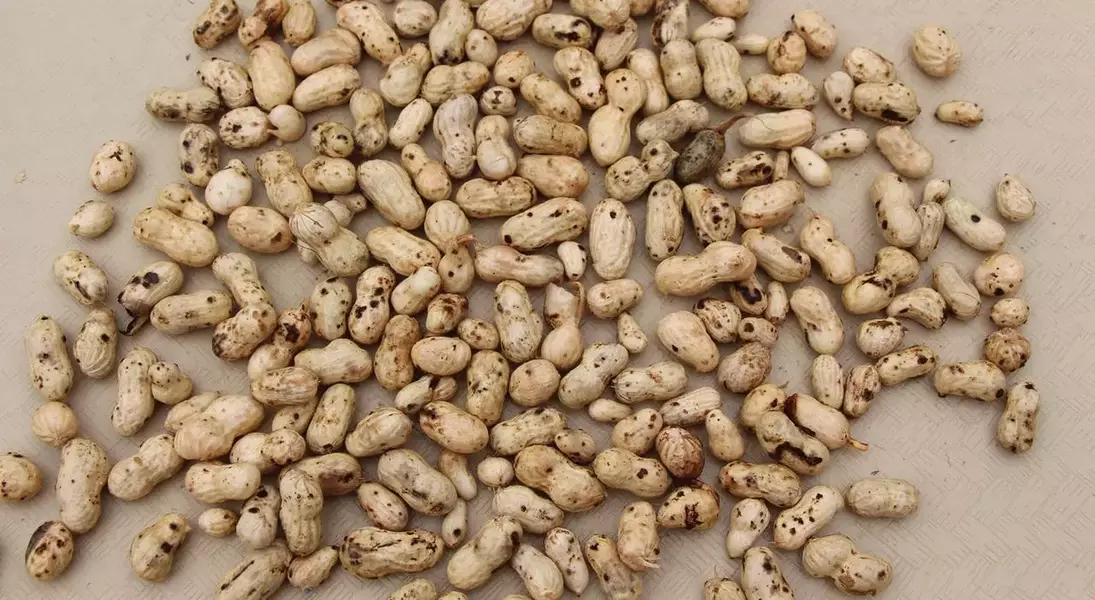
Peanut cultivators have long grappled with the persistent menace of rootworms, a challenge exacerbated by the removal of certain highly effective insecticides from the market. However, a new horizon of hope is on the verge of emerging with the potential introduction of isocycloseram. This novel compound, currently under review for regulatory approval, promises to restore a crucial tool for farmers in their ongoing battle against these destructive pests. Its anticipated arrival represents a significant stride in integrated pest management, offering a much-needed alternative for safeguarding peanut yields and ensuring agricultural productivity.
Breakthrough in Peanut Pest Control: Syngenta's Plinazolin Technology Awaits Approval
In a significant development for the agricultural sector, particularly for peanut farmers, Syngenta is actively pursuing U.S. regulatory clearance for isocycloseram, an advanced broad-spectrum contact insecticide set to be marketed under the 'Plinazolin technology' brand. This highly anticipated compound offers a beacon of hope for effectively managing pervasive rootworm infestations. The news comes as a crucial relief, especially following the recent re-prohibition of chlorpyrifos, an insecticide that previously served as a primary defense against these subterranean pests.
Dr. Mark Abney, a distinguished Extension Entomologist at the University of Georgia, has been a leading voice in highlighting the urgent need for a new rootworm control solution. Speaking at the 57th annual American Peanut Research and Education Society (APRES) conference, held on July 17 in the historic Omni Hotel in Richmond, Dr. Abney underscored the challenges faced by peanut growers. He emphasized that the ban on chlorpyrifos, effective June 30 of the current year, left farmers with virtually no viable chemical options for rootworm management, severely impacting crop health and yield potential.
University of Georgia's extensive research, spearheaded by Dr. Abney and his dedicated team, has yielded highly encouraging results regarding isocycloseram’s efficacy. Their studies confirm its robust capability to control rootworms in peanuts, performing comparably to, and in some cases even surpassing, the previously available alternatives. While the Environmental Protection Agency's final approval for isocycloseram is optimistically projected for the 2026 planting season, its future availability across various agricultural products is expected to extend to a wide range of crops including cotton, vegetables, field corn, tree fruits, and cereals.
The research demonstrated that in-furrow applications of isocycloseram significantly reduced rootworm damage in peanuts at harvest. Although pre-plant broadcast treatments also showed efficacy, they were not as effective as the in-furrow method. Additionally, chemigation — the application of chemicals through irrigation systems — proved to be another successful delivery method. Dr. Abney expressed particular excitement about the in-furrow results, noting its potential for substantial impact, despite current indications that this specific application method might not be on the initial product label. He voiced commitment to advocating for its inclusion, recognizing the ease and effectiveness it offers to farmers.
Until this promising new insecticide receives full registration for peanut use, growers face limited options. Dr. Abney suggested that farmers might resort to applying bifenthrin through their pivot irrigation systems, a method he cautiously noted can have inconsistent results. Long-term research conducted over eight years at the UGA Southwest Research and Education Center in Plains, alongside field trials on various grower properties, thoroughly evaluated multiple compounds including oxymyl, cyantraniliprole, indoxacarb, diflubenzuron, and imidacloprid, in addition to chlorpyrifos, isocycloseram, and bifenthrin. The findings consistently highlighted that only isocycloseram and chlorpyrifos offered consistently effective control against rootworms. A crucial insight from this research, echoed by studies in the Virginia-Carolinas region, is the general ineffectiveness of foliar sprays in managing peanut rootworm infestations. Furthermore, Dr. Abney advised a key management strategy in the interim: avoiding the planting of peanuts in close proximity to corn fields, as corn plants serve as a source for rootworm emergence. The agricultural community eagerly anticipates the introduction of this new product, hoping it will provide a much-needed, reliable solution for rootworm management.
This innovative development in agricultural science signifies not just a technical advancement, but a profound commitment to sustainable farming practices. The struggle against agricultural pests is an ongoing testament to human ingenuity and resilience. The introduction of cutting-edge solutions like isocycloseram allows us to foresee a future where crop protection is more precise, environmentally conscious, and effective. As we look ahead, the continuous collaboration between scientific research and practical farming will undoubtedly cultivate a more robust and bountiful global food system for generations to come.
