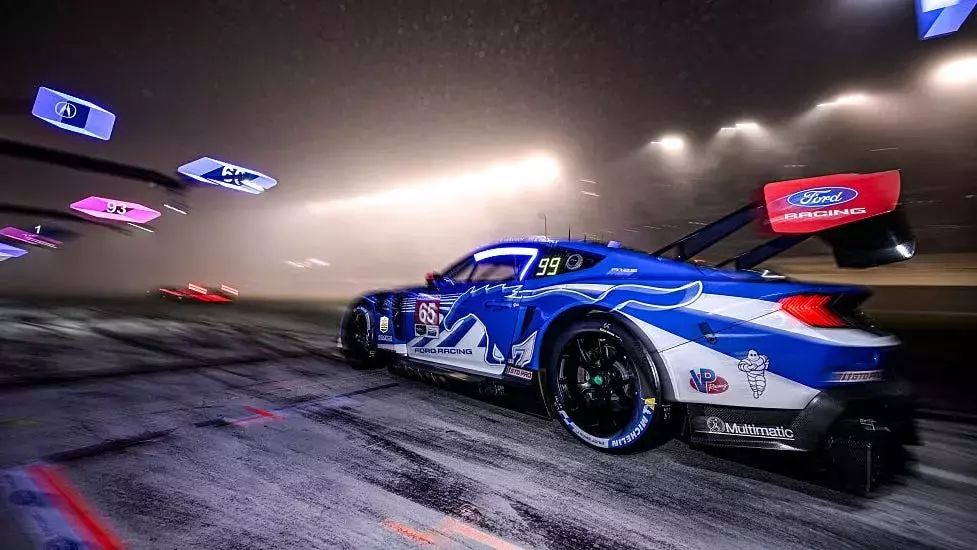
A devoted follower of Formula 1, accustomed to the roar of naturally aspirated V-8 engines and the familiar faces of racing legends, recently embarked on an exhilarating adventure into the realm of sports car competitions. This journey led to the prestigious 64th Rolex 24 Hours at Daytona, an event that profoundly reshaped the author's perception of motorsport. What began as a venture to understand a new racing discipline blossomed into a deep appreciation for the unique spectacle of endurance racing. The experience not only illuminated the intricate differences between Formula 1 and IMSA racing but also underscored the captivating multi-class format, the rich auditory tapestry created by diverse powertrains, and the remarkable fan engagement that sets endurance events apart.
For years, the author's passion for motorsport was exclusively channeled through Formula 1, a world defined by raw speed, cutting-edge innovation, and intense on-track battles. The thought of navigating the complexities of a new racing series often seemed overwhelming, hindering exploration beyond the familiar F1 paddock. This loyalty stemmed from an intimate understanding of F1's team dynamics, driver personalities, and historical nuances, a knowledge base that felt too vast to replicate elsewhere. However, an opportune moment arose to immerse in sports car racing at the Rolex 24, a historically significant event within the WeatherTech SportsCar Championship. This pivotal experience revealed that much had been overlooked in the single-minded pursuit of Formula 1.
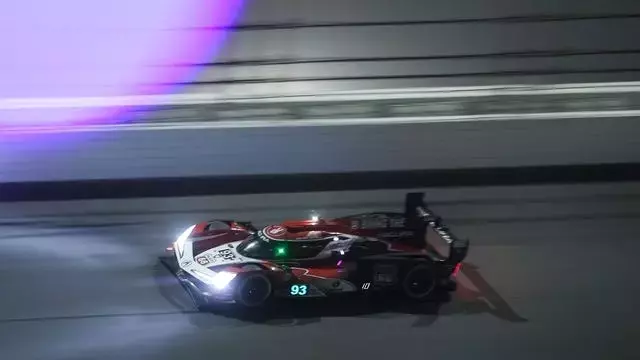
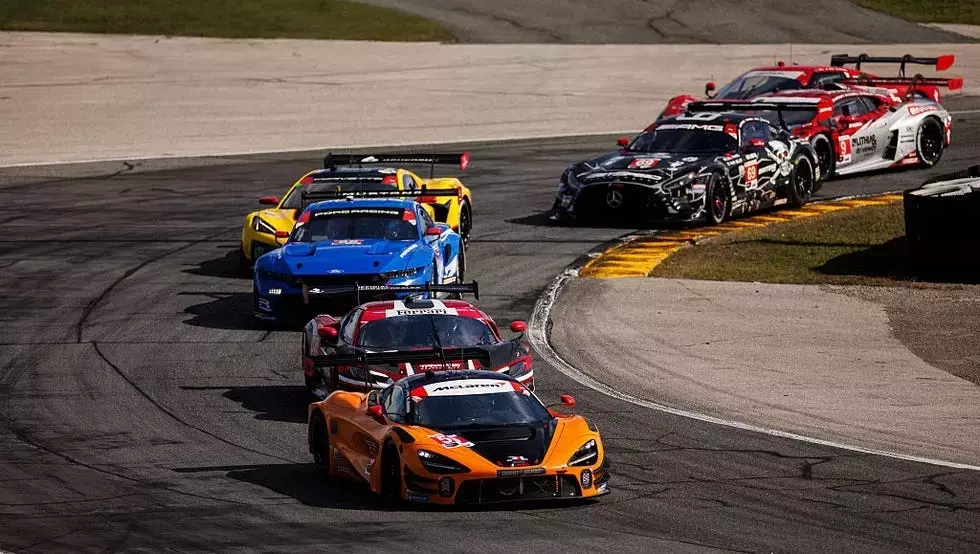
The fundamental distinction between Formula 1 and IMSA racing lies in their operational structures. While Formula 1 pits two mechanically identical cars from each team against rivals adhering to uniform technical regulations, IMSA's WeatherTech SportsCar Championship embraces a multi-class format. This means multiple vehicle types, each with its own set of rules and performance characteristics, compete simultaneously on the track. The Rolex 24 exemplifies this, featuring four distinct classes: GTP, LMP2, GTD Pro, and GTD, all racing concurrently. GTP cars, the fastest on the circuit, conform to LMDh regulations, showcasing advanced aerodynamic designs. LMP2 vehicles, the second-fastest, are primarily spec cars utilizing standardized chassis and engines. The GTD and GTD Pro classes, which comprise cars resembling their road-going counterparts and adhere to FIA GT3 regulations, form the rest of the diverse field.
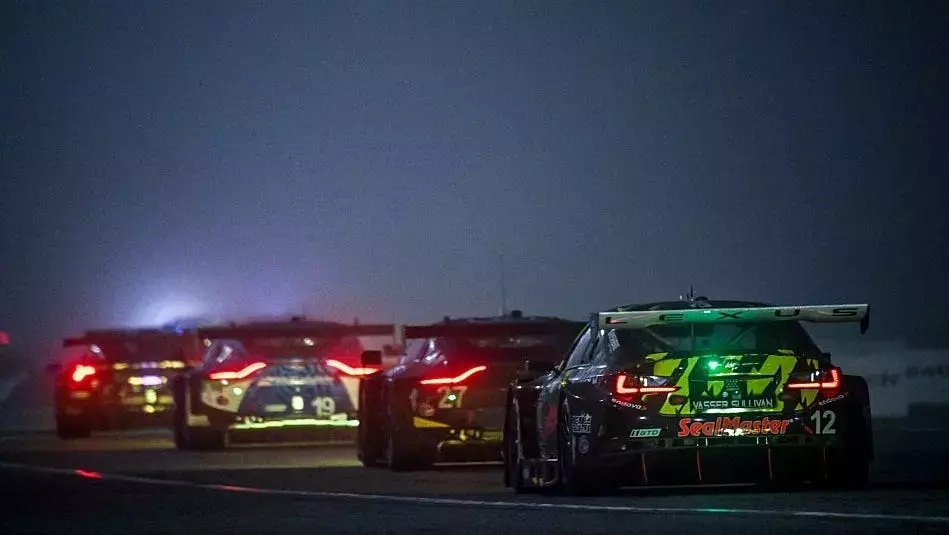
To maintain competitive balance among such disparate vehicles, IMSA employs a system known as "Balance of Performance" (BOP). This involves strategic adjustments to power output, weight, and aerodynamic elements across different manufacturers and car types, ensuring that all contenders have a fair chance at victory. This complex interplay of classes and performance balancing creates an environment of relentless action. The track is a constant flurry of overtakes as faster GTP cars navigate through slower traffic while simultaneously vying for position against their own class rivals. This dynamic nature allows spectators to focus on specific categories or shift attention as the race unfolds, ensuring an uninterrupted spectacle.
The auditory experience at the Rolex 24 is as diverse and captivating as the racing itself, standing in stark contrast to the more uniform engine notes of modern Formula 1. While recent F1 technical overhauls have improved engine sounds, the 1.6-liter turbo-hybrid V-6s still lack the rich variety found in IMSA. The multi-class nature of IMSA, particularly the GTP and GTD categories, allows for a wide array of engine types and displacements. This results in a symphonic blend of snaps, crackles, and roars that echo through the grandstands. From the 2.4-liter twin-turbo V-6 of the Acura ARX-06 to the 5.4-liter naturally aspirated V-8 of the Lexus RC F GT3 and the 5.2-liter V-10 of the Lamborghini Huracán GT3, each car contributes a unique sonic signature. The constant overtaking further enriches this soundscape, creating a cacophony of shrieks and growls that is truly unparalleled.
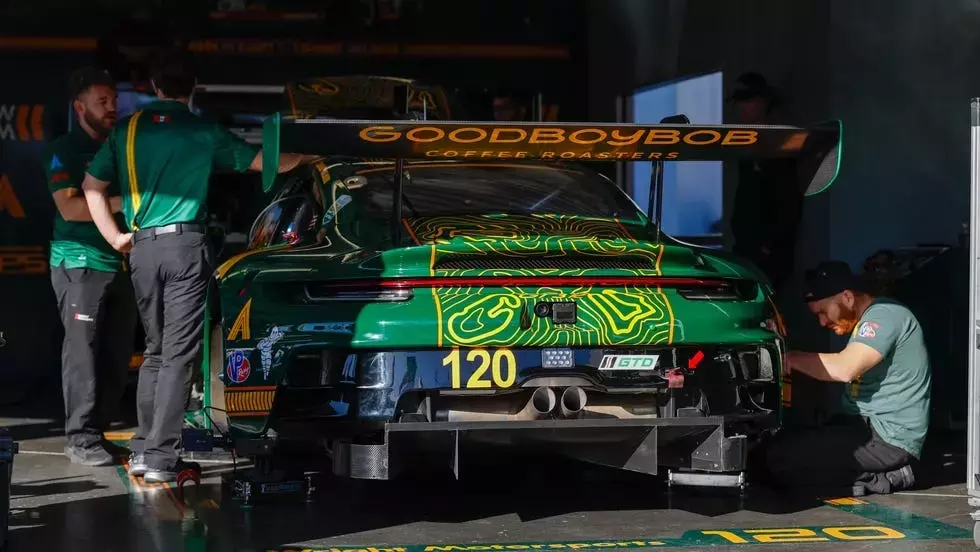
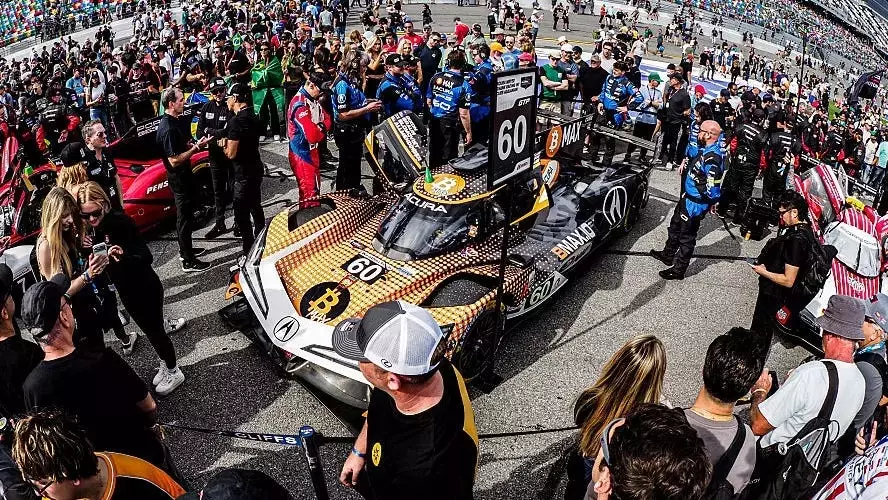
Beyond the thrilling competition and diverse sounds, the Rolex 24 offers an unparalleled level of fan accessibility, a stark difference from the often restrictive environment of Formula 1 events. While Formula 1 general admission experiences can be limited, the Rolex 24 provides fans with extensive access to the garages, infield, and even a pre-race pit lane and track walk. This open approach allows for intimate glimpses into the meticulous preparations of race teams, fostering a connection with the sport that is often unattainable at higher-profile events. Witnessing drivers and crews in their element, making last-minute adjustments, and engaging with fans firsthand evokes a nostalgic sense of motorsport's past, reminiscent of Formula 1's "glory days" when the sport felt more grassroots and accessible. The ability to interact with drivers and see the machinery up close, a privilege rarely afforded with a standard F1 ticket, highlights the unique and welcoming atmosphere of endurance racing.
The extensive access and immersive experience at the Rolex 24 represent a significant draw for any motorsport enthusiast. Unlike the often-constrained spectator zones at Formula 1 races, where even a decent view of the track can be hard to come by, the Rolex 24 provides general admission ticket holders with unprecedented proximity to the action. Being able to stroll through the garages and witness the intricate preparations of the cars and teams before the race, or participate in a track walk where drivers engage with their fans, creates a truly unforgettable memory. This level of engagement, where fans can practically brush shoulders with racing legends like Alex Palou, underscores the event's commitment to creating a deep and personal connection between the sport and its audience. This openness harks back to a simpler era of racing, where the passion for the sport transcended commercial barriers, making the Rolex 24 a refreshingly authentic experience.
Ultimately, the Rolex 24 Hours at Daytona proved to be an eye-opening and deeply enjoyable experience. Despite not completing the entire 24 hours of spectating, the moments spent witnessing the green-flag racing were filled with excitement and engagement, far surpassing previous Formula 1 experiences. The dynamic multi-class racing, the rich variety of engine sounds, and the remarkable accessibility for fans all contribute to an event that offers a different, yet equally compelling, form of motorsport. For any Formula 1 fan contemplating a foray into sports car racing, the Rolex 24 stands as an emphatic recommendation, promising a thrilling and immersive experience that could easily ignite a new passion before the next F1 season even begins.
