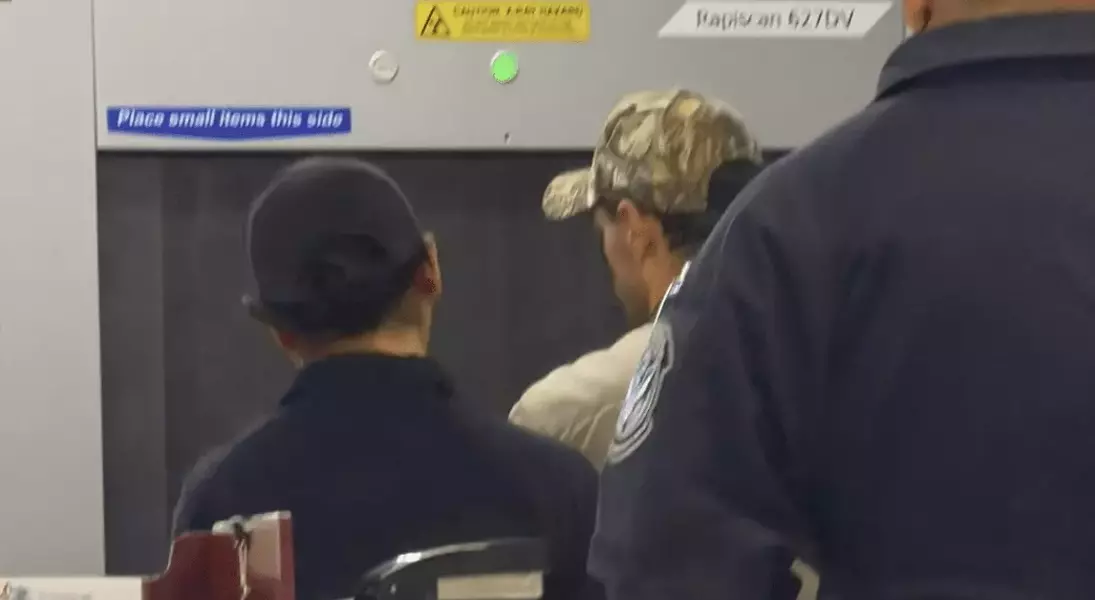

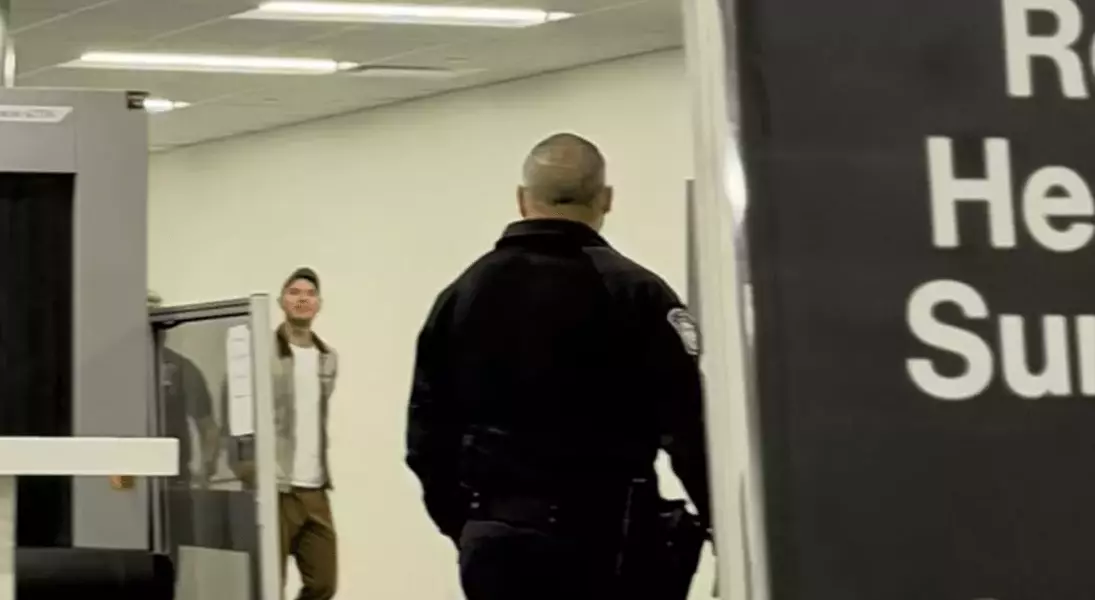
Cody Detwiler, widely recognized as the YouTuber "WhistlinDiesel," has reportedly been apprehended once more at a Tennessee airport. This recent detention is believed to be connected to an ongoing legal dispute regarding tax liabilities. Detwiler's social media commentary suggests that this second arrest was a consequence of an additional vehicle acquisition in a different county, leading to a new warrant. He alleges that a substantial number of law enforcement personnel were involved in his arrest, and he disputes receiving any official notification concerning outstanding taxes prior to these legal actions.
Detwiler's account further details that the case revolves around two vehicles initially registered in Montana, which were subsequently destroyed in other states. He has specifically identified an individual as the principal agent overseeing the matter, indicating that the situation is poised for further escalation. While these assertions by Detwiler are currently unverified by independent sources, they are significantly influencing the narrative surrounding this event across online platforms. The combination of Detwiler's high public profile and the intricate legal challenges he faces ensures that this story will continue to attract media attention as official records become available.
The public's enduring fascination with Detwiler's activities, which range from audacious stunts to luxury car content and frequent controversies, consistently amplifies any legal developments into a broader discussion about automotive culture and its repercussions. This cyclical attention, which fuels interest in spectacular events, also sparks curiosity in other content creators. In Detwiler's unique case, the blend of widespread visibility and complex legal entanglements is expected to keep generating headlines, as authorities and court documents gradually align with the claims he disseminates through social media, thereby perpetuating the narrative.
This ongoing situation serves as a compelling reminder of the intersections between digital celebrity, legal responsibilities, and public scrutiny. It highlights how the actions of individuals in the public eye, particularly those with a significant online following, can have far-reaching implications that extend beyond personal conduct into the realms of law and public discourse. Ultimately, it underscores the importance of adherence to legal frameworks, regardless of one's public stature, and emphasizes the transparency and accountability that modern digital platforms demand.
