Honda has revived its revered Prelude model, introducing a new two-door hybrid coupe for the 2026 model year. This reintroduction aims to blend the legacy of the original Prelude with modern powertrain technology and design. However, the decision to offer it exclusively as a hybrid without a manual transmission has sparked debate among automotive enthusiasts regarding its adherence to the Prelude's historical spirit. The car’s premium positioning and driving dynamics are under scrutiny, particularly concerning its price point compared to both its ancestors and contemporary rivals. This review explores whether the new Prelude successfully carves out a niche in today's competitive sports coupe segment.
2026 Honda Prelude: An In-Depth Look at its Comeback
In a bold move for the automotive landscape, Honda has resurrected the beloved Prelude nameplate, unveiling the 2026 model as a sophisticated two-door hybrid coupe. This sixth-generation iteration carries a starting price of $43,195, placing it significantly above models like the manual-transmission Civic Si. Enthusiasts and critics alike have pondered if this new, hybrid-only offering, devoid of a manual gearbox, truly embodies the spirited essence of its predecessors, which captivated drivers from the late 1970s through the early 2000s.
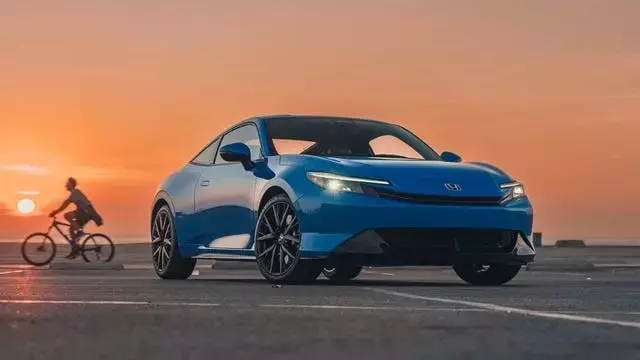
Our recent road tests in the United States, following an initial encounter with a prototype in Japan, reveal a vehicle that, mechanically, positions itself similarly to past Preludes. It functions as a premium, front-wheel-drive two-door, borrowing components from more mainstream Honda models but elevating them through distinctive design and unique combinations of features. Fundamentally, the 2026 Prelude can be viewed as a coupe variant of the Civic, integrating its efficient hybrid powertrain with chassis enhancements derived from the high-performance Civic Type R.
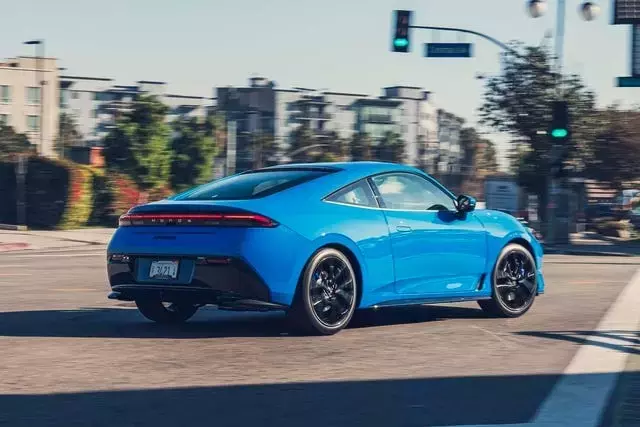
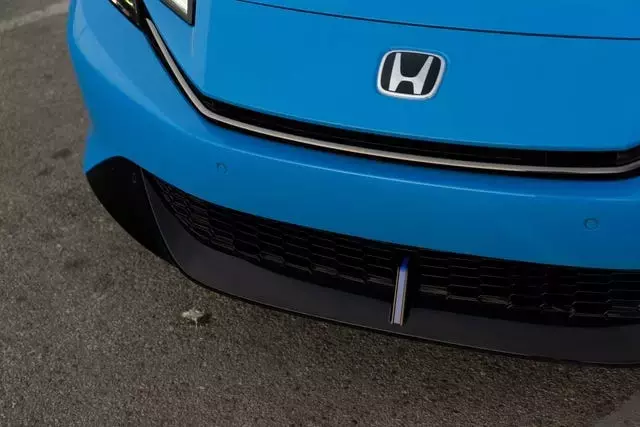
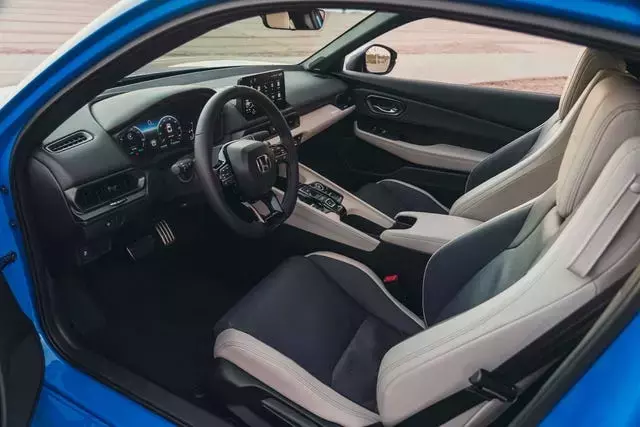
Visually, the new Prelude boasts a curvaceous silhouette that sets it apart from the current Accord and Civic lineups. Its refined interior showcases subtle yet impactful details, including retro Prelude badging, contrasting stitching on the dashboard, and optional two-tone leather upholstery for the front seating. These elements collectively contribute to a sense of elevated luxury and design.
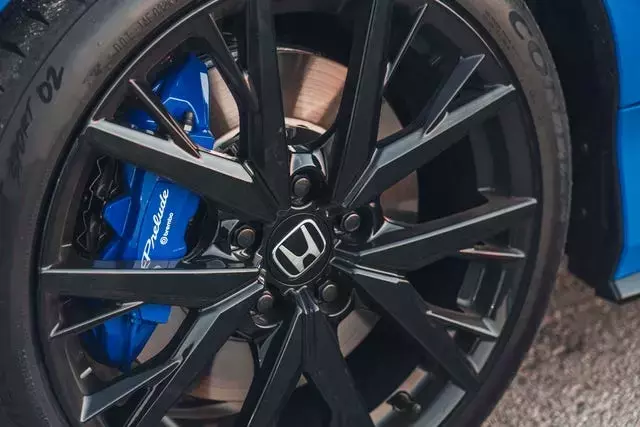
Driving the Prelude is a notably enjoyable experience, characterized by its smooth, composed, and refined handling—traits commonly associated with current Civic models. The upgraded suspension and braking systems provide enhanced responsiveness. While the adaptive dampers, offering Comfort, GT, and Sport settings, are more compliant than the Type R's Comfort mode, leading to a noticeable degree of body roll, the car remains a pleasure to drive on winding roads. Our test model, equipped with dealer-installed Continental ExtremeContact Sport 02 summer tires (an additional $1200), delivered communicative steering and eager turn-in, though the impact of standard all-season tires on these dynamics remains speculative.
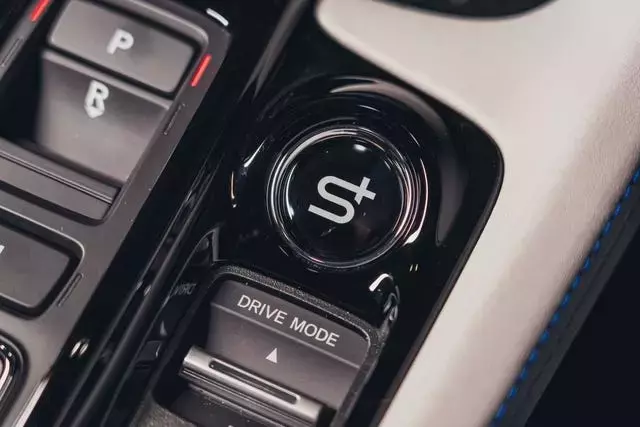
The Prelude's two-motor hybrid system, generating 200 horsepower, exhibits predictable, linear, and responsive power delivery. However, the functionality of the "S+" mode, which simulates gear shifts via paddle shifters, proved to be less engaging than anticipated. This mode, in fact, can result in slower acceleration times and, even in Sport mode with S+ engaged, the car's computer occasionally overrides manual shifts. This design choice prompts questions about the utility of a manual-like mode when the system ultimately makes autonomous decisions, leading to a longing for an authentic manual transmission experience.
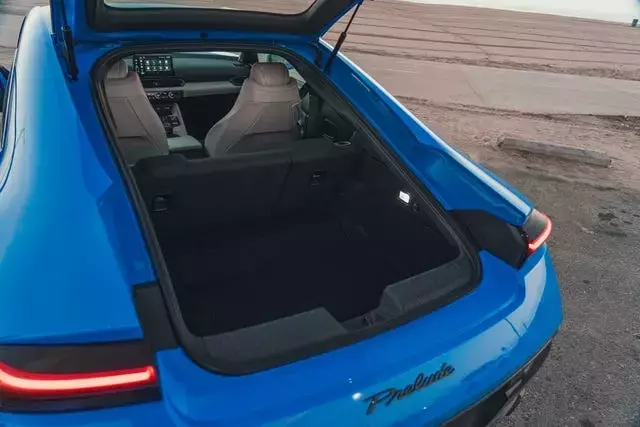
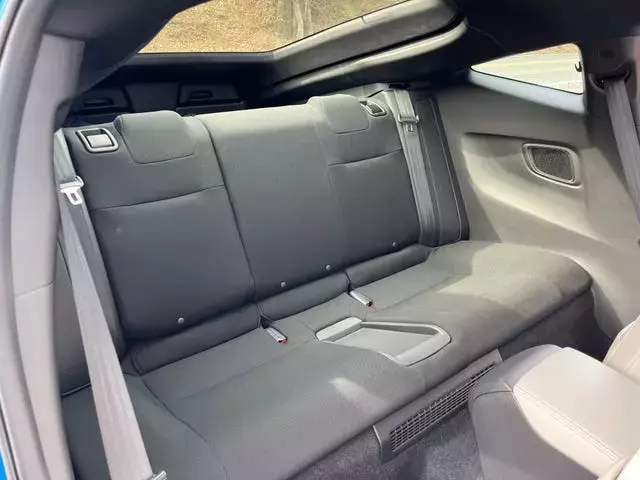
When compared against key rivals such as the Toyota GR86, Subaru BRZ, and Mazda MX-5 Miata, the Prelude faces a formidable challenge. These competitors offer rear-wheel drive, manual transmissions, and considerably lower price points, likely outperforming the Prelude in acceleration. However, the Prelude distinguishes itself with superior practicality and a more premium feel. Its small rear seats and relatively spacious cargo area offer greater versatility as a daily driver compared to the Miata. Furthermore, the Prelude’s interior quality and aesthetics represent a significant upgrade over the more utilitarian cabins of the Toyobaru twins, partially justifying its higher cost.
Honda anticipates selling approximately 4000 units annually in the U.S., acknowledging that the Prelude may not appeal to all. While it visually and tangibly aligns with the Prelude tradition within Honda's portfolio, its re-entry into a sports-compact segment now dominated by highly refined models presents a unique context. Without a true manual transmission option to appeal to purist enthusiasts, the Prelude's value proposition is tough, especially when compared to the 315-hp Civic Type R, which is not significantly more expensive. Nonetheless, the return of the Prelude is a welcome sight, signaling Honda's continued commitment to sporty coupes in its future vision.
The reintroduction of the Honda Prelude, particularly in its new hybrid form, offers a compelling moment for reflection on the evolution of sports coupes and the automotive market. While some may lament the absence of a traditional manual transmission, the decision to embrace hybrid technology aligns with broader industry trends towards electrification and efficiency. This car serves as a reminder that the definition of a "sports car" is continually expanding, blending performance with sustainability and practicality. Its existence sparks a crucial conversation about what enthusiasts truly value in a modern driving experience, balancing raw driving engagement with contemporary demands for advanced technology and environmental consciousness. The Prelude's return is not just about nostalgia; it's about pioneering a new chapter for sporty, accessible coupes in an ever-changing automotive landscape.
