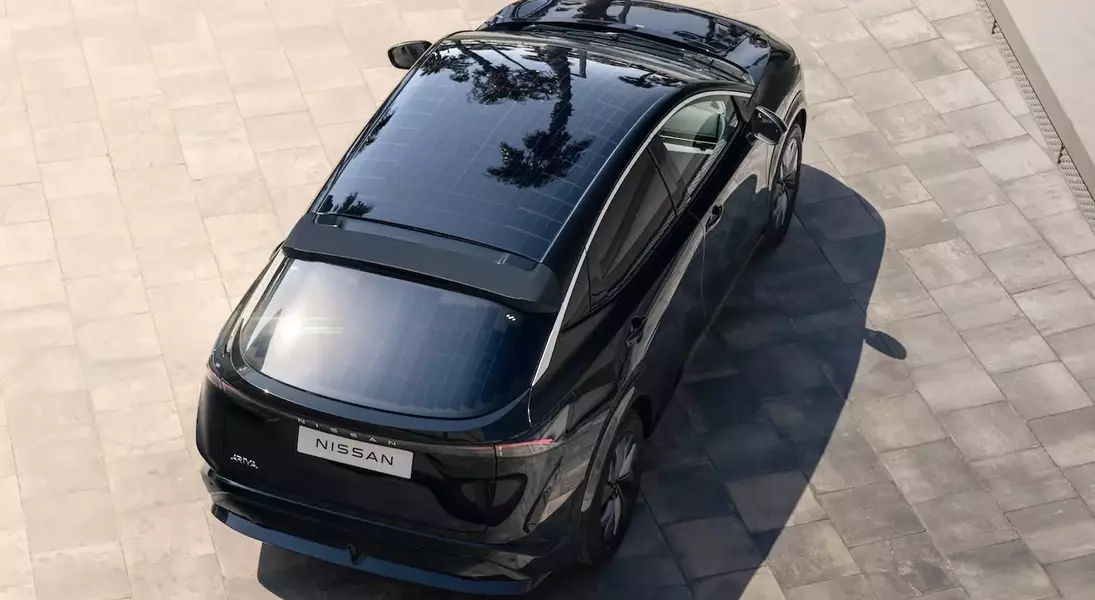
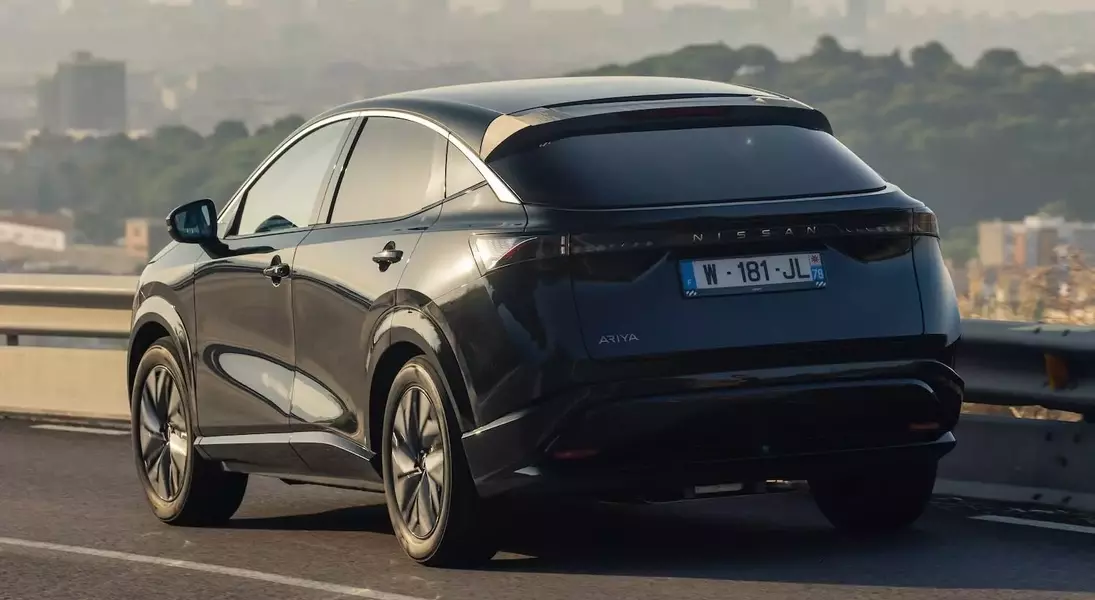
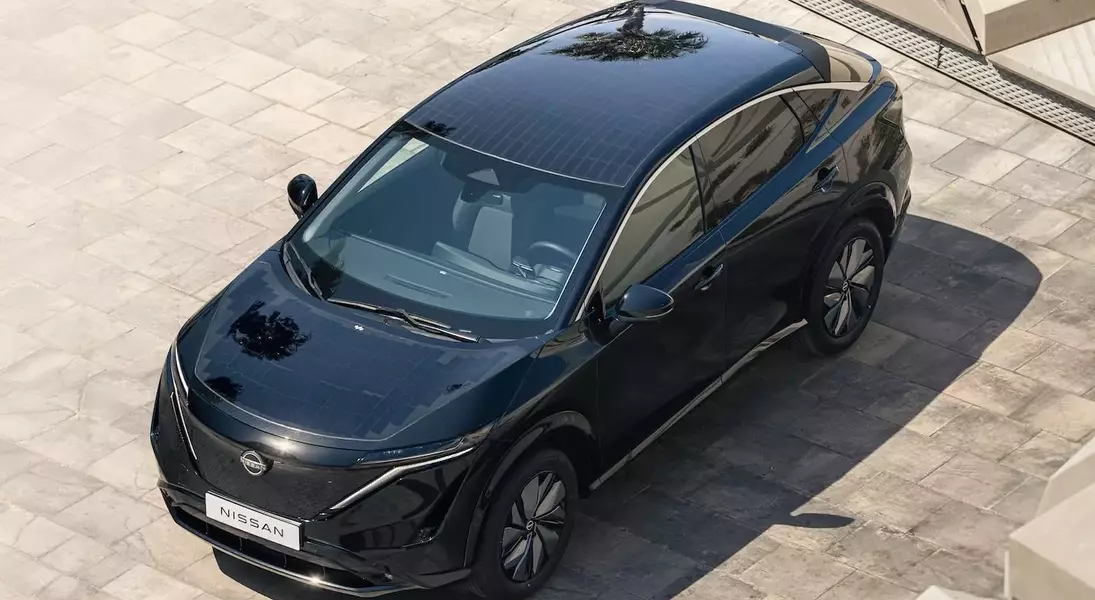
Nissan is pushing the boundaries of electric vehicle design by introducing a revolutionary concept that beautifully integrates solar panels directly into the car's bodywork. This innovative approach addresses a long-standing challenge in solar-powered vehicles: how to harness solar energy efficiently without sacrificing visual appeal or aerodynamic performance. The Ariya concept, featuring custom-shaped polymer and glass panels across its hood, roof, and tailgate, presents a vision where solar technology is a seamless part of the vehicle's aesthetic and functionality, offering a tangible increase in daily driving range and a significant reduction in traditional charging needs.
Nissan's Solar Ariya Concept: A Leap Forward in EV Technology
On January 27, 2026, Nissan introduced its latest electric vehicle concept, the solar-powered Ariya, marking a pivotal moment in the evolution of sustainable automotive technology. Unlike previous attempts where solar panels often appeared as obtrusive additions, this new design seamlessly blends the energy-generating surfaces into the vehicle's sleek contours. The Ariya concept employs approximately 41 square feet of specially designed polymer and glass solar panels, distributed across its primary exterior surfaces, including the hood, roof, and tailgate. This sophisticated integration ensures that the vehicle maintains its elegant lines and aerodynamic efficiency, challenging the perception that solar cars must resemble science fair projects.
The electricity generated by these integrated panels is directly converted into DC power, managed by a dedicated controller that operates autonomously, requiring no input from the driver. Field tests conducted by Nissan indicate that this system can contribute an additional 14.3 miles of range per day under optimal solar conditions. Even in less sunny environments, such as London, the system still provides a noticeable boost to the vehicle's power reserves. This continuous energy replenishment is projected to reduce the frequency of plug-in charging sessions by up to 65%, depending on individual driving habits, transforming solar energy from a supplementary feature into a valuable everyday asset for electric vehicle owners.
This innovative Ariya concept builds upon Nissan's earlier solar kei car prototype, the Sakura EV, by expanding the surface area for energy collection and enhancing aesthetic integration. While the Sakura featured roof-mounted panels that were somewhat conspicuous, the Ariya's design represents a more refined and comprehensive integration. Despite its impressive advancements and the mainstream appeal of the Ariya model, Nissan emphasizes that this remains a concept. Critical considerations such as production costs, panel durability, and repair complexities for integrated solar body sections are still being evaluated, posing significant questions for its eventual mass production. Nonetheless, this prototype offers an exciting glimpse into the future of electric mobility, demonstrating a harmonious blend of sustainable technology and cutting-edge design.
The unveiling of Nissan's solar-powered Ariya concept ignites a compelling conversation about the future of electric vehicles and sustainable energy. This innovation underscores the importance of thoughtful design in accelerating the adoption of green technologies. By proving that functionality and aesthetics can coexist, Nissan inspires other manufacturers to reconsider conventional approaches to integrating renewable energy sources. This development suggests a future where vehicles not only consume less energy but actively generate it, pushing us closer to a truly self-sustaining transportation ecosystem. While the path to mass production is often fraught with challenges, this concept lights the way for more elegant, efficient, and environmentally friendly automotive solutions.
