
Volvo has long been celebrated for its commitment to safety and practical design, particularly evident in its renowned station wagon lineup. However, a significant shift is on the horizon for the American market, as the Swedish automaker plans to cease sales of its traditional wagons, including the V60 and V90 Cross Country models, after the 2026 model year. This decision marks the end of an era for a brand that has made the station wagon a cornerstone of its identity. This retrospective embarks on a nostalgic journey through the diverse forms Volvo wagons have taken over the decades, celebrating their enduring appeal and innovative spirit.
The Illustrious Evolution of Volvo Wagons
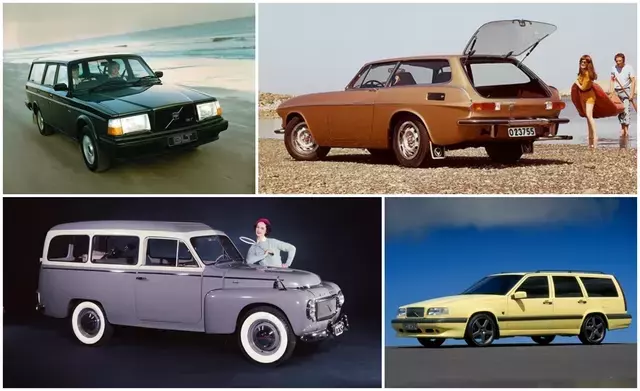
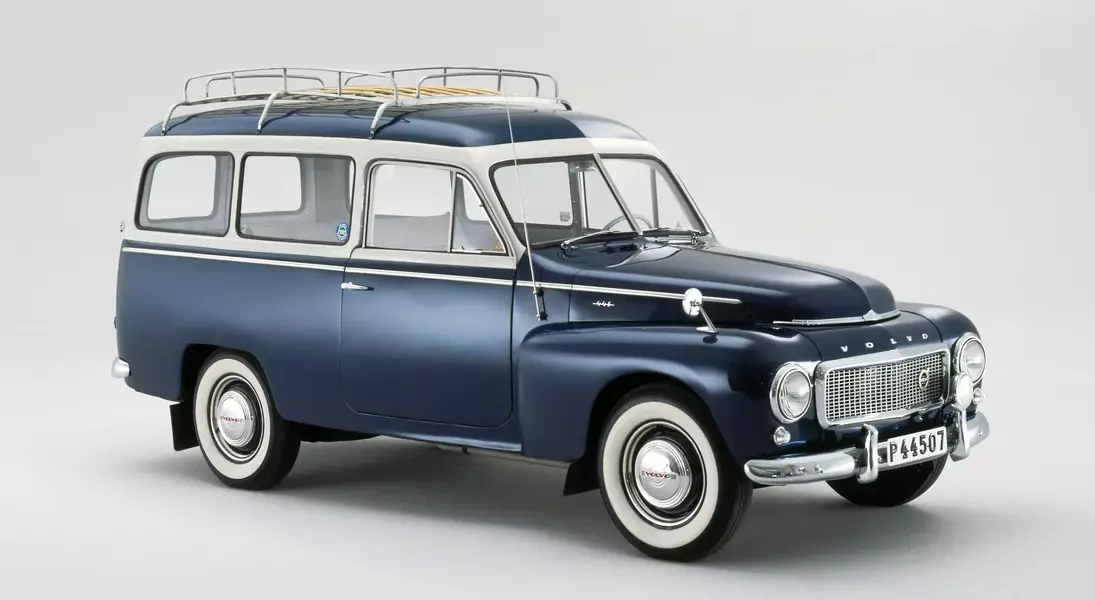
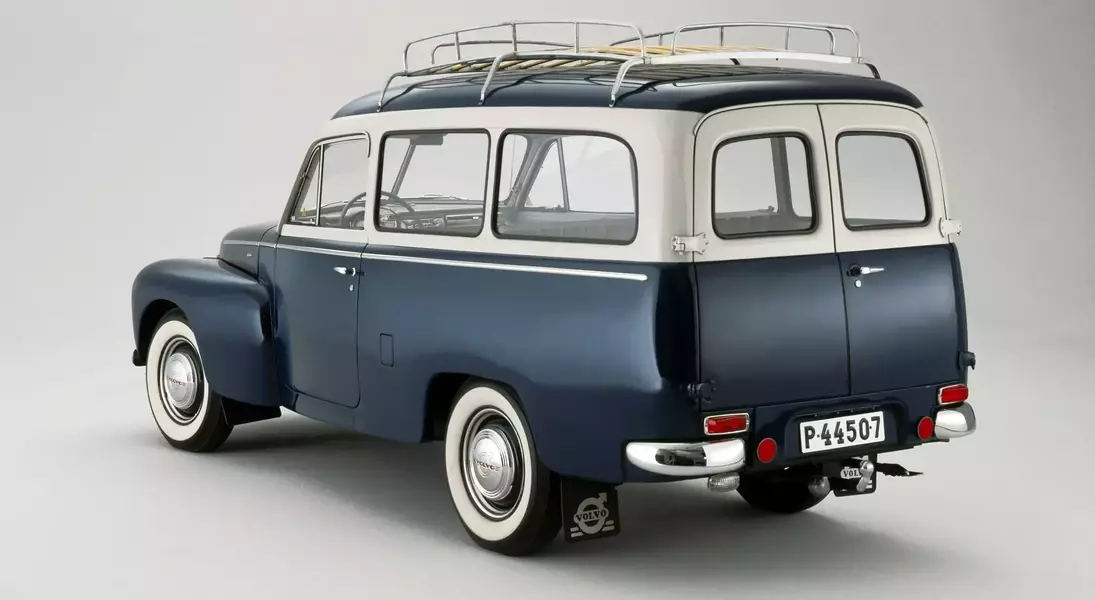
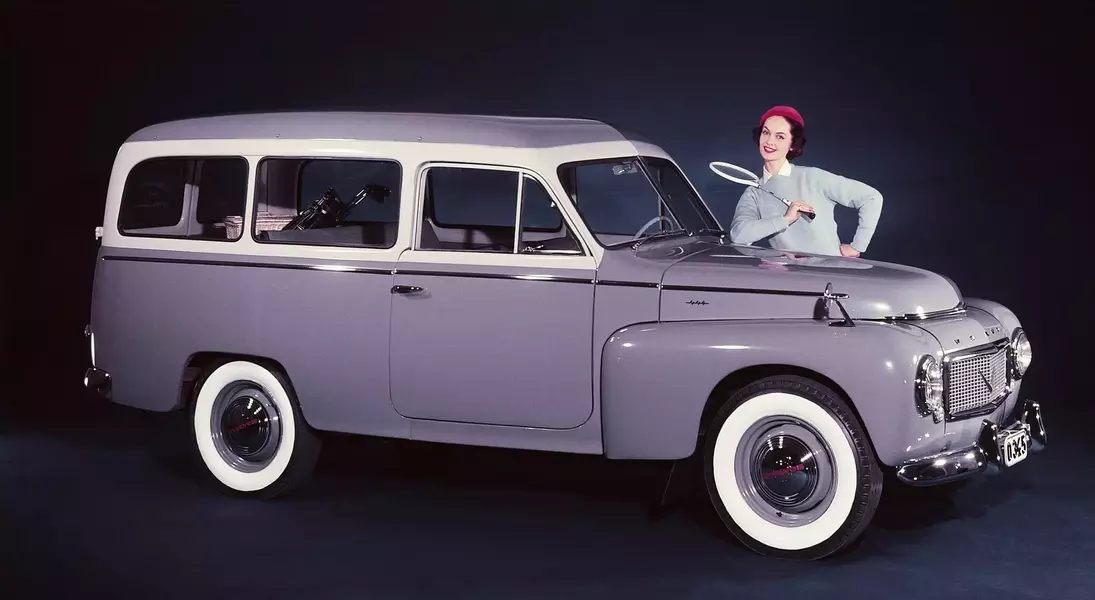
The story of Volvo's wagons began with the venerable PV445 Duett. Introduced in 1949, this groundbreaking vehicle was one of the earliest Volvos to reach American shores. Its clever design, offering both utility for work during the week and comfort for family outings on weekends, was even commemorated on a Swedish postage stamp in 1997. Distinctive features like its split windshield and stylish whitewall tires made it an instant classic. The Duett's robust construction and practical split rear doors, though later replaced by a more conventional tailgate in subsequent models, continue to resonate with vintage vehicle enthusiasts in the outdoor sports community today.
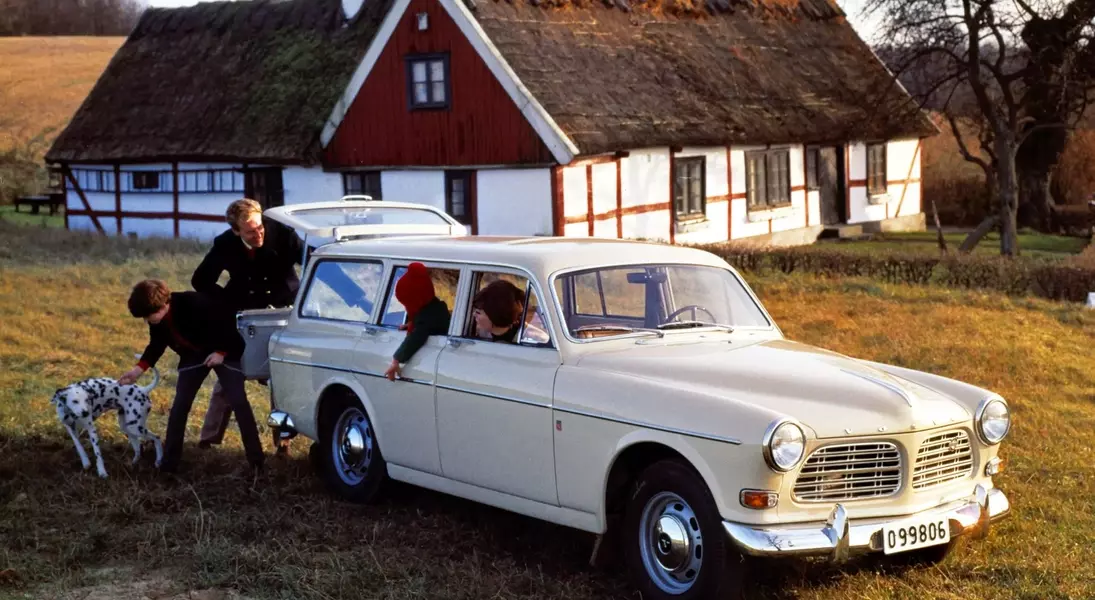
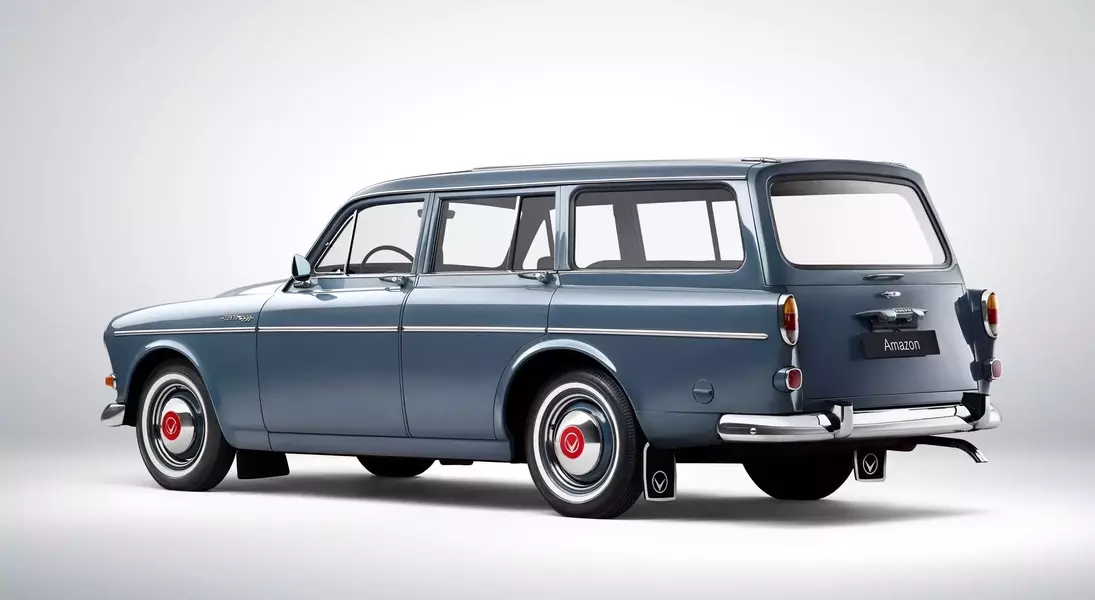
Following the Duett, the P220 Amazon made its grand debut at the Stockholm Motor Show in February 1962. This model played a pivotal role in expanding Volvo's global presence. Based on the 121/122S sedan, the Amazon boasted significant enhancements in equipment and refinement. Initially equipped with a 109-cubic-inch inline four-cylinder engine, which later grew to 121 cubic inches, the Amazon also transitioned from drum brakes to disc brakes in its later iterations. This period also saw the introduction of four-door Volvo wagons, marking an evolution in design and functionality.
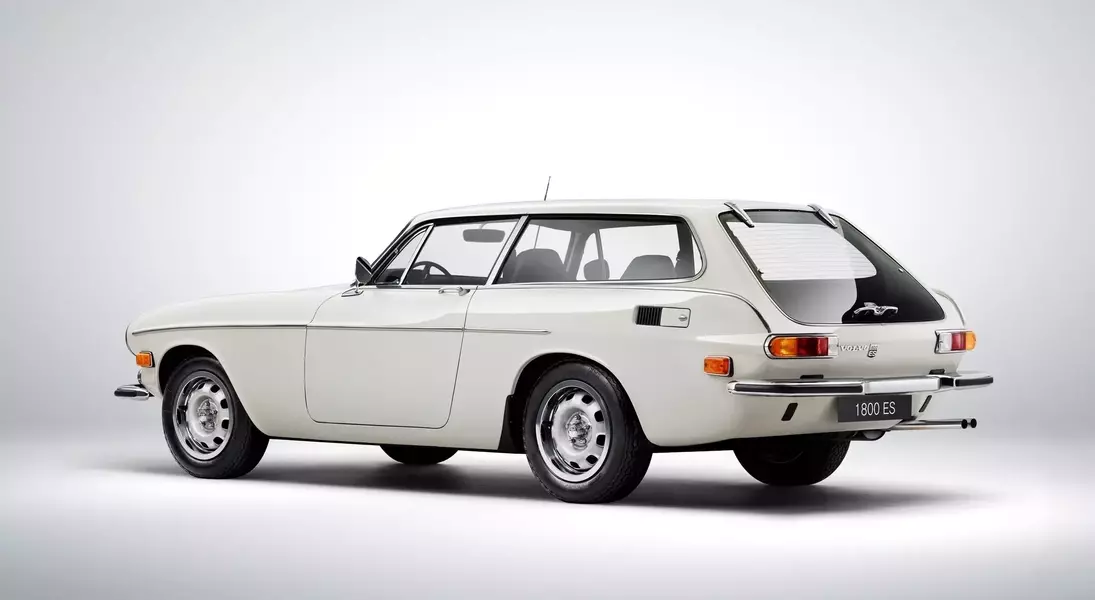
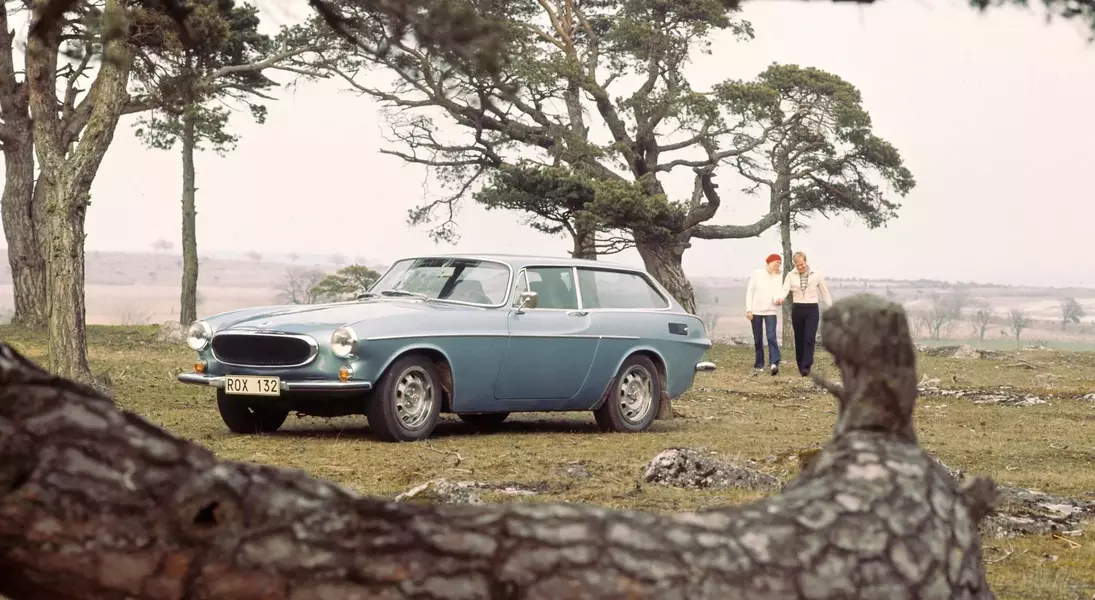
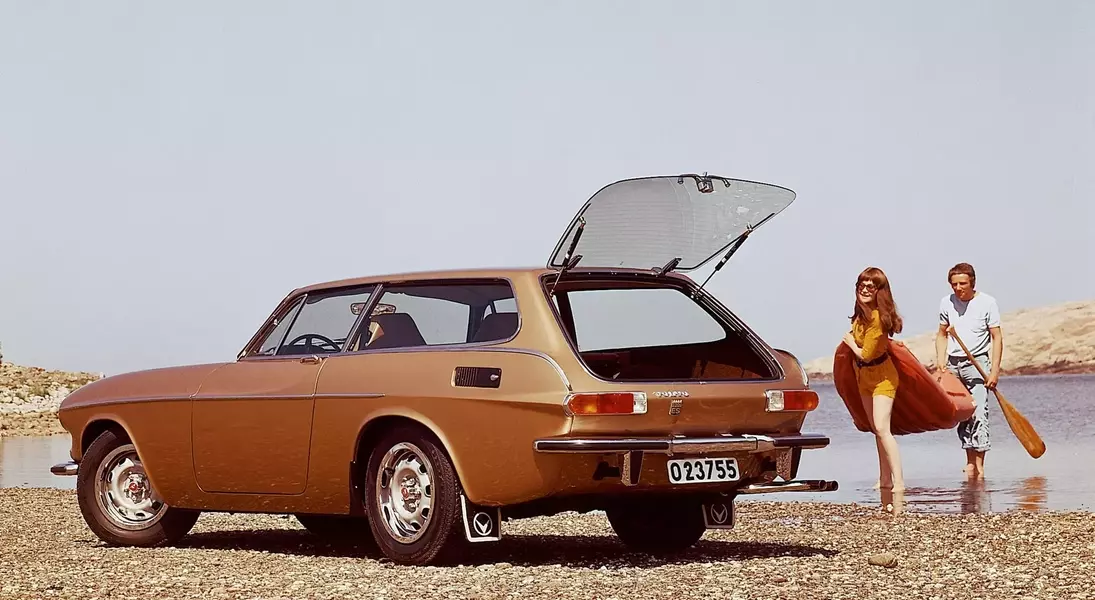
In the autumn of 1971, Volvo introduced the elegant 1800ES, a stylish revamp of the P1800 sports coupe. Recognized for its expansive glass hatch and minimalist Swedish aesthetic, the 1800ES offered various transmission options, including a four-speed manual with overdrive and a three-speed automatic. Unlike its Amazon predecessor, the 1800ES featured disc brakes on all four wheels. Despite its innovative design, the 1800ES's production was curtailed after just two model years (1972 and 1973) due to escalating global safety regulations, particularly in the U.S., making compliance costs prohibitive. Only 8078 units were ever produced, lending it a rare allure.
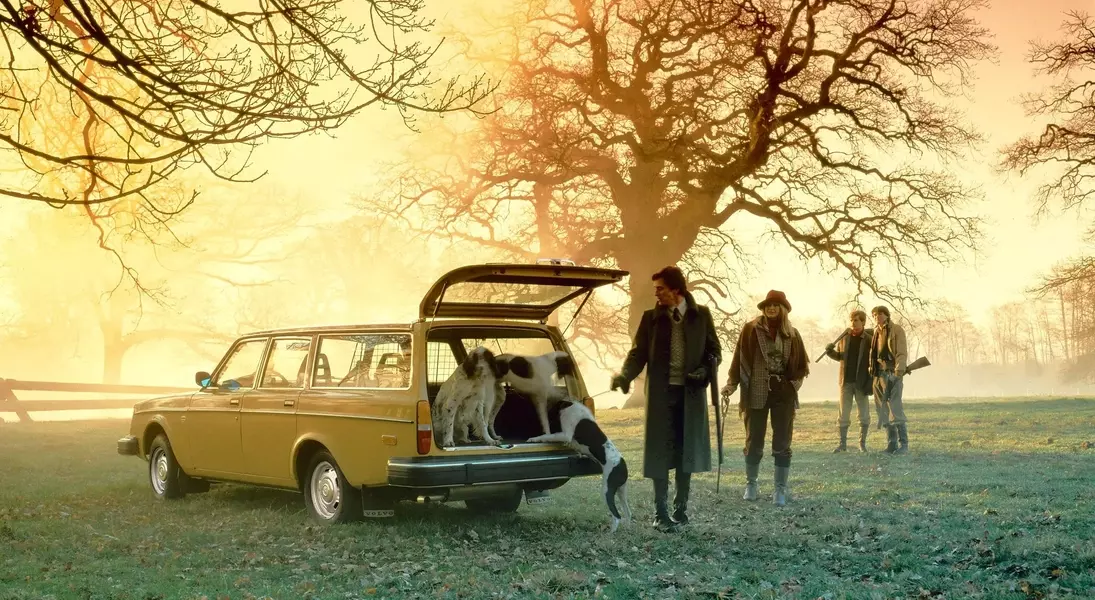
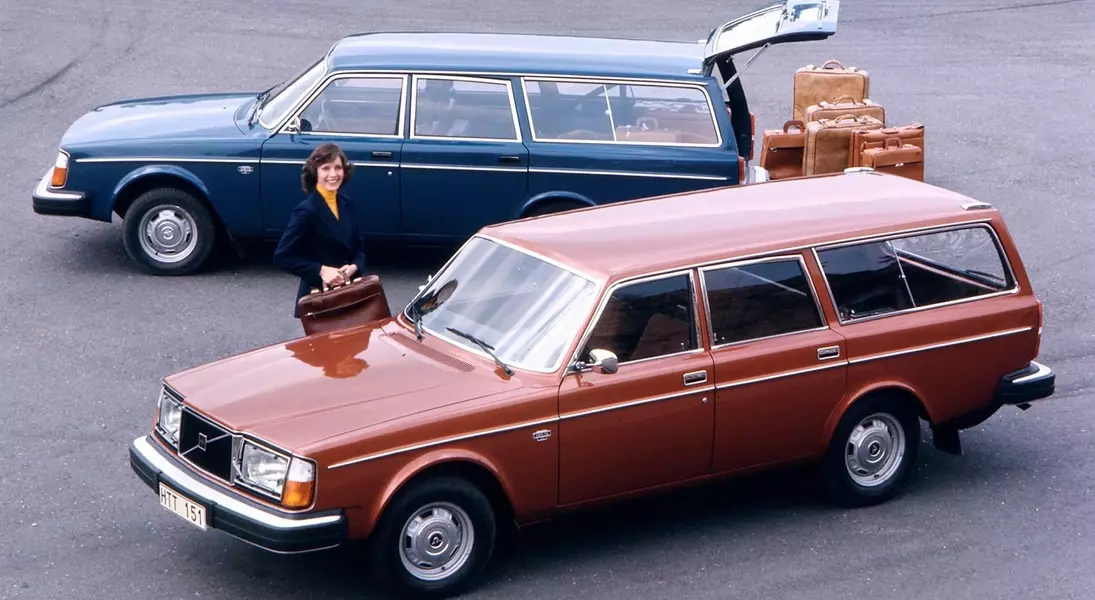
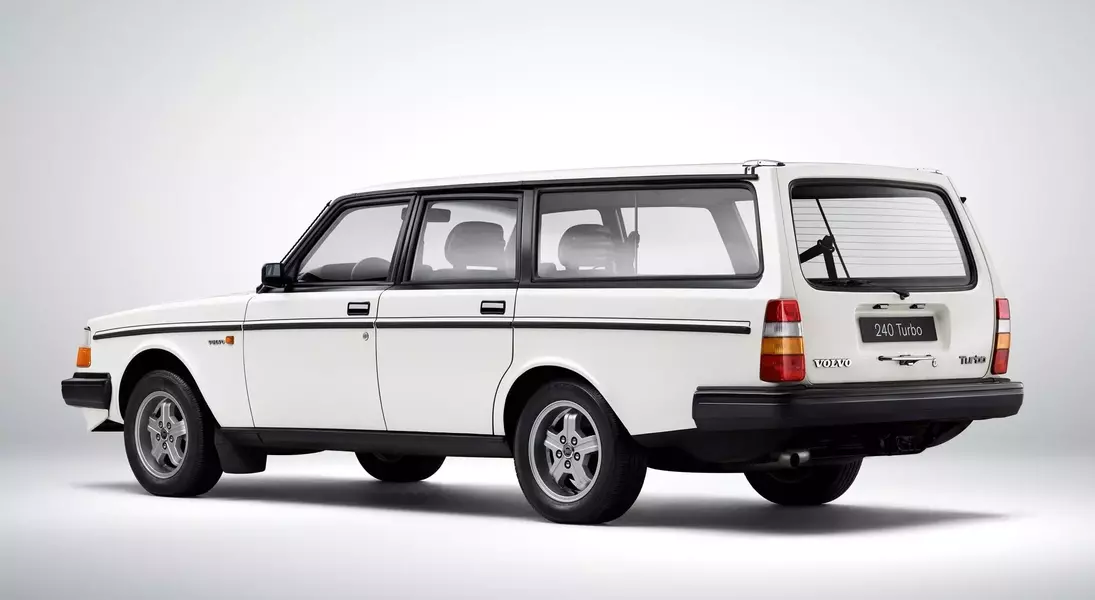
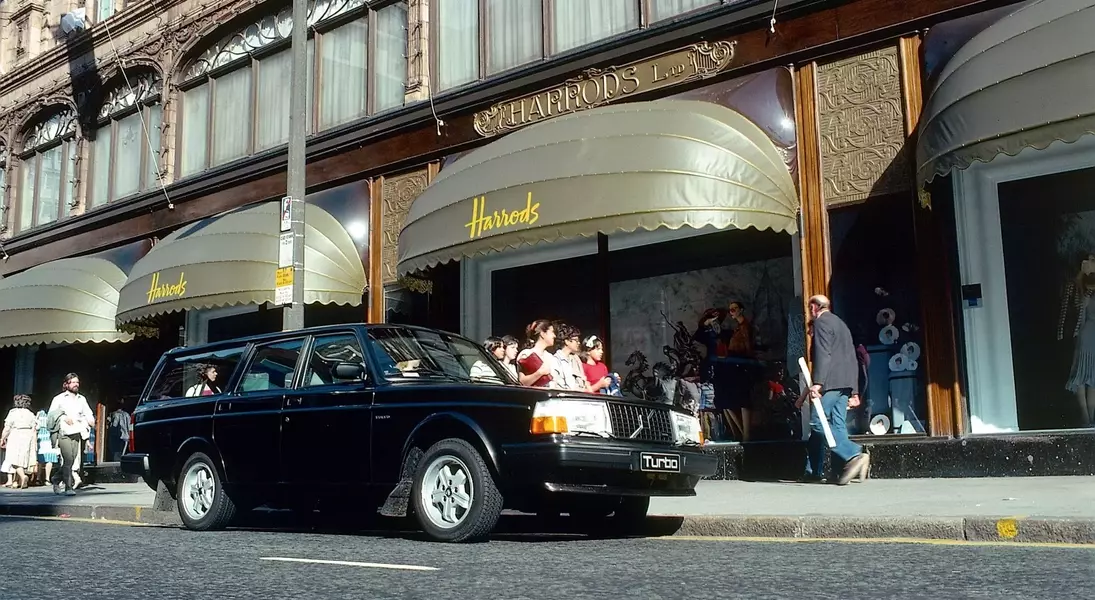
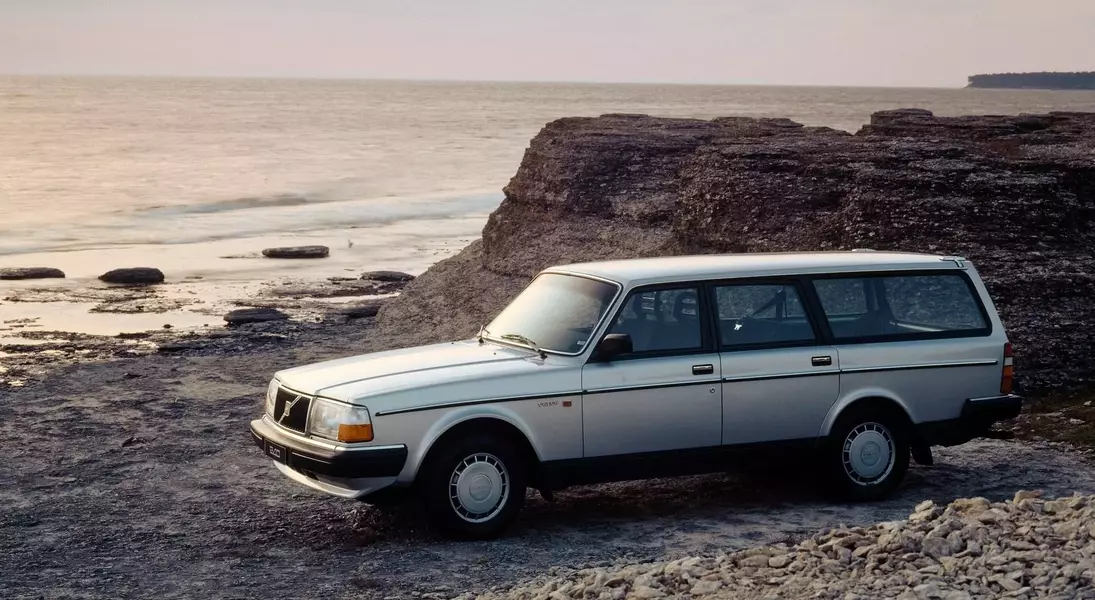
For many Americans, the 245 station wagon, manufactured from 1974 to 1993, became the quintessential Volvo wagon of their formative years. Renowned for its unparalleled safety features, the 240 series, including the 245, was reportedly utilized by U.S. government authorities as a benchmark for safety regulation development. The introduction of the turbocharged 245 in 1981 further cemented Volvo's reputation, famously touted as one of the world's fastest wagons. Over its two-decade production run, the 245 received two significant facelifts and offered engine choices including a V-6 (badged as the 265) and diesel variants.
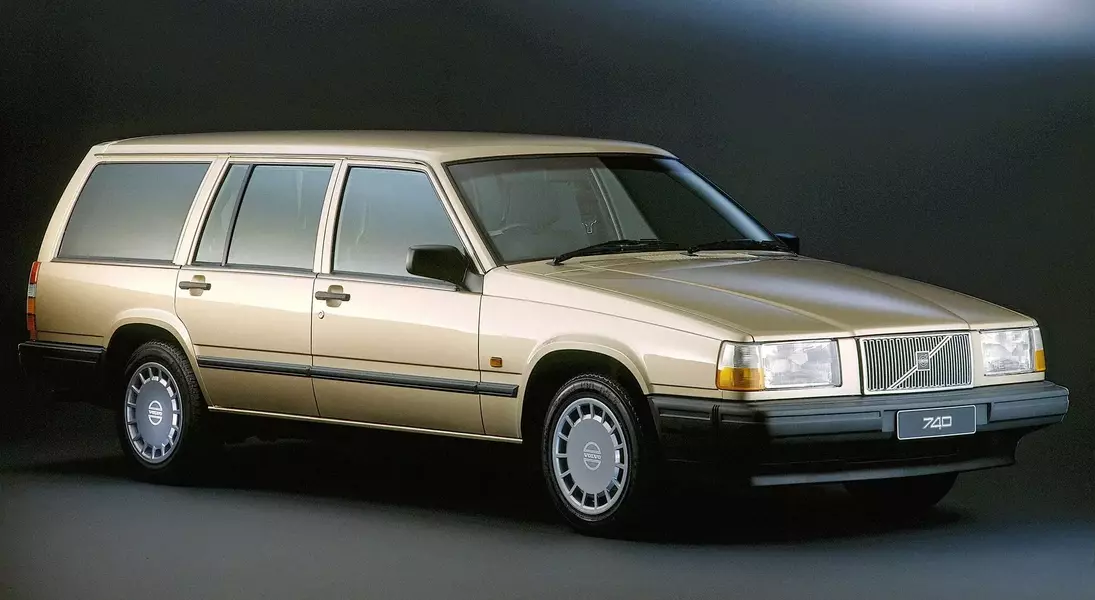
The mid-1980s saw the arrival of the 740/760 series. The wagon variant, released in 1985, elegantly surpassed its sedan counterpart in aesthetic appeal. Available with either a 114-hp naturally aspirated 2.3-liter inline-four or a potent 160-hp turbocharged and intercooled version, the 740 Turbo wagon was so formidable it inspired Volvo's ambitious marketing campaigns, comparing it favorably to contemporary sports cars. This series was eventually succeeded by the 900-series in the early 1990s.
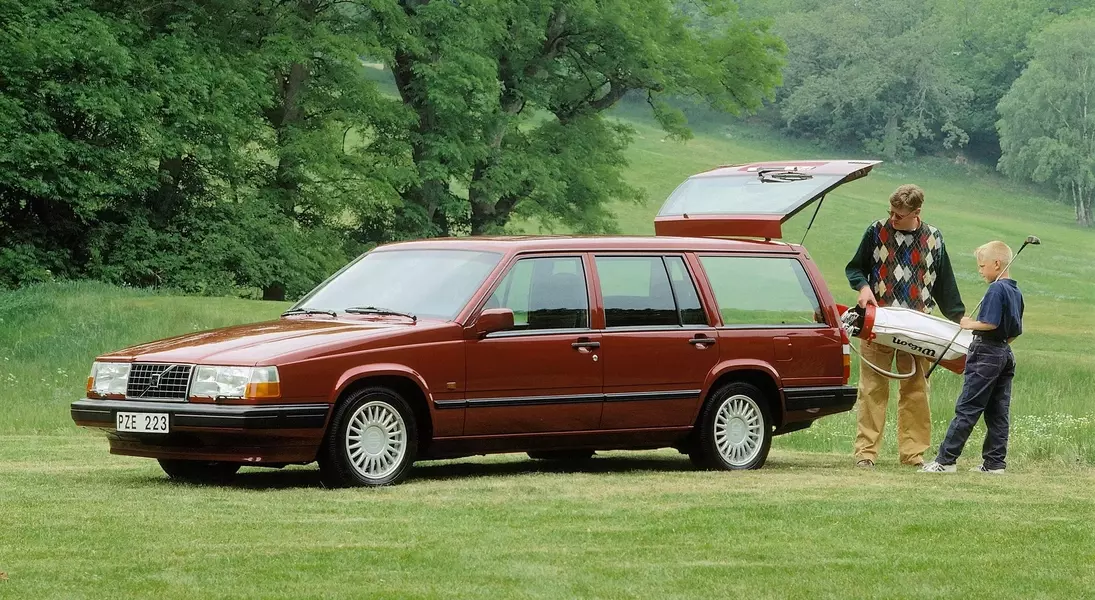
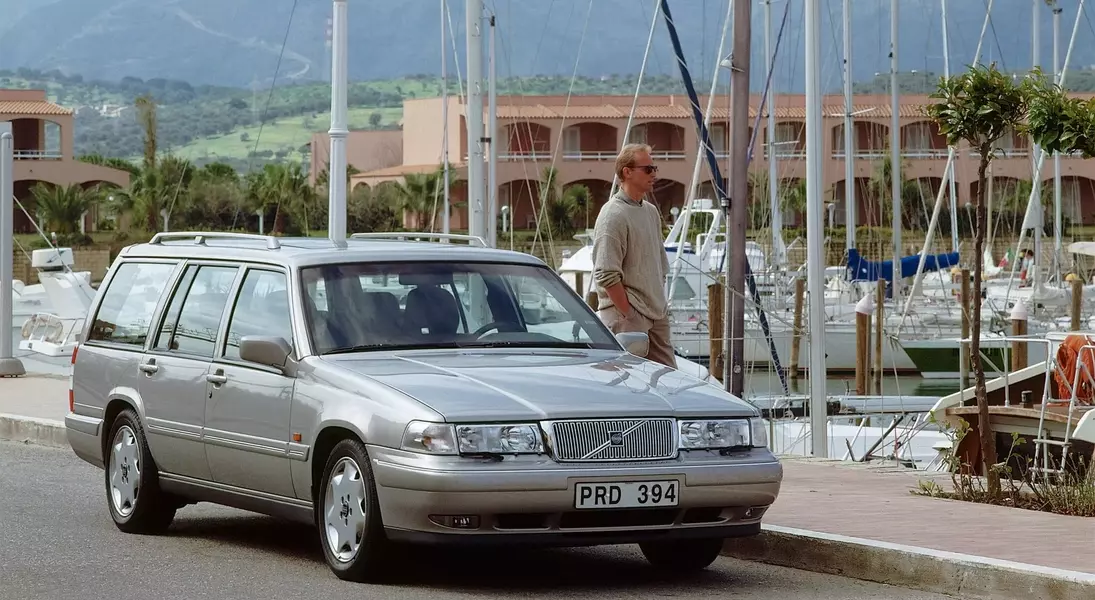
The 940/960 series, launched in 1990, introduced pioneering safety features such as a three-point inertia-reel seatbelt and adjustable head restraints for the middle rear seat, alongside an optional integrated child seat. The more luxurious 960 boasted an all-new inline-six engine and underwent a comprehensive redesign in 1995. In some markets, including the U.S., the 960 was rebranded as the V90.
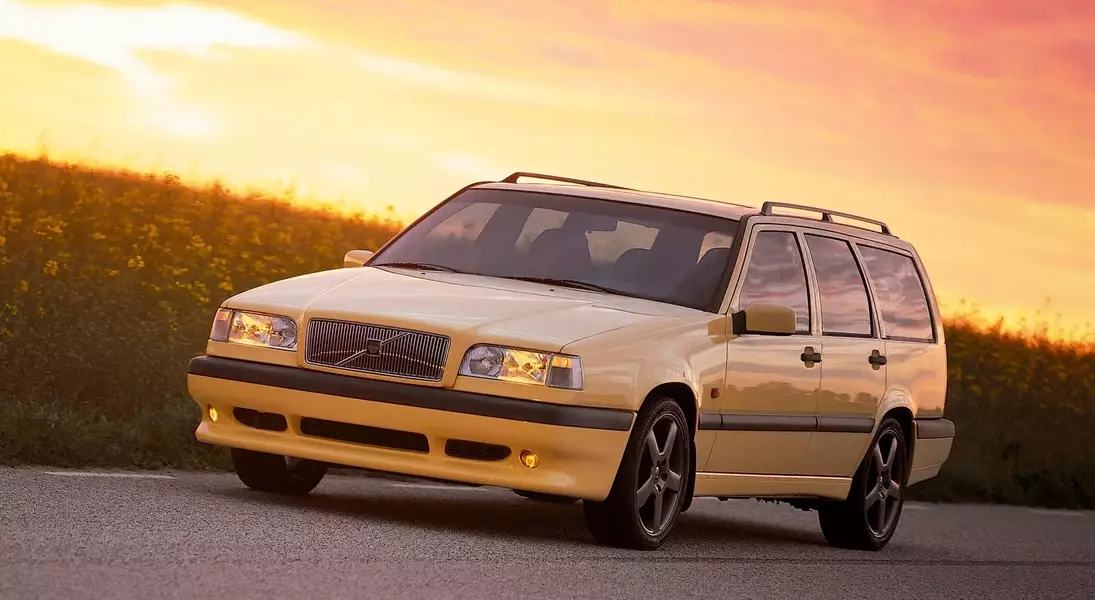
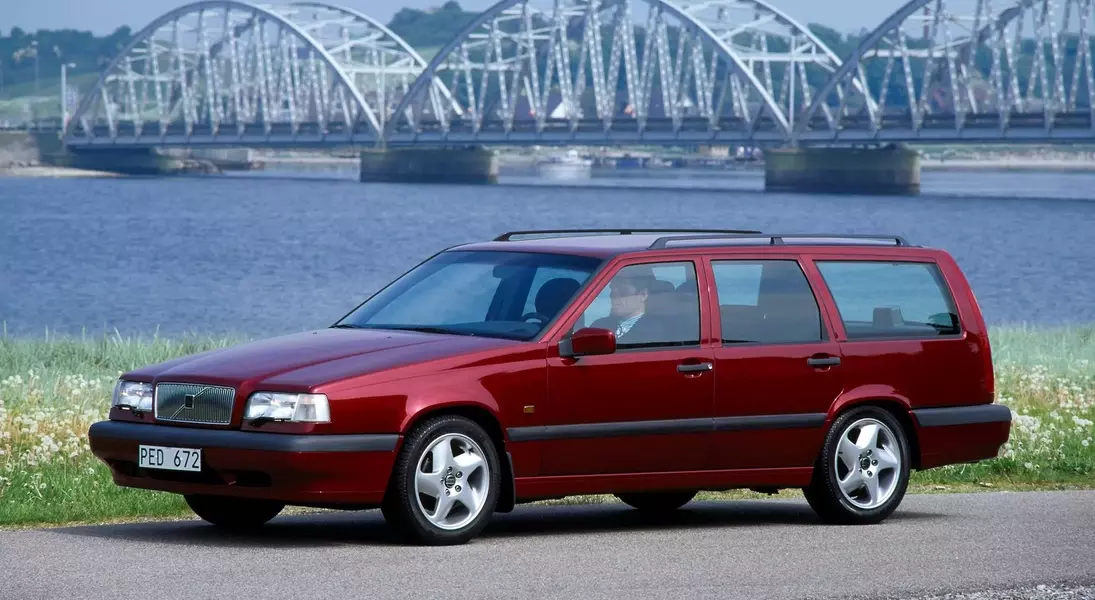
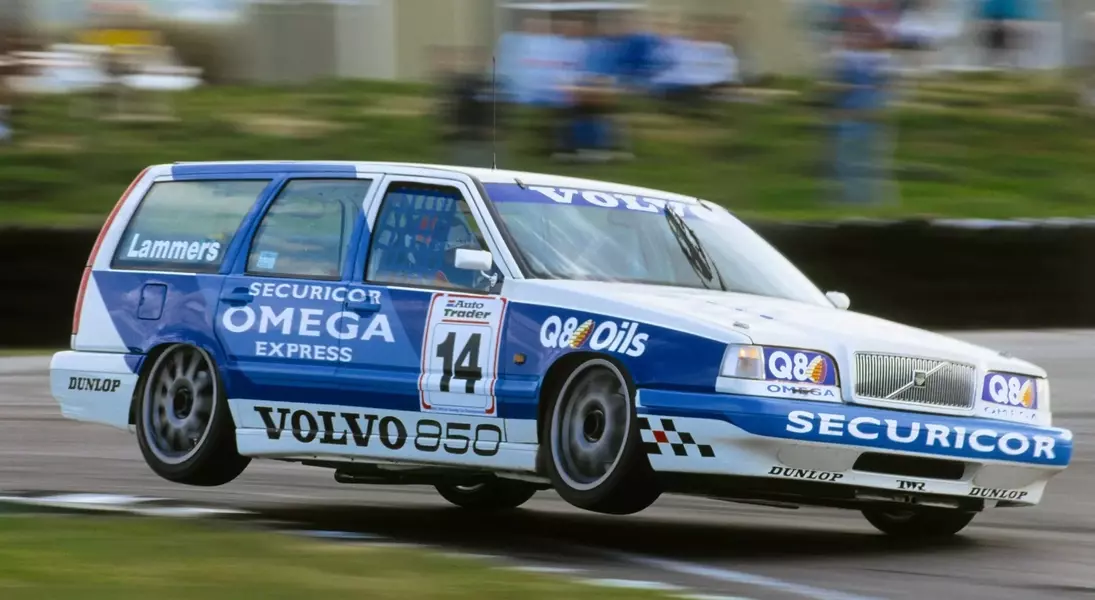
A significant technological leap occurred with the Volvo 850, debuting in 1992. This marked Volvo's first front-wheel-drive vehicle sold in America and featured a transversely mounted inline-five engine. The 850 wagon, which arrived in 1993, came standard with a suite of safety equipment, including anti-lock brakes, side-impact beams, and a built-in child seat. The high-performance 222-hp 850 Turbo was released the following year, followed by the limited-edition 850 T5-R in 1995, a vehicle influenced by Volvo's participation in the British Touring Car Championship. The T5-R, with its 240 horsepower, achieved an impressive 0-60 mph time of 6.7 seconds in testing, instantly becoming a collector's item.
The discontinuation of Volvo's station wagons in the United States signals a profound shift in the automotive landscape and consumer preferences. While the move towards SUVs and electric vehicles is understandable, it leaves a void for enthusiasts who cherished the unique blend of practicality, safety, and understated elegance that defined Volvo wagons. This transition invites us to reflect on the legacy of these vehicles, which not only transported families safely for generations but also redefined what a practical car could be. It prompts a contemplation of whether the essence of the wagon, its harmonious balance of form and function, will find new expression in future vehicle designs, or if it will gradually fade into the annals of automotive history as a beloved, yet bygone, icon.
