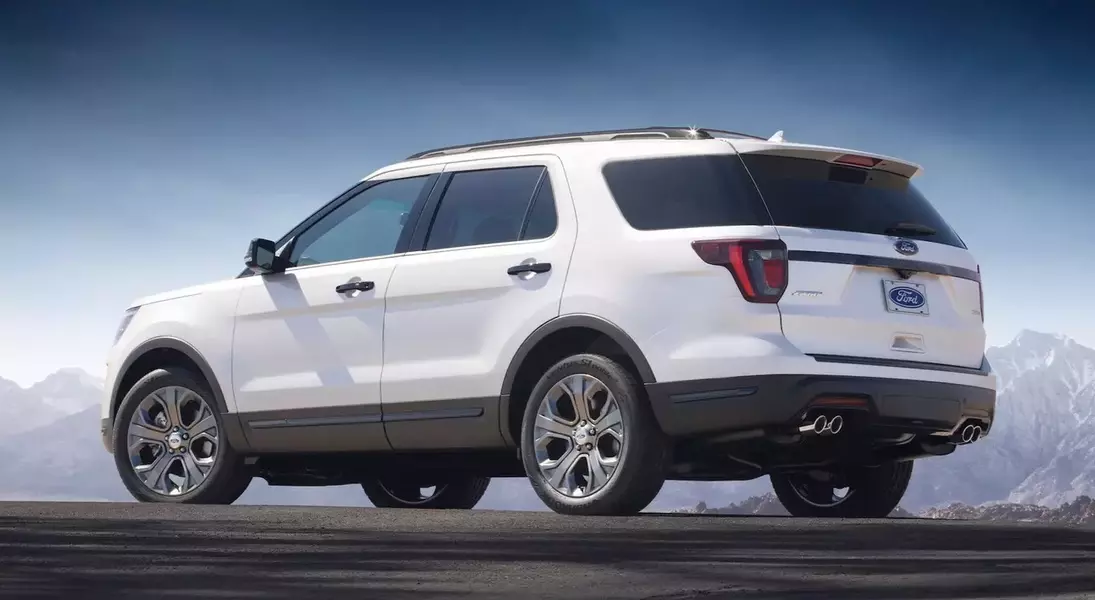
Ford Motor Company has announced a significant recall affecting more than 412,000 Explorer SUVs. The recall addresses a critical safety issue involving the rear suspension toe links, which may fracture under specific operating conditions. This defect could severely compromise steering control, elevating the potential for vehicle crashes. The company is actively working to replace the faulty components with improved designs to enhance vehicle safety and prevent further incidents.
This is not the first instance of Ford recalling Explorer models for suspension problems, highlighting ongoing concerns with the durability of certain components. The National Highway Traffic Safety Administration (NHTSA) has been involved in the investigation, prompted by reports of steering loss in affected vehicles. Ford's proactive measure aims to mitigate risks, ensuring the safety and reliability of its vehicles for all consumers.
Ford Initiates Recall for Explorer Suspension Issues
Ford Motor Company is recalling a substantial number of 2017-2019 Explorer SUVs, totaling 412,774 vehicles, due to a critical defect in the rear suspension system. The primary concern lies with the rear suspension toe links, which have shown a propensity to fracture. Such a failure can result in an abrupt loss of steering control, thereby considerably increasing the likelihood of an accident. While the precise root cause of these fractures remains under active investigation by Ford, preliminary findings suggest that the ball joints, supplied by SAF, may be seizing. This seizure appears to exert undue bending forces on the toe links, leading to their eventual failure. The automaker plans to notify affected owners in the coming weeks and will replace the implicated toe links with newly designed, more resilient parts engineered to withstand the suspected stresses more effectively. This proactive step underscores Ford's commitment to vehicle safety, aiming to prevent potential hazards on the road before they lead to serious incidents.
The recall specifically targets Explorer models from the 2017 to 2019 production years that are equipped with cross-axis ball joint components from SAF. The investigation was prompted by inquiries from the National Highway Traffic Safety Administration following several reports of steering control loss linked to these fractures. Although Ford has not confirmed any injuries directly resulting from this specific issue, there have been at least two documented cases where vehicles struck road barriers after experiencing toe link failures. These incidents reinforce the severity of the defect and the urgency of the recall. The repair process will involve installing enhanced toe links that offer greater resistance to potential ball joint seizure and subsequent fracturing, ensuring a more durable and safer suspension system. This action also follows a previous recall in 2021 for similar issues in earlier Explorer models, indicating a recurring problem that Ford is now addressing with a more robust solution across affected vehicle generations.
Ensuring Vehicle Safety Through Enhanced Components
The core of Ford's latest recall strategy for the Explorer SUVs centers on upgrading the rear suspension toe links to prevent steering control loss. This initiative involves replacing the potentially faulty components with newly engineered parts that are specifically designed to be more resistant to the issues observed with the original SAF-manufactured cross-axis ball joints. The objective is to eliminate the risk of fractures that can occur when these ball joints seize, leading to a dangerous bending moment on the toe links. By reinforcing these critical suspension elements, Ford aims to significantly improve the safety profile of the affected 2017-2019 Explorer models, ensuring that drivers maintain full control over their vehicles under all operating conditions. This measure is a direct response to a series of reported incidents and the ongoing investigation, emphasizing a commitment to addressing safety concerns proactively and comprehensively.
Owners of the affected Explorer vehicles can expect to receive official notification from Ford in the near future, detailing the steps for arranging the necessary repairs. The replacement parts will feature a design that enhances their structural integrity and resilience against the conditions believed to cause the fractures. This upgrade is crucial for restoring confidence in the reliability and safety of these popular SUVs. The current recall highlights the persistent challenges in vehicle manufacturing and the importance of continuous monitoring and corrective actions to ensure public safety. Ford's prompt action to implement a solution, despite the ongoing investigation into the precise failure mechanism, demonstrates an earnest effort to protect its customers. This measure will not only fix the immediate defect but also contribute to a broader understanding of component stresses and material durability in automotive applications, potentially influencing future design and manufacturing practices across the industry.
