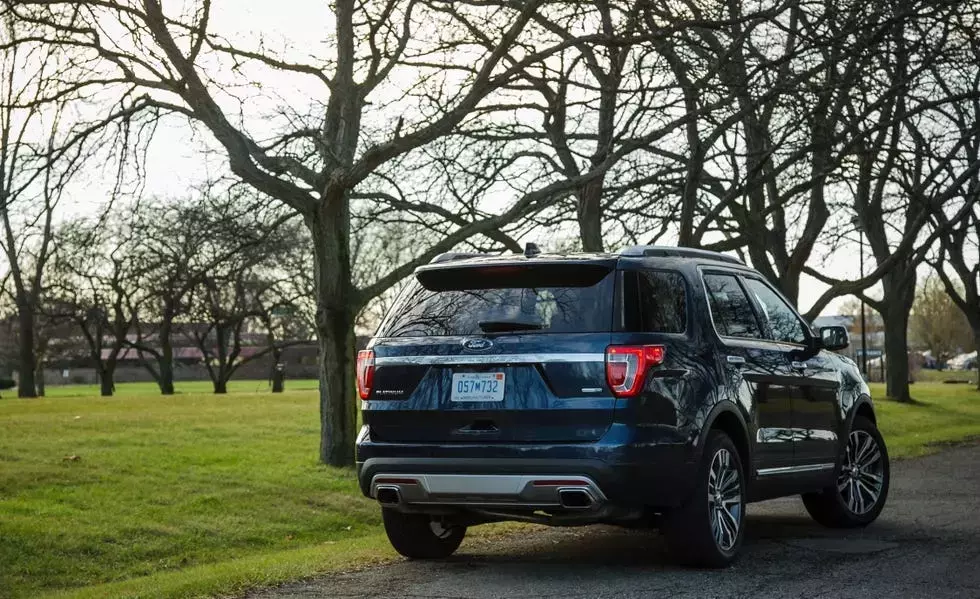

Ford is proactively addressing a critical safety concern by recalling more than 412,000 Explorer vehicles manufactured between 2017 and 2019. This extensive recall aims to rectify a defect in the rear suspension's toe links, which poses a potential risk to steering control and overall vehicle stability. The company emphasizes its commitment to driver safety, implementing a comprehensive plan to replace these faulty parts with enhanced, more durable components. While two minor accidents have been reported in connection with this issue, fortunately, no injuries have occurred, highlighting the urgency and importance of this recall.
Owners of the affected Ford Explorer models can expect to receive official notification by March 13, 2026. Upon receiving this notice, they are strongly encouraged to schedule an appointment with an authorized Ford dealership. During this visit, certified technicians will meticulously inspect the rear suspension system and replace the original toe links with newly designed, corrosion-resistant parts. This measure is crucial for ensuring the long-term safety and reliability of their vehicles, allowing drivers to regain full confidence in their Explorers' handling and performance on the road.
Ford Addresses Rear Suspension Issues in Explorer Models
Ford has announced a significant recall affecting over 412,000 Explorer vehicles produced between 2017 and 2019. The primary concern lies with the rear toe links, which have been identified as susceptible to failure. This structural vulnerability can compromise the vehicle's steering control, increasing the risk of accidents. Although two minor incidents have been linked to this defect, no injuries have been reported, prompting Ford to take immediate action to prevent future occurrences. The company is committed to ensuring the safety of its customers by replacing the problematic components with more robust alternatives.
The affected Explorer models are equipped with rear toe links that, under certain conditions, may fracture, leading to a significant reduction in steering capability. While Ford continues to investigate the root cause, initial assessments suggest that cross-axis ball joints may seize, causing the toe link to bend and eventually break. To mitigate this risk, Ford will replace the original toe links with redesigned versions that offer improved strength and enhanced resistance to corrosion. This upgrade aims to prevent the ball joints from seizing, thereby maintaining the integrity of the suspension system and ensuring predictable vehicle handling. Owners will be notified by March 13, 2026, and are urged to visit an authorized dealer for this essential repair, which can also be verified via the NHTSA recall website.
Enhancing Vehicle Safety Through Component Replacement
The recall underscores Ford's dedication to vehicle safety, as it addresses a critical flaw in the rear suspension system of certain Explorer models. The replacement of the existing rear toe links with stronger, more corrosion-resistant components is a proactive measure designed to eliminate the potential for steering control loss. This preventative action is vital for maintaining the structural integrity of the suspension and ensuring that drivers can navigate safely. The improved parts are engineered to withstand stress and environmental factors more effectively, reducing the likelihood of component failure and enhancing the overall safety profile of the recalled vehicles.
Ford's comprehensive recall strategy includes a thorough replacement process to ensure that all affected vehicles receive the necessary upgrades. The new toe links are specifically designed to counter the issues identified in the original parts, such as susceptibility to fracture and corrosion. By installing these reinforced components, Ford aims to provide a lasting solution that prevents potential accidents and safeguards drivers and passengers. Owners are advised to promptly respond to the recall notification and have their vehicles serviced at a Ford dealership, where expert technicians will perform the replacement using certified parts, thereby restoring confidence in the Explorer's performance and safety standards.
