
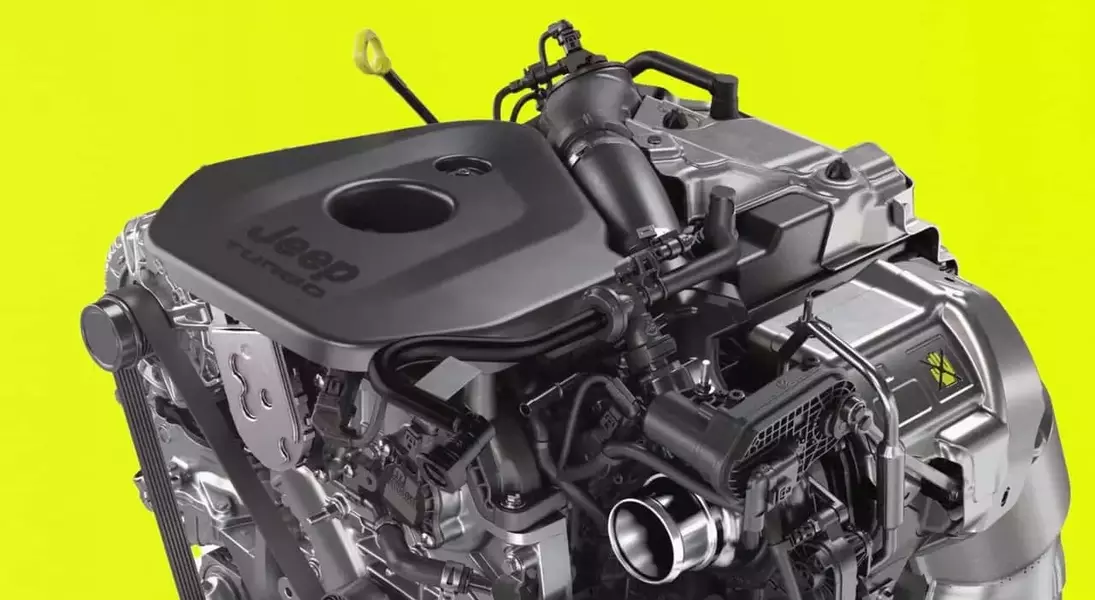

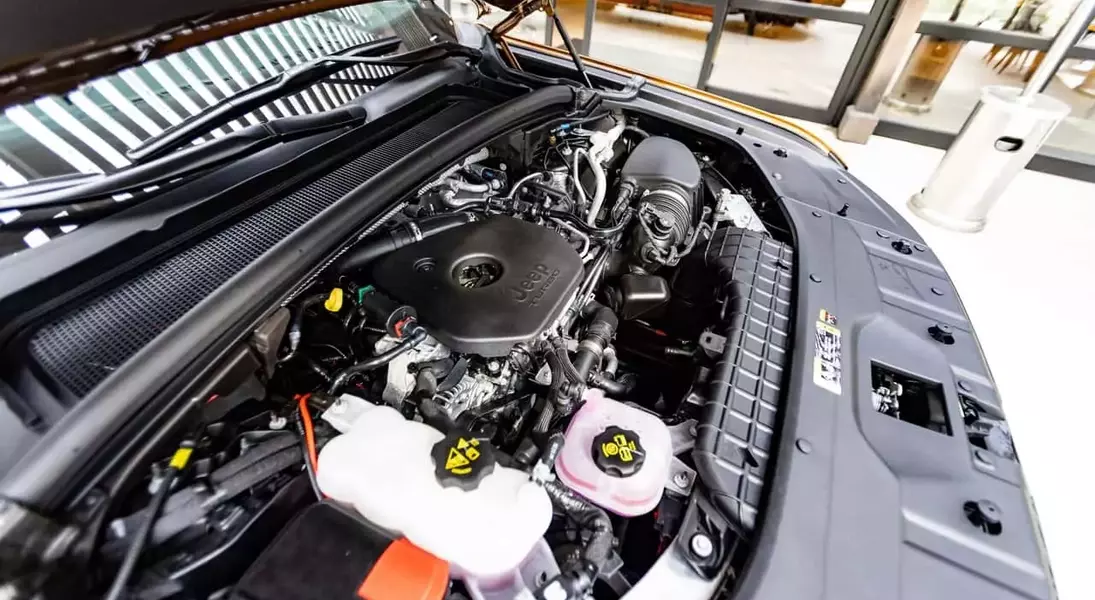

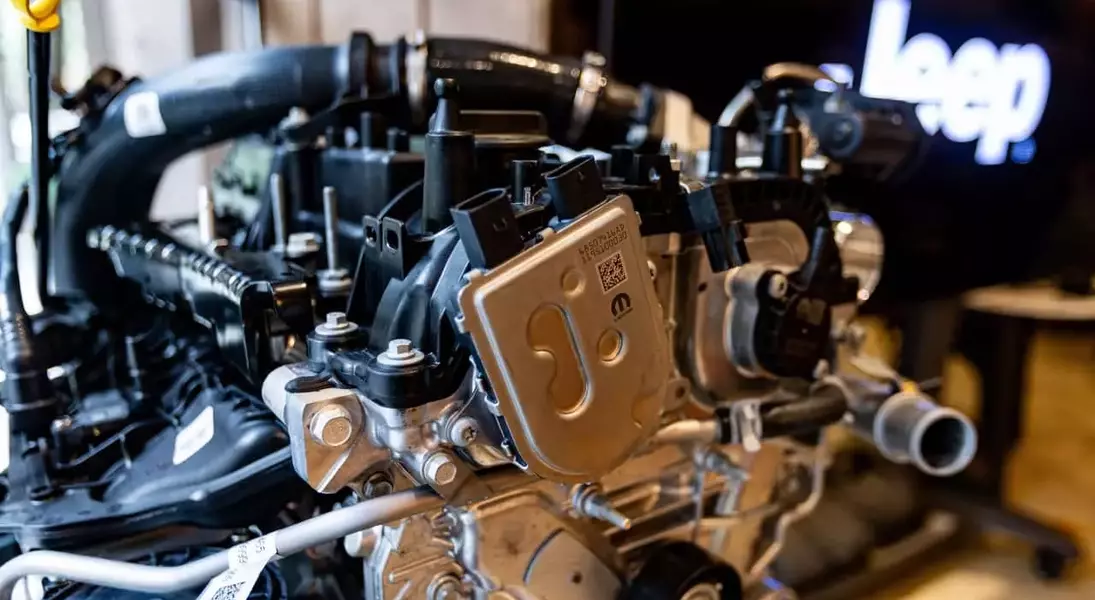
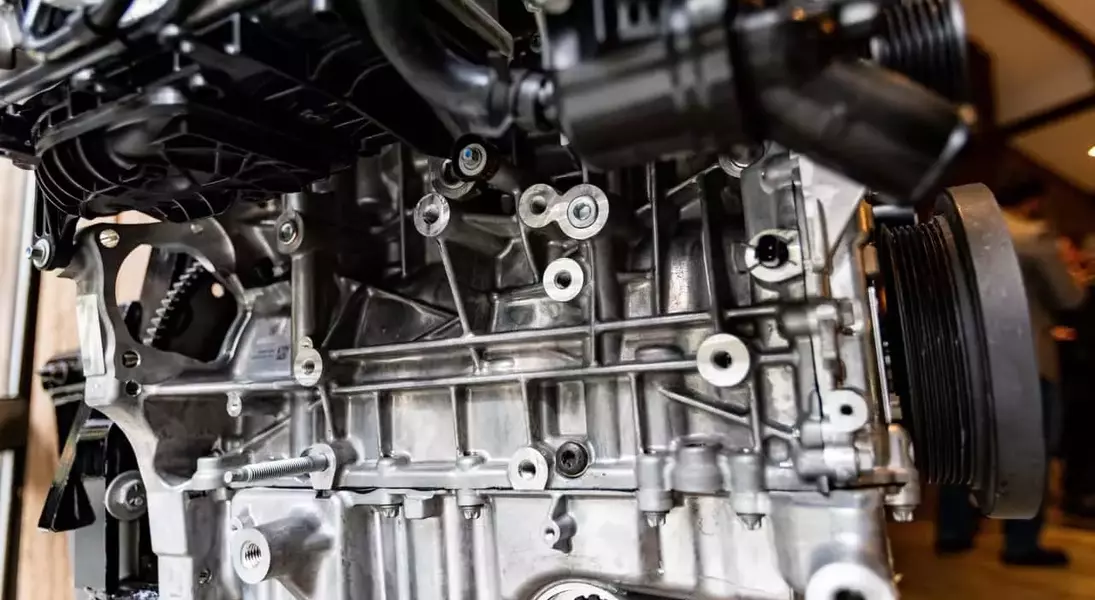
Amidst the accelerating shift towards electric and hybrid vehicles, Jeep unveils a remarkable internal combustion engine, the Hurricane four-cylinder, setting new benchmarks for efficiency and performance in a conventional powertrain. This 2.0-liter turbocharged marvel, producing 325 horsepower, stands out by integrating sophisticated technologies previously seen in high-performance and luxury segments, making it one of the most potent four-cylinder engines available. The engineering focus has been on maximizing energy extraction from fuel while ensuring a responsive and robust driving experience, even in larger vehicles like the Grand Cherokee.
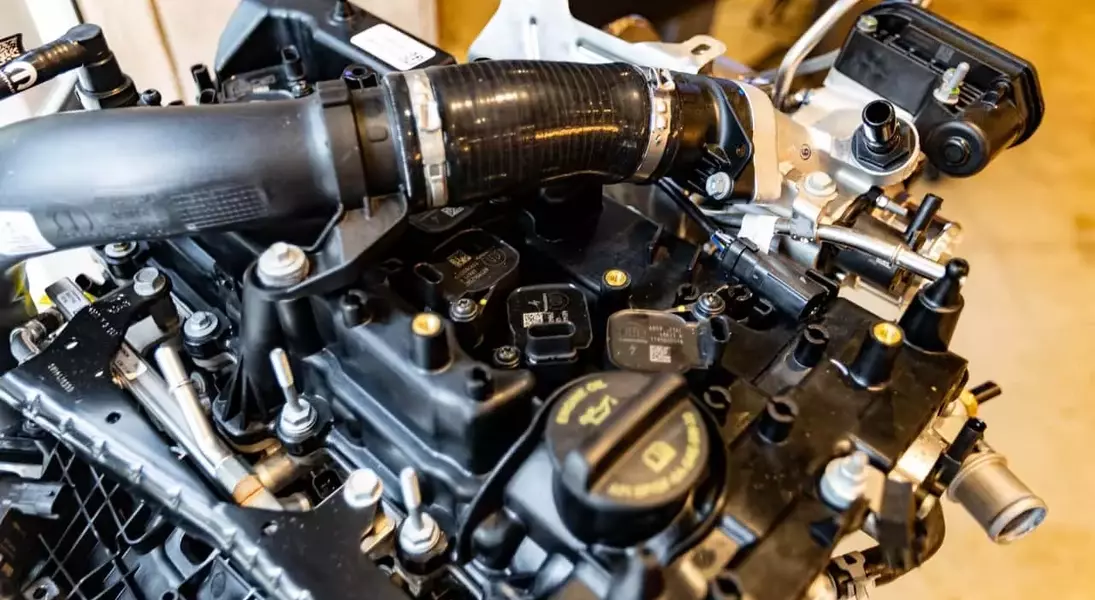
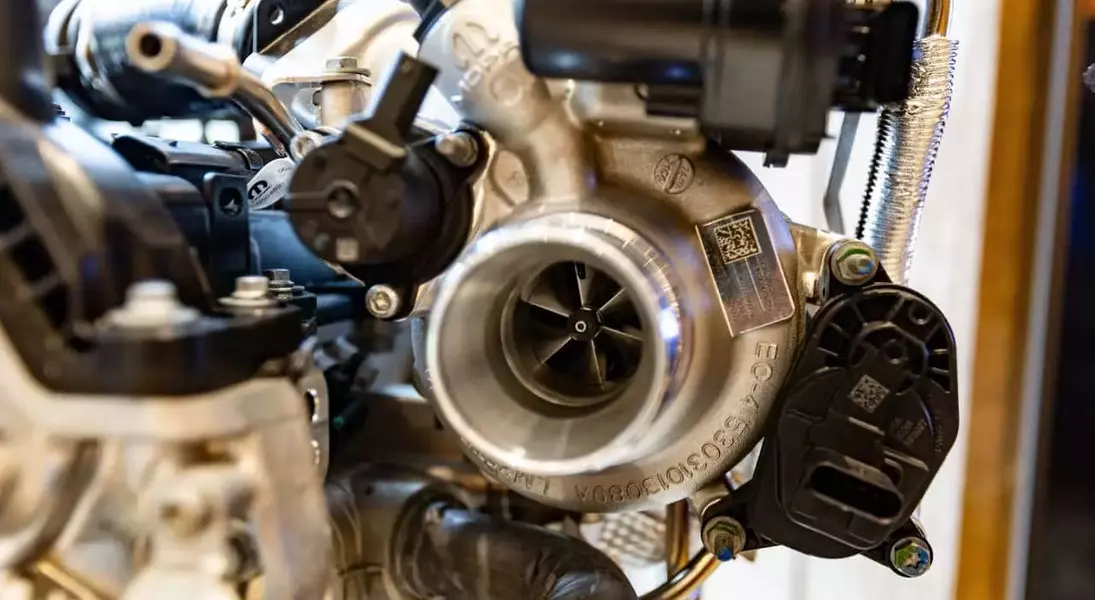
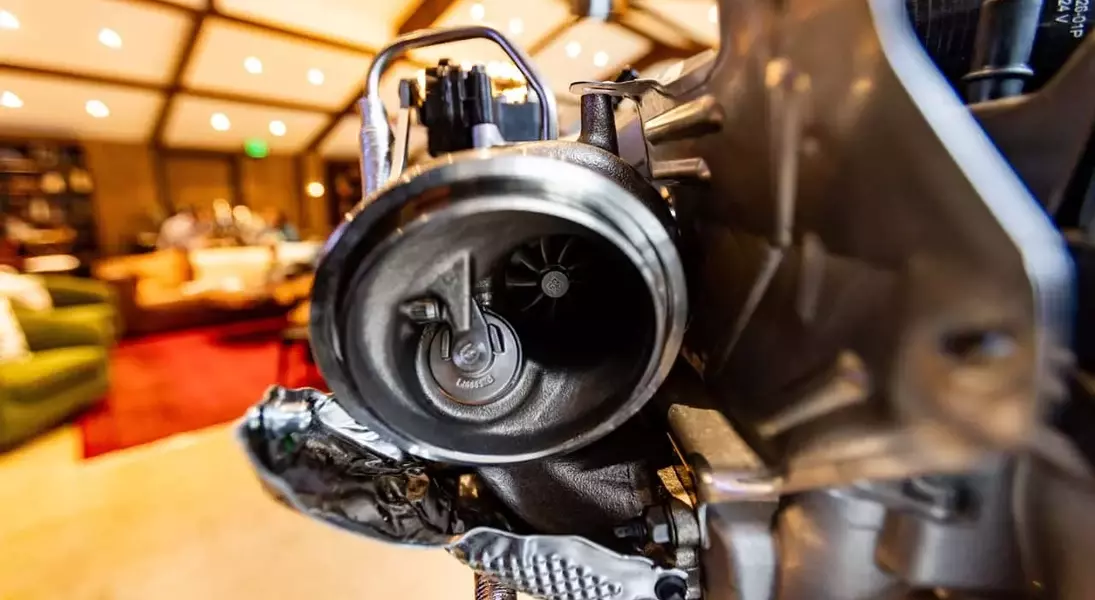
The Hurricane 4 engine achieves its impressive capabilities through a combination of cutting-edge features. Its Turbulent Jet Ignition (TJI) system, inspired by Formula 1 technology, employs a pre-chamber combustion process and twin-spark ignition to optimize fuel-air mixture burning. This, coupled with a Variable Geometry Turbocharger (VGT), significantly improves turbo responsiveness and overall engine efficiency by precisely managing exhaust gas flow. Additionally, an electronic cam phaser enhances start/stop functionality and further refines combustion. These innovations collectively contribute to a powerful yet surprisingly economical engine, demonstrating that internal combustion still has significant potential for development and refinement.
Pioneering Combustion Technology: Turbulent Jet Ignition
Jeep's Hurricane 4 engine introduces an advanced combustion system known as Turbulent Jet Ignition (TJI), a sophisticated technology adapted from the high-performance world of Formula 1 racing, specifically influenced by the Maserati MC20's Nettuno V6. Unlike conventional systems, TJI integrates a small pre-chamber within the main combustion chamber, where a precisely controlled mixture of fuel and air is ignited by a dedicated spark plug. This initial ignition generates high-energy jets that then propagate into the main chamber, ensuring a more rapid, complete, and efficient combustion process. The system also features dual-spark ignition per cylinder, with a second spark plug acting as a failsafe or assisting in high-load scenarios, allowing Jeep engineers to extract maximum energy from every drop of fuel. This innovative approach to combustion is a cornerstone of the Hurricane 4's ability to deliver both high power output and remarkable fuel economy, challenging the traditional trade-offs in engine design.
The adoption of Turbulent Jet Ignition in the Hurricane 4 is not merely a technical showpiece but a critical component in its overall efficiency strategy. By optimizing the burning of the fuel-air mixture, TJI significantly reduces energy waste during combustion. This translates directly into improved fuel efficiency, particularly notable in a vehicle as substantial as the Grand Cherokee. The pre-chamber design facilitates a leaner fuel mixture combustion, meaning the engine can operate effectively with less fuel, thereby reducing emissions and consumption. Furthermore, the precise control offered by TJI contributes to a smoother engine operation and enhanced power delivery across various RPMs. This forward-thinking combustion technology ensures that the Hurricane 4 delivers not only robust performance but also aligns with contemporary demands for environmental responsibility, making it a truly remarkable engineering achievement in the realm of internal combustion engines.
Enhancing Efficiency: Variable Geometry Turbo and Engine Optimization
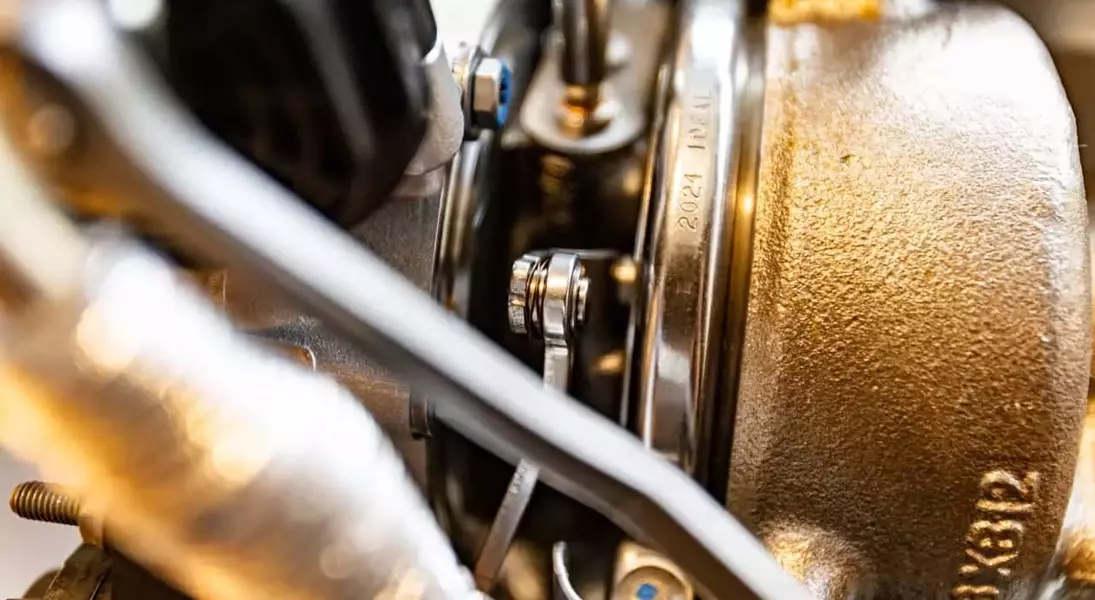
The Hurricane 4 engine's exceptional efficiency is further bolstered by its Variable Geometry Turbocharger (VGT), a feature uncommon in gasoline engines but crucial for optimizing performance across a wide range of operating conditions. The VGT dynamically adjusts the flow of exhaust gases to the turbine using movable vanes, allowing for precise control over turbocharger speed and boost pressure. This intelligent design minimizes turbo lag, providing immediate power response during acceleration, while also improving fuel economy during steady cruising by managing exhaust gas velocity more effectively. This adaptability enables the engine to perform optimally whether requiring high power output or maximum fuel efficiency. Beyond performance, the VGT contributes to environmental benefits by accelerating catalytic converter warm-up during cold starts, thereby reducing harmful emissions. This sophisticated turbocharging system, coupled with other innovative features, underscores Jeep's commitment to pushing the boundaries of internal combustion engine technology.
Beyond the VGT, the Hurricane 4 incorporates several other optimizations to enhance its overall efficiency and performance. An electrically controlled intake camshaft phaser allows for precise timing adjustments even when the engine is off, facilitating smoother start/stop transitions and a wider range of intake valve control for improved combustion efficiency. The engine also operates on the Miller cycle principle, which keeps the intake valves open longer to enhance the fuel-air mixture and further boost efficiency. Additionally, the engine features an advanced intercooling system that cools the pressurized air from the turbocharger, contributing to consistent power delivery. Constructed with a lightweight aluminum block and robust internal components, the Hurricane 4 is designed for durability and optimal power-to-weight ratio. These integrated technologies collectively make the Hurricane 4 an engineering marvel, capable of delivering a compelling blend of power, responsiveness, and impressive fuel efficiency, distinguishing it in the current automotive landscape.
