


The contemporary football landscape is a vibrant tapestry woven with commercial ambitions, digital innovations, and a deep reverence for tradition. This intricate interplay is currently undergoing significant transformations, marked by contentious debates over hosting domestic league games internationally, the increasing reliance on informal digital communication for high-stakes business transactions, and the quiet resilience of historical sports architecture. These evolving dynamics reflect a sport grappling with its identity as it navigates a globalized marketplace while striving to honor its passionate fanbase and rich heritage.
Football's Modern Dilemmas: Transcontinental Games, WhatsApp Contracts, and Architectural Milestones
In a bold move that has ignited considerable controversy, both La Liga and Serie A are actively pursuing plans to host regular season matches on foreign soil. La Liga aims to bring the Villarreal-Barcelona clash to Miami before Christmas, while Serie A contemplates moving the Milan-Como encounter to Australia in February. This push for international fixtures, largely driven by entities like Relevent – a New York-based firm linked with Miami Dolphins owner Stephen Ross – seeks to tap into vast overseas markets, particularly the burgeoning Spanish-speaking population in America. Despite strong opposition from fan groups across England, who decry the "abomination" of relocating domestic games as an erosion of identity and fair competition, the financial allure for leagues and clubs remains potent. The Premier League, while currently holding back, is keenly observing these developments, knowing that American ownership within its ranks may eventually push for similar transcontinental ventures. Crucially, the European Commissioner for Sport, Glenn Micallef, has voiced his \"deep disappointment,\" asserting that \"European competitions must be played in Europe,\" a stance echoed by UEFA President Aleksander Ceferin, who nevertheless acknowledges the limited power to intervene if national federations are in favor. This pivotal moment underscores a critical test for football governance, reminiscent of the European Super League crisis, with the European Parliament poised to debate a report explicitly discouraging such overseas contests on September 11.
Adding another layer to football's evolving business practices, recent court proceedings in London have shed light on the surprisingly informal nature of multi-million dollar media rights deals. In a dispute centered around the FIFA Club World Cup broadcasting rights, South Korean e-commerce giant Coupang successfully asserted the validity of a co-exclusive rights agreement with sports streaming platform DAZN, despite the deal being primarily negotiated through a series of WhatsApp messages and emails. This legal battle, heard swiftly by His Honour Judge Pelling KC in May and later upheld by three senior judges in the Court of Appeal, revealed DAZN's executive director, Andrea Radrizzani, engaging in casual digital exchanges that led to a binding contract. The case highlighted a shocking lack of formality in high-value negotiations within the media industry, prompting concern among legal experts about the need for more structured engagement. This incident raises questions about the professional standards and accountability within the sports business sphere, where seemingly casual conversations can translate into significant financial and legal obligations.
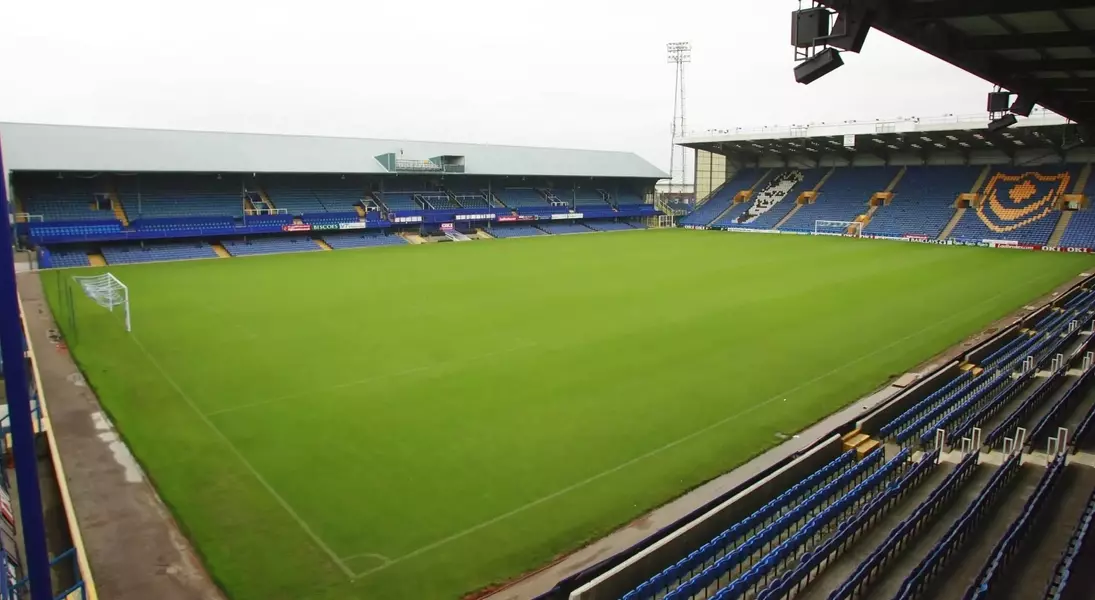
Amidst these modern complexities, the sport also pauses to celebrate enduring heritage. On a memorable Saturday, Portsmouth Football Club will commemorate the centenary of its iconic South Stand at Fratton Park, a magnificent double-decker structure designed by the celebrated stadium architect Archibald Leitch. This stand, which will host Portsmouth's Championship match against Preston North End, stands as the oldest surviving example of Leitch's distinctive work still in use in England. Leitch, a prolific architect who shaped over 40 grounds between 1899 and 1939 with his signature latticework steel supports and pitched roofs, has seen much of his legacy dismantled or drastically altered over time. However, Portsmouth's American owner, Michael Eisner, has invested £4 million in the sympathetic restoration of this historical landmark, ensuring its preservation. The club, in collaboration with the Pompey History Society and stadium historian Simon Inglis, will unveil a permanent exhibition detailing the stand's rich history, with Leitch's great-grandsons and those of Bob Blyth, who championed its original construction, invited to the celebration. This remarkable milestone, built in a mere ten weeks for a modest sum equivalent to £1.1 million today, stands as a testament to the enduring value of architectural legacy in football, a striking contrast to the rapid-fire, often contentious, commercial dealings that define much of the sport today.
From a journalist's perspective, this confluence of events paints a vivid picture of football at a crossroads. The drive for global expansion, while financially tempting, risks alienating the core fanbase that has historically fueled the sport's passion and identity. The casual nature of multi-million dollar deals, conducted through messaging apps, highlights a startling gap between the financial stakes and the professional rigor, inviting scrutiny and potential legal quagmires. Yet, the enduring celebration of structures like Portsmouth's South Stand offers a poignant reminder that while the business of football may evolve rapidly, the sport's soul remains rooted in its history, its communities, and the physical spaces that embody generations of shared experiences. Perhaps the challenge for football's leaders is to find a harmonious balance, where commercial growth does not come at the expense of fan loyalty and where modern business practices are underpinned by transparency and professionalism, all while cherishing the traditions that make the beautiful game truly unique.
