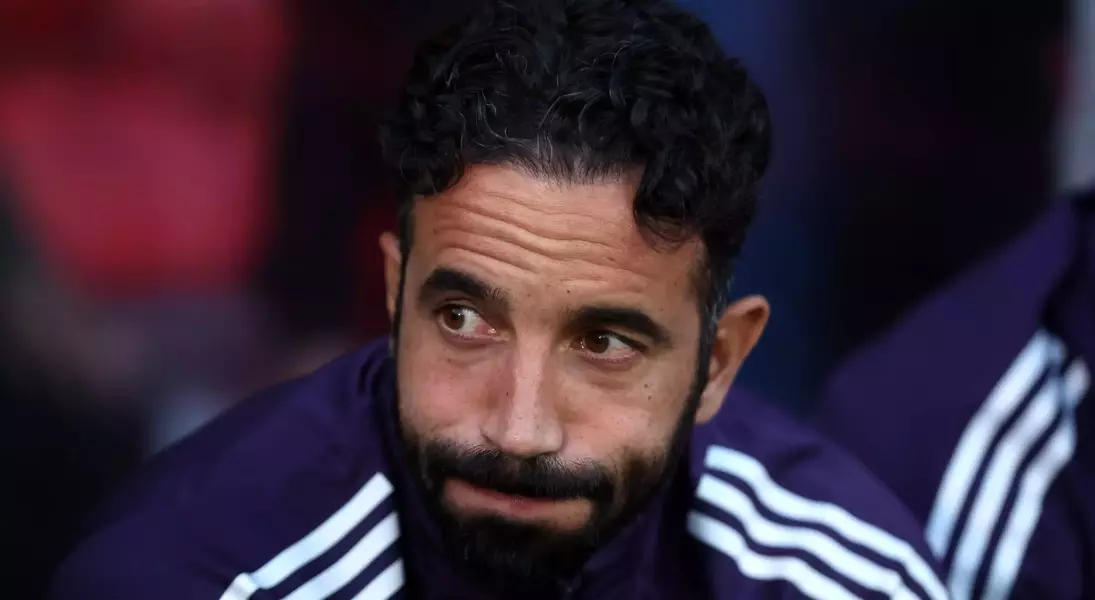
Manchester United, a club steeped in tradition and once a beacon of sustained success, finds itself at a critical juncture. The promising era heralded by young stars such as Alejandro Garnacho, Kobbie Mainoo, and Rasmus Hojlund, once perceived as the cornerstone of the club's future, appears to be rapidly dissolving. Under the management of Ruben Amorim, the club's direction has become increasingly uncertain, characterized by a series of perplexing player decisions and a noticeable downturn in on-field performance. This shift has ignited widespread concern among fans and pundits alike, raising fundamental questions about the long-term vision and leadership at Old Trafford. The apparent abandonment of a youth-centric project, coupled with the manager's tactical preferences, signals a departure from what many believed was a clear path forward for the storied institution.
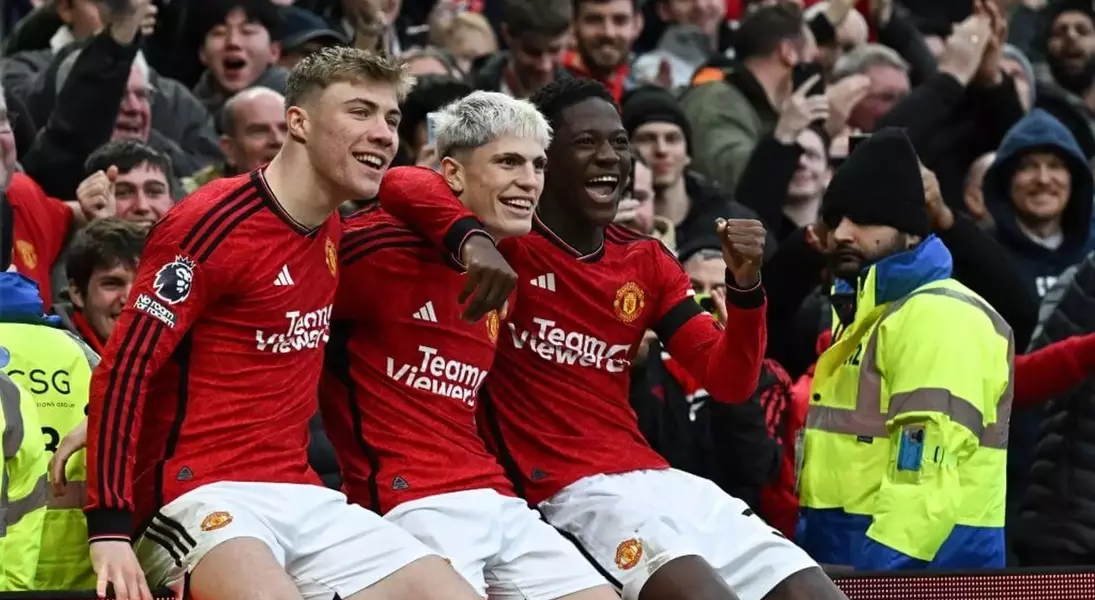
The euphoria surrounding United's young talents, particularly after a triumphant FA Cup final victory over Manchester City in 2024, was palpable. A viral image of Garnacho, Mainoo, and Hojlund celebrating a Premier League goal against West Ham United symbolized a burgeoning hope for the club's resurgence. This moment was lauded by the club's official channels as 'iconic' and even 'prophetic,' suggesting a future built on youthful exuberance and homegrown talent. Mainoo himself expressed optimism, hoping the image would indeed become iconic and pave the way for great achievements. Yet, barely 18 months later, this sentiment has been replaced by a stark and disheartening reality. The 'prophetic' image now seems to mock the club's current predicament, serving as a bitter reminder of how swiftly promise can fade within the volatile ecosystem of modern football.
The turning point arrived with the news of Alejandro Garnacho's impending transfer to Chelsea for a reported £40 million. This move, presented by Old Trafford insiders as a pragmatic solution to a summer-long dilemma, represents a significant shift from the club's earlier stance of considering Garnacho, Hojlund, and Mainoo as 'ring-fenced' assets integral to their future. While Hojlund's potential loan to Napoli is less surprising, the revelation that Mainoo has sought a loan deal due to a lack of first-team opportunities underscores a deeper malaise within the club. These developments, particularly regarding Garnacho and Mainoo, signal a distressing divergence from the club's previously articulated commitment to nurturing its young prospects.
Financial considerations, specifically the Premier League's profitability and sustainability regulations (PSR), play a role in these decisions, as they can incentivize clubs to offload homegrown players for quick profits. However, it's argued that if Amorim genuinely viewed Garnacho or Mainoo as crucial to his long-term plans, their retention would have been prioritized, potentially through improved contracts. Instead, Amorim's assessment of Garnacho's technical profile and attitude reportedly led to the player's deemed expendability. The situation with Mainoo, though less definitive, is equally concerning, as his frustration over limited playing time highlights a disconnect between player aspirations and managerial decisions.
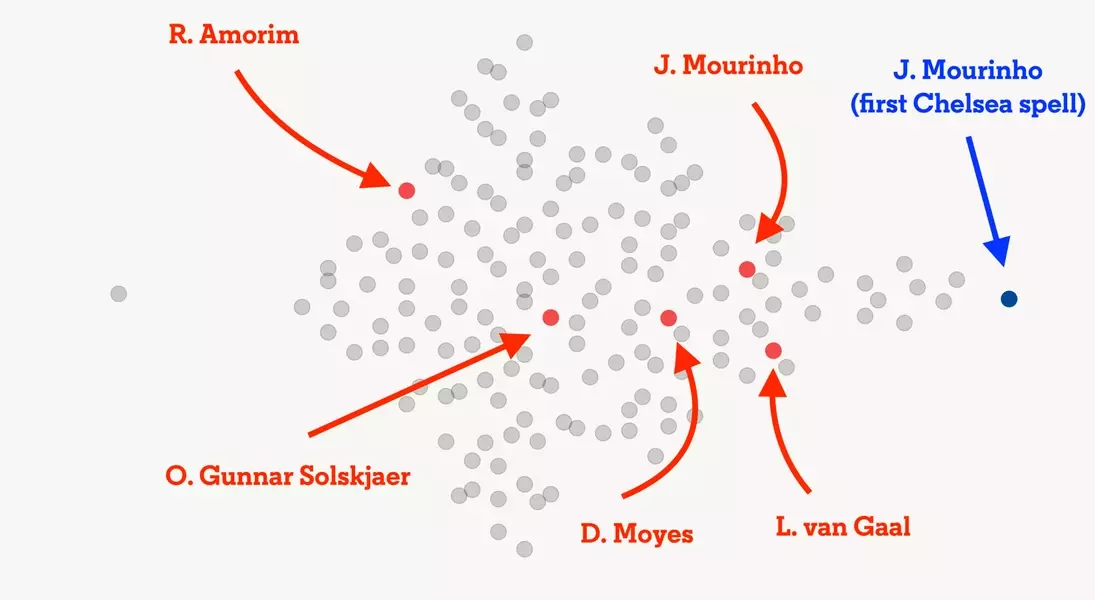
Since Amorim's appointment in November of the previous year, Manchester United's league performance has been dismal, with a mere seven wins from 29 Premier League matches and only 33 goals scored. Such statistics place his tenure among the worst in the Premier League era, drawing comparisons to some of the competition's most infamous managerial periods. This alarming decline in results, coupled with uninspired performances, has led to growing disquiet among the fanbase. Despite a historically ingrained loyalty to their managers, even the most steadfast United supporters are beginning to question whether Amorim's tactical vision, particularly his reliance on a three-man central defense and a midfield axis of Bruno Fernandes and Casemiro in 2025, is fundamentally flawed.
The concern extends beyond current results, delving into the possibility that by prioritizing the immediate preferences of a struggling manager over the long-term potential of highly-rated young players like Garnacho and Mainoo, the club's hierarchy might be perpetuating a pattern of short-sighted decisions. This approach, observers suggest, could be a regrettable misstep, contrasting sharply with the club's historical resilience in the face of adversity. The current climate at Old Trafford, described by some as 'toxic' and unhealthy, seems to stifle positive energy and collective advancement. Manager Amorim himself has appeared visibly drained, openly questioning his capacity to reverse the tide of negativity that has engulfed the club. Even with new executive appointments and a renewed focus on fostering a 'high-performance environment,' the deeply entrenched issues at United, spanning from boardroom to dressing room, continue to undermine progress, suggesting a systemic rather than individual problem.
The rapid decline of once-promising talents such as Garnacho and Mainoo, from indispensable assets to potentially disposable commodities, encapsulates the broader struggles at Manchester United. What began as a fleeting moment of excitement and potential, epitomized by that iconic celebration image, has quickly dissipated. The club appears caught in a cycle where conflicting ideas and agendas persist, leading to a lack of clear vision and leadership. This environment has fostered a culture where even the most talented individuals find it challenging to thrive, and managers, in a bid for self-preservation, might abandon long-term strategies. Ultimately, the photograph of Garnacho, Mainoo, and Hojlund stands as a potent symbol not of a bright future, but of how rapidly faith can erode within the modern Manchester United, a phenomenon that extends not only to its young players but also, increasingly, to its coaches.
