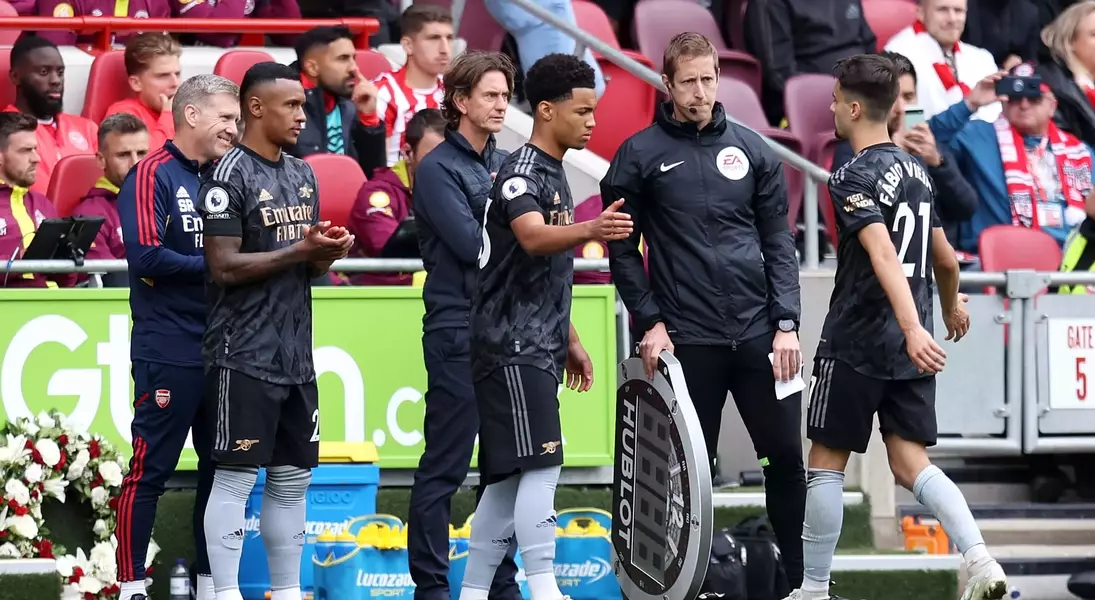

The recent emergence of incredibly young talents in the Premier League has brought the spotlight onto the delicate balance between youthful promise and established regulations. Just days apart, Liverpool's Rio Ngumoha, at 16 years and 361 days, became the club's youngest ever scorer and the league's fourth-youngest, while Arsenal's Max Dowman made his debut at 15 years and 235 days, positioning him as the second-youngest player in Premier League history. These events underscore the league's unique environment where prodigies can rapidly ascend to the highest level of English football.
Navigating the complex landscape of age restrictions and player safeguarding is crucial for these young athletes. The Premier League mandates that no player under the age of 16 can be included in a matchday squad, and a player must have turned 15 by the end of August to participate in the upcoming season. Unlike the FA Cup, where exceptions for younger academy players can be made with parental and school consent, the Premier League maintains stricter protocols. Furthermore, professional contracts cannot be offered to academy players until they are in their under-16 year, and they cannot be signed until the age of 17. Beyond contractual matters, robust safeguarding measures are in place, including separate changing facilities and accommodations for players under 18, ensuring their well-being and development are prioritized. The league regularly audits clubs to ensure these comprehensive procedures are meticulously followed.
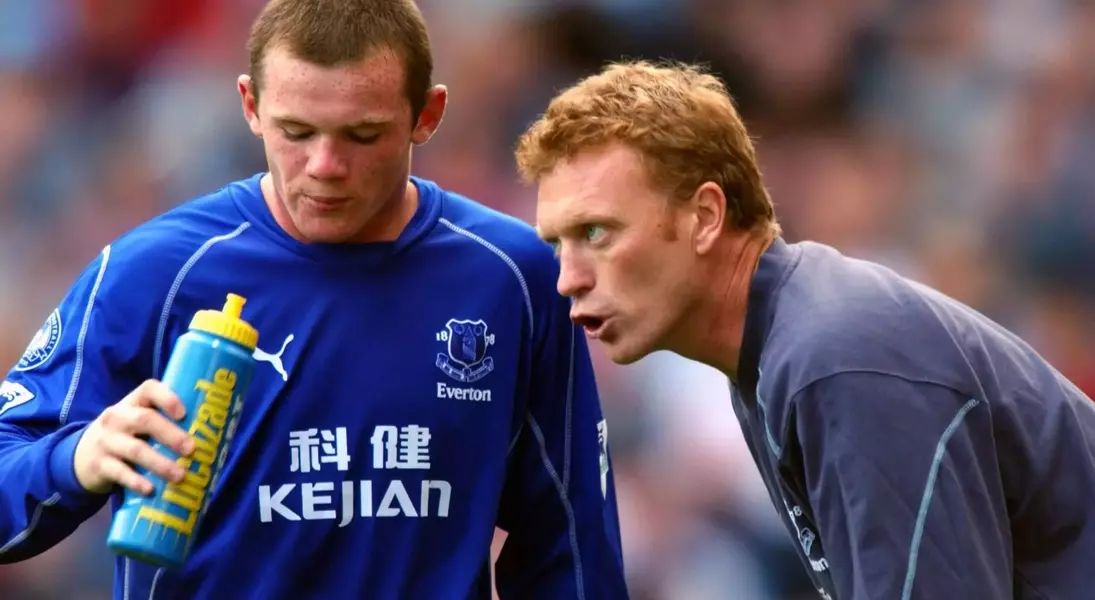
While the Premier League has witnessed record-breaking debuts from players like Ethan Nwaneri, who remains the youngest at 15 years and 181 days, the long-term career paths of these young phenoms are varied. Some, like Wayne Rooney and James Milner, have gone on to achieve legendary status, accumulating hundreds of appearances and major honors. Others, despite showing immense early potential, have had more transient careers, becoming league journeymen. The current crop of promising teenagers, including Ngumoha, Dowman, Jeremy Monga, and Mikey Moore, will undoubtedly face similar challenges and opportunities. Conversely, the league also celebrates its veterans, with players like James Milner continuing to compete at the highest level well into their late thirties, demonstrating that experience and longevity are equally valued. Breaking Nwaneri's record for the youngest debut remains a formidable challenge, requiring not only extraordinary talent but also precise timing due to the strict age eligibility rules. Nevertheless, the Premier League will continue to be a stage where both blossoming youth and enduring experience shape the narrative of the beautiful game.
The continuous cycle of young talent emerging and seasoned professionals enduring in the Premier League serves as a powerful testament to the dynamic nature of sport. It highlights that success is not solely about early promise or accumulated experience, but rather a combination of dedication, resilience, and the relentless pursuit of excellence. This vibrant ecosystem fosters growth, inspires future generations, and reminds us that with proper support and ethical frameworks, individuals can not only achieve their dreams but also contribute positively to a thriving community.
