Finji, a notable independent game publisher, is actively pushing back against the pervasive integration of generative artificial intelligence in the gaming industry. Rebekah Saltsman, the CEO, has publicly expressed her exasperation with the influx of AI-generated content, ranging from game concepts to developer resumes, filling their submission inboxes. This stance reflects a broader concern within the creative community regarding the originality and legal implications of AI-driven work.
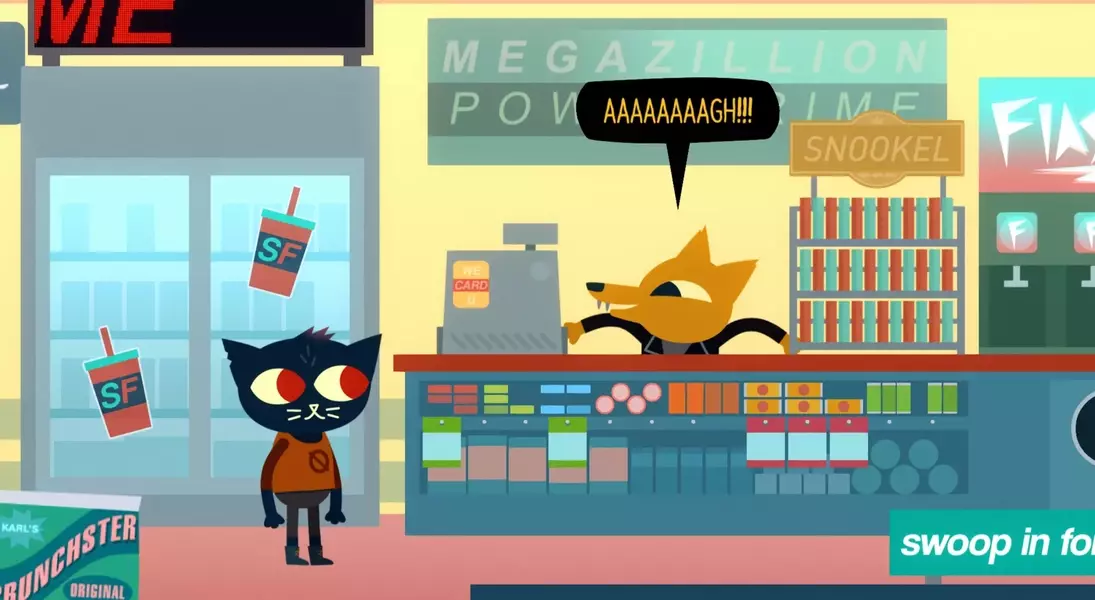
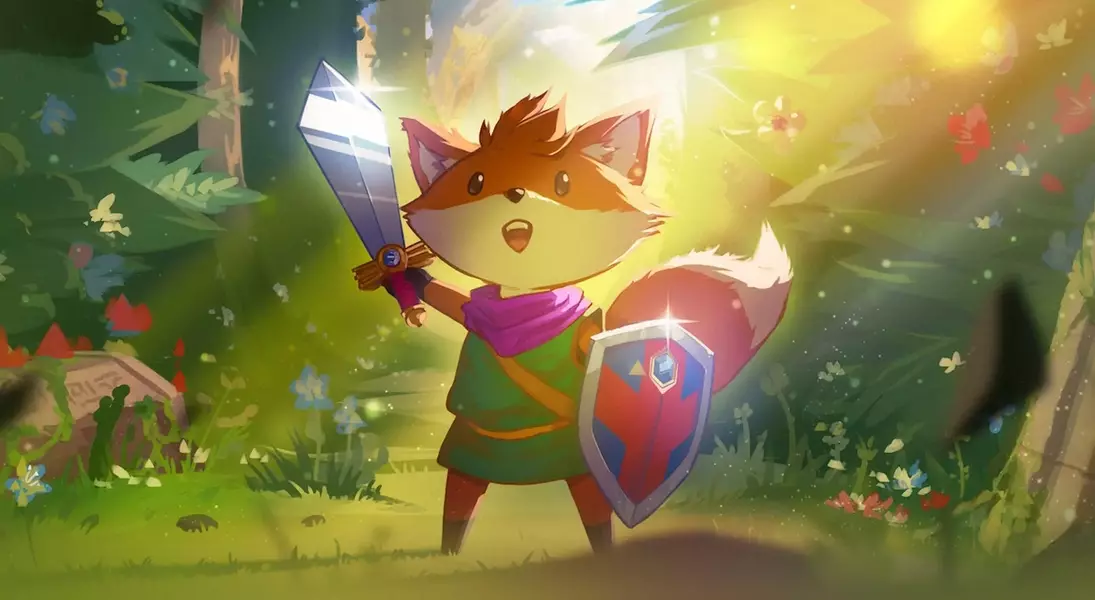
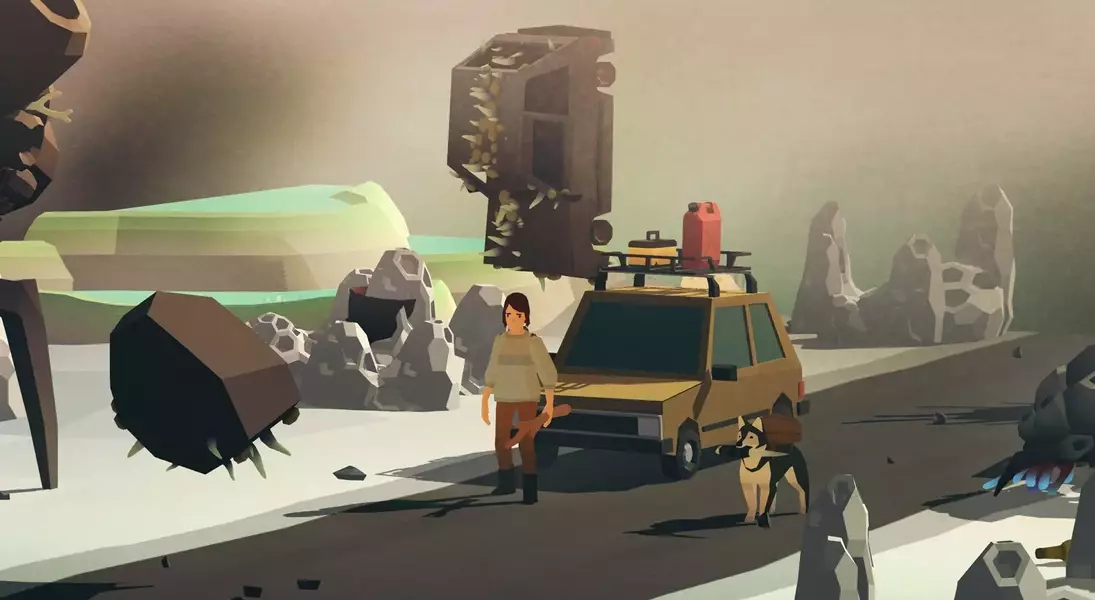
Rebekah Saltsman, who co-founded Finji with her husband Adam 'Atomic' Saltsman, known for titles like Cannabalt and Overland, leads a company that has also been instrumental in publishing acclaimed games such as Tunic and Night in the Woods. As a small operation, Finji is meticulous about the projects it undertakes and publishes, dedicating significant time to reviewing submissions—often weekly, but at least monthly.
During a recent discussion, Saltsman revealed the startling volume of AI-created game pitches they now encounter. Her husband, Adam, noted an unprecedented surge in such submissions. Saltsman suspects that many developers, particularly those skilled in programming or design but lacking artistic expertise, resort to AI to create visual assets for their proposals. However, she suggests that submitting basic conceptual designs or 'programmer art' would be more effective for conveying game mechanics to a publisher like Finji, who values fundamental design over superficial aesthetics.
Saltsman's opposition to AI extends to practical business considerations. Last year, Finji revised its publishing agreements to include provisions for terminating contracts if a developer uses AI without proper disclosure. She underscores the significant legal risks associated with AI-generated content, especially concerning intellectual property rights. Saltsman asserts that AI-created works often lack copyright protection and could potentially lead to accusations of theft, posing an unacceptable level of risk for their projects.
The sentiment expressed by Saltsman aligns with the views of many creatives in the industry who find AI-generated code to be frequently flawed and AI-produced art to be uninspired. She conveyed her weariness of engaging with such content, stating unequivocally that Finji will not incorporate AI technology into their games or participate in that particular marketplace. Despite acknowledging that this might be an unpopular viewpoint among some industry peers, Saltsman, as an indie developer, remains steadfast in her commitment to human-driven creativity.
Looking ahead, Finji continues to support and publish games developed through traditional creative processes, with upcoming titles including their own 'Usual June' and the roguelite strategy sequel '868-Back', further demonstrating their dedication to authentic game development.
