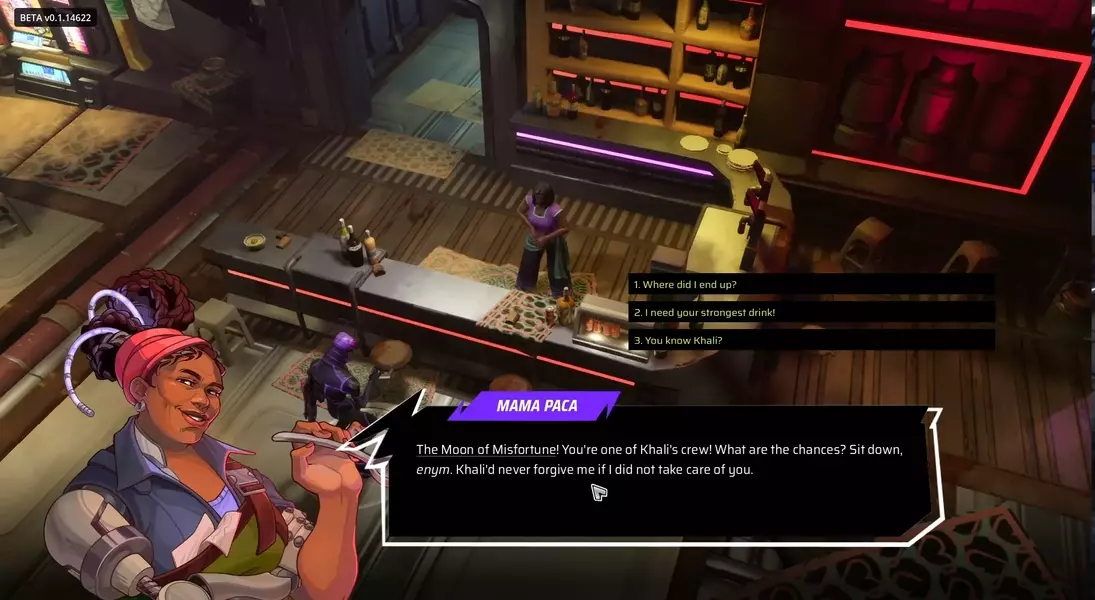
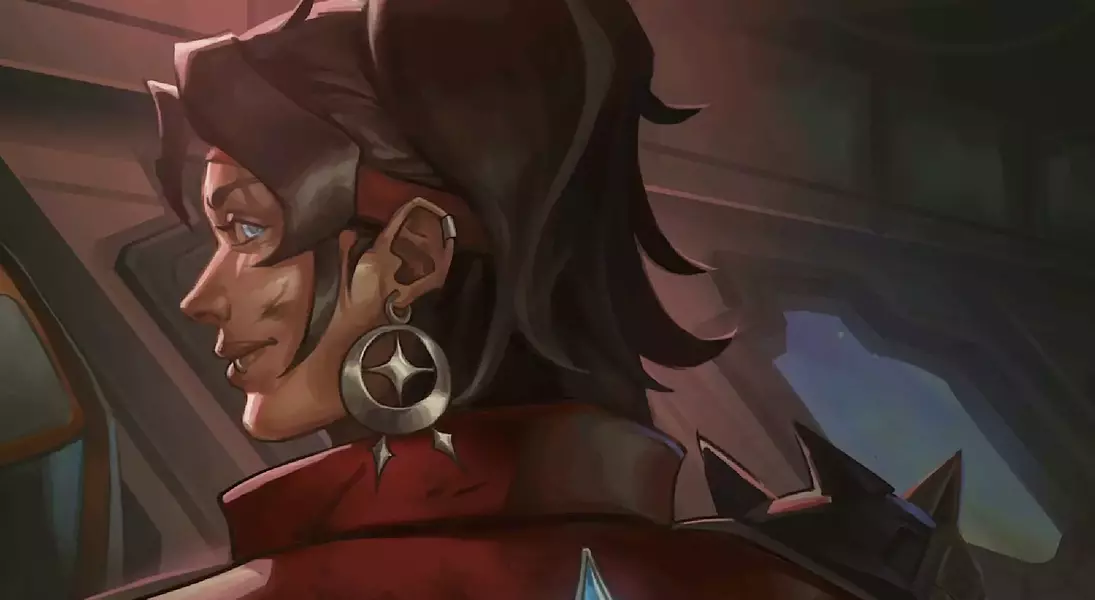
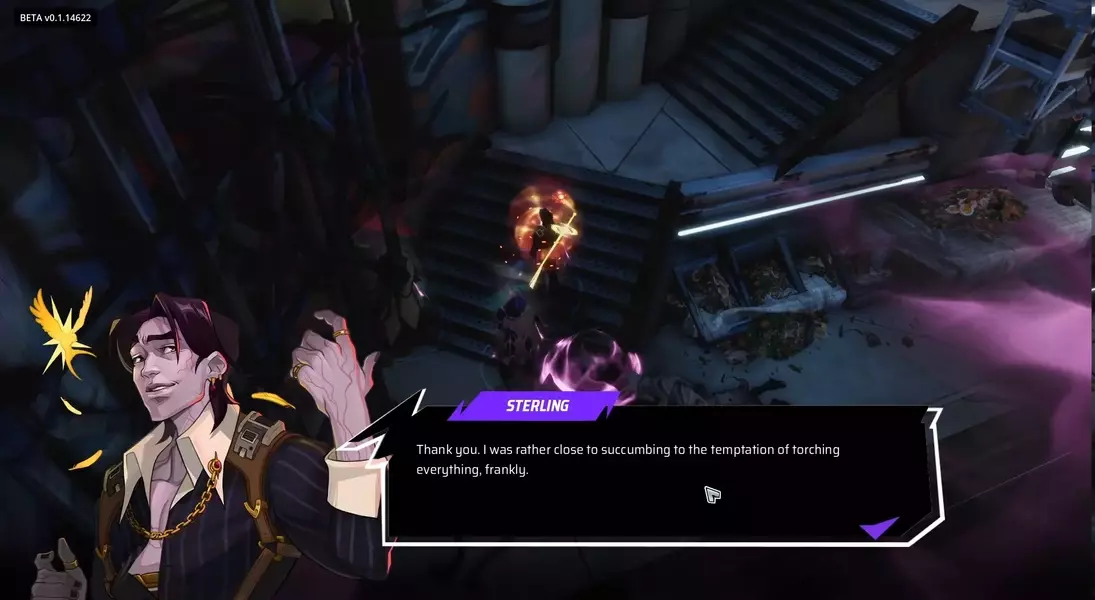
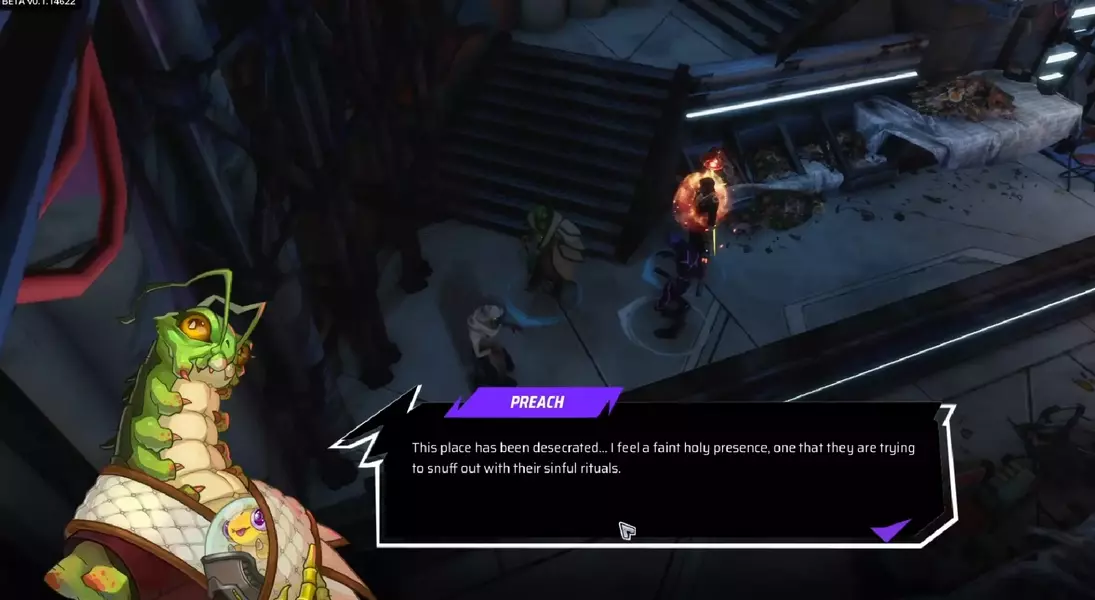
Starfinder: Afterlight, from the emerging studio Epictellers, is generating considerable buzz, particularly among enthusiasts of the Pathfinder 2e system. The game, still in its early access phase, exhibits impressive visual flair with its distinctive hand-drawn cutscenes and vibrant, cel-shaded art style, reminiscent of classic table-top rulebooks brought to life. Esteemed voice actors like Neil Newbon and Roger Clark lend their talents, further elevating the experience. However, the initial playtest, though promising, indicates a critical need for substantial development in game mechanics and user guidance. While the core combat system, adapted from Starfinder 2e, functions robustly, the absence of crucial tactical actions and comprehensive tutorials poses a significant barrier for newcomers and even seasoned players.
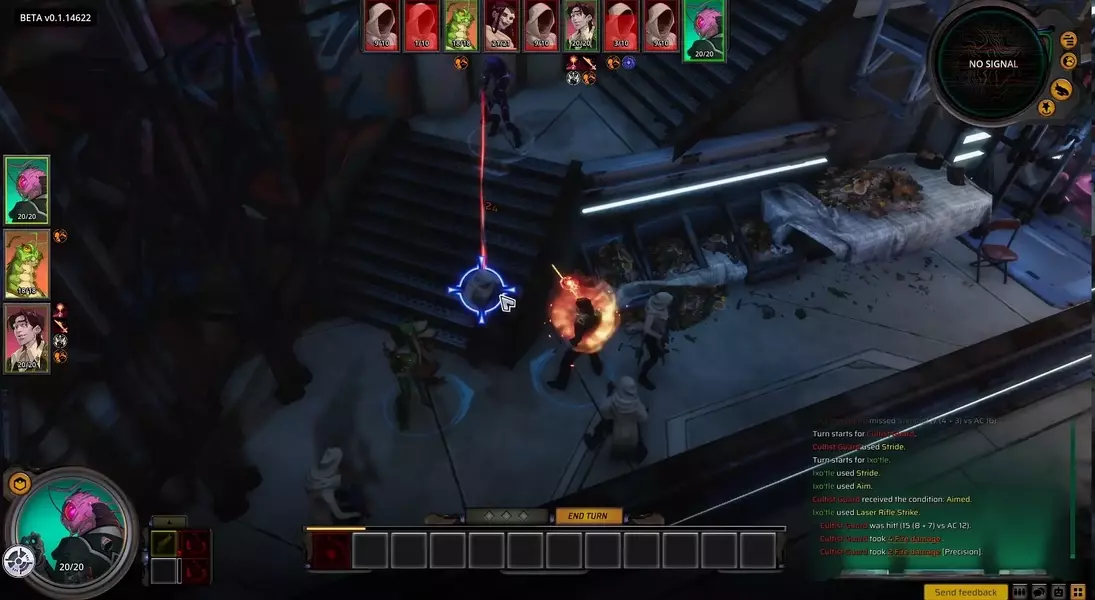
The current state of Afterlight showcases a strong foundation, particularly in its aesthetic presentation. The game's artwork and environmental design radiate a unique charm, reflecting the artistic skill and enthusiasm of the Epictellers team. This visual appeal, coupled with the high-caliber voice acting, creates an immersive atmosphere that captivates players from the outset. The combat, drawing directly from the Pathfinder/Starfinder 2e tabletop systems, offers a strategic depth where movement and positioning are paramount. Players are encouraged to employ tactical maneuvers, such as flanking, rather than simply launching repeated attacks, rewarding thoughtful engagement over brute force. This strategic emphasis is a core strength inherited from its tabletop origins.
Despite these strengths, the early access build suffers from notable shortcomings. Many of the intricate actions that enrich the tabletop system, such as demoralization, grappling, disarming, or feinting, are conspicuously absent. This omission detracts from the tactical variety and depth that define the source material. Furthermore, the game's current lack of a robust tutorial system is a significant impediment. Essential mechanics like flanking, which grant substantial combat advantages by reducing an opponent's Armor Class, are not adequately explained. Players are left to discover these crucial details through scattered tooltips, a process that can be frustrating and exclusionary for those unfamiliar with the underlying tabletop rules.
Navigating the game's interface also presents challenges, particularly when attempting to examine ally abilities or feats. While these elements are likely functional within the game, the user interface currently lacks the clarity and accessibility needed to effectively convey this information. This makes strategic planning and character management more difficult than necessary, especially for players who are not intimately familiar with the Starfinder universe. Such issues highlight the importance of refining the UI and integrating more intuitive information displays as development progresses.
Ultimately, Starfinder: Afterlight holds considerable potential. Its engaging art style, compelling voice performances, and intriguing world offer a glimpse into what could be a standout CRPG. However, to truly succeed, Epictellers must address the current deficiencies in its tutorial system, incorporate missing tactical actions, and enhance character customization options. Without these crucial improvements, the game risks alienating a broader audience, even as it excites dedicated fans of the Paizo systems. The path to a strong public demo this summer will depend heavily on the studio's ability to polish these elements, ensuring a more comprehensive and accessible experience for all players.
