





In the dynamic world of luxury fashion, the period between late 2024 and early 2026 has witnessed an unprecedented wave of leadership changes. Following a season marked by numerous creative director debuts, the industry is now in a phase of profound re-evaluation, where the long-term success of these brands hinges on the synergy between their artistic vision and strategic operational foundations.
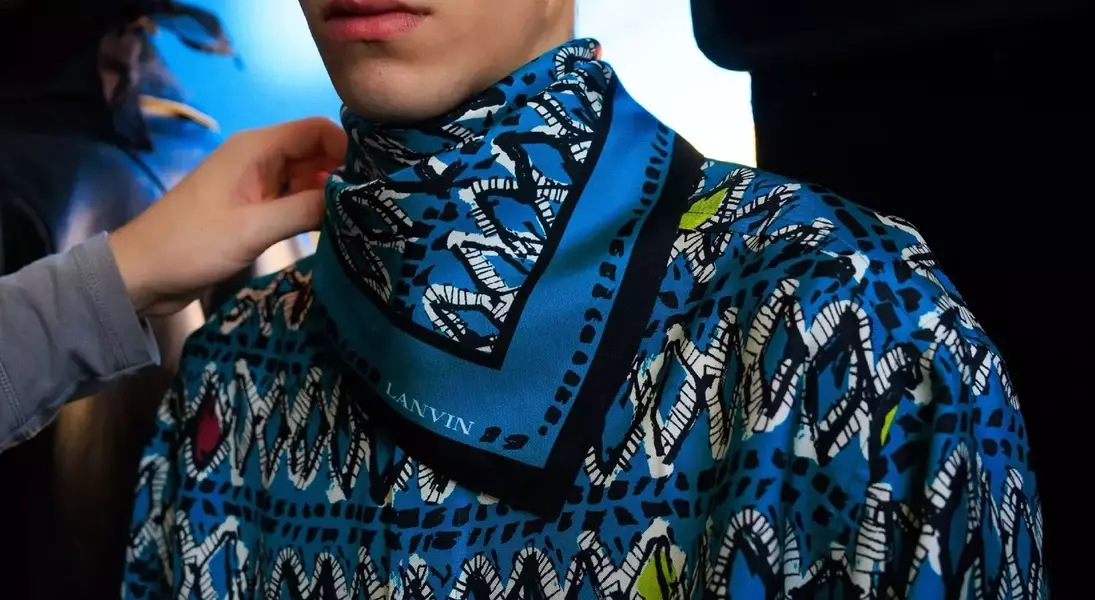
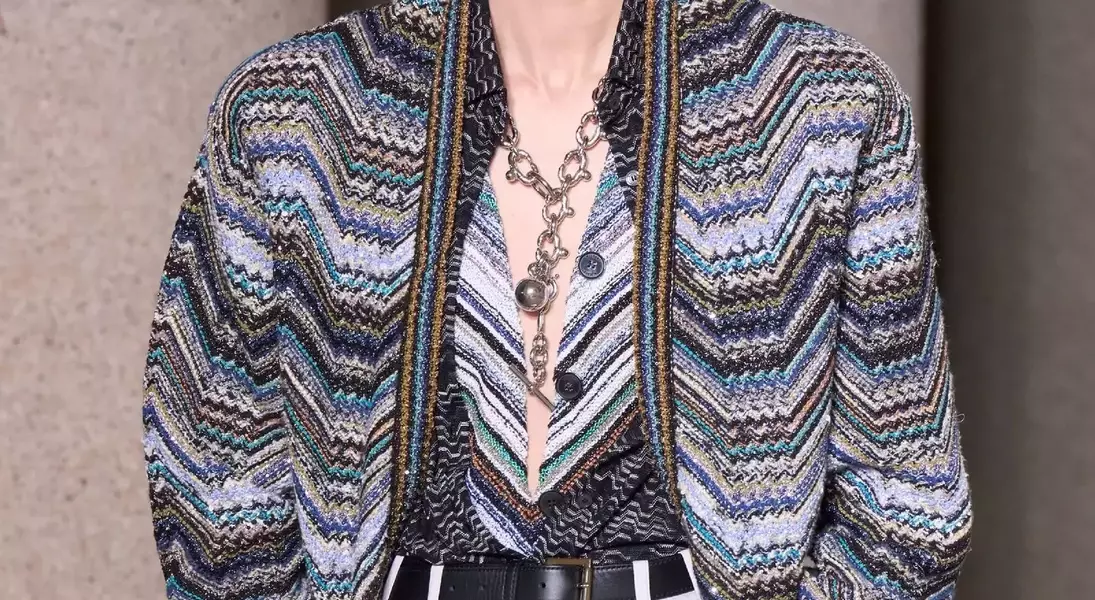
A critical look at these transitions reveals a concerted effort by major fashion houses to solidify their creative and executive structures. Brands like Balenciaga, for instance, transitioned from Demna Gvasalia's streetwear-influenced era to Pierpaolo Piccioli's blend of edginess and traditional codes, accompanied by a new executive team led by Gianfranco Gianangeli. Similarly, Blumarine, after Nicola Brognano's Y2K revival, welcomed Walter Chiapponi and later David Koma, seeking a more classic yet whimsical direction. Bottega Veneta navigated the unexpected departure of Daniel Lee, appointing Matthieu Blazy and subsequently Louise Trotter, demonstrating a continuous pursuit of innovative craft. Calvin Klein Collection, under Veronica Leoni, aimed for a runway return, while Celine saw Michael Rider's homecoming to honor and evolve its heritage. Chanel, with Matthieu Blazy at the helm, restructured its operations to support ten annual collections, highlighting the brand's commitment to relentless innovation. Dior underwent a significant LVMH reshuffle, bringing Delphine Arnault as CEO and Jonathan Anderson to lead both menswear and womenswear, signaling a bold new chapter. Dries Van Noten appointed Julian Klausner, ensuring continuity while embracing fresh perspectives. Givenchy welcomed Sarah Burton, one of the few female creative directors in this wave of appointments, aiming for a renewed aesthetic under CEO Amandine Ohayon. Gucci experienced considerable flux with several creative and executive changes, from Alessandro Michele and Marco Bizzarri's exits to Demna's succession and new leadership under Francesca Bellettini and Luca de Meo, all striving to revitalize sales. Jean Paul Gaultier moved away from its rotating designer model, appointing Duran Lantink to oversee couture and ready-to-wear. Jil Sander, after the departure of Luke and Lucie Meier, found new direction with Simone Bellotti, aiming to reconnect with the founder's sophisticated roots. Lanvin sought renewed relevance with Peter Copping, who brought couture expertise to the heritage house. Loewe, under Pascale Lepoivre, transitioned to Jack McCollough and Lazaro Hernandez, integrating their indie spirit with artisanal heritage. Maison Margiela saw Glenn Martens take the creative reins, while Missoni welcomed back Alberto Caliri to reinterpret its iconic patterns. Mugler appointed Miguel Castro Freitas, aiming to build on its dramatic silhouettes under L'Oréal Group's strategic guidance. Proenza Schouler, after its founders moved to Loewe, appointed Rachel Scott, bringing her award-winning vision to the brand. Finally, Tom Ford, under new ownership, appointed Haider Ackermann, hand-picked by Ford himself, to lead its fashion line with expressive romanticism, alongside new leadership to navigate its complex new structure.
This period of extensive transformation within the fashion industry underscores a strategic recalibration, where luxury brands are not only seeking fresh creative impetus but also reinforcing their operational and marketing frameworks to ensure sustained growth and market relevance. The collective efforts to align artistic vision with robust business strategies reflect a forward-thinking approach, poised to shape the future trajectory of these iconic houses in an ever-evolving global landscape.
