
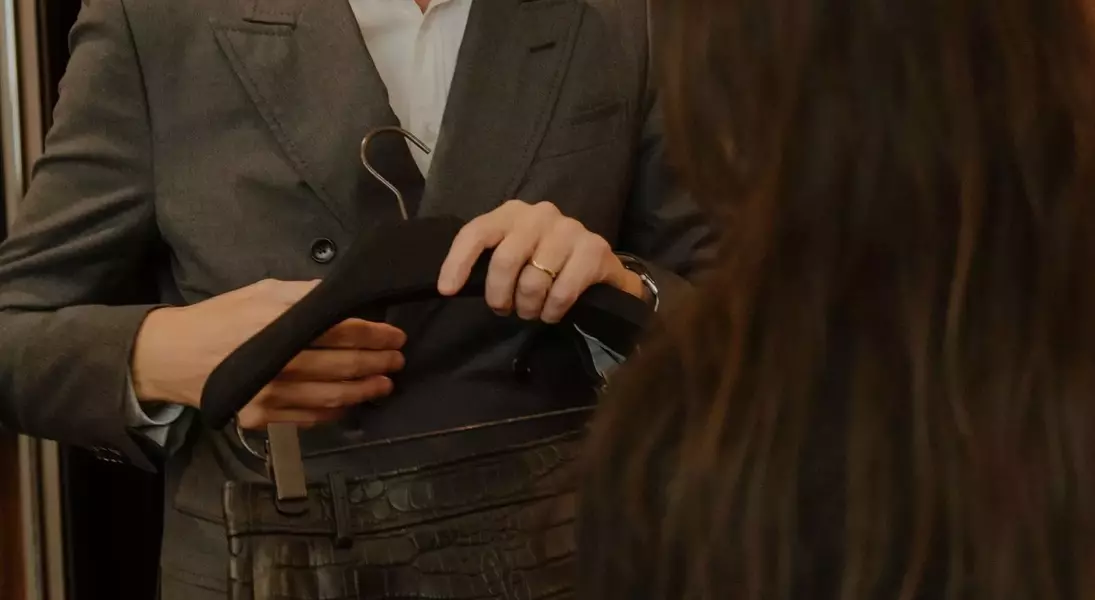
In the evolving landscape of luxury fashion, a notable trend of frequent changes in creative leadership has emerged. This phenomenon carries substantial implications for major fashion houses, particularly concerning their relationships with Very Important Clients (VICs). These elite consumers, constituting a mere 2% of the customer base, are responsible for a staggering 45% of global luxury sales, a significant increase from 35% in 2021. As the mid-market segment shrinks due to economic pressures, the industry's reliance on these high-spending individuals intensifies, making creative transitions a delicate balancing act. Brands must navigate the introduction of new artistic visions while preserving their core identity to retain the loyalty of their most valuable clientele.
Luxury Brands Redefine Strategy to Maintain Elite Client Loyalty Amidst Creative Director Changes
In the wake of the Spring/Summer 2026 fashion season, an unprecedented wave of creative director changes has swept across the luxury fashion sector, prompting a re-evaluation of brand strategies. Previously, the appointment of a new creative director often led to a ripple effect across online platforms. However, the true impact of these changes resonates far beyond digital chatter, directly influencing the purchasing decisions of Very Important Clients (VICs). These discerning consumers, whose unwavering patronage is increasingly vital to a brand's financial health, face the pivotal choice of continuing their investment with a brand under new leadership or seeking alternatives.
Renowned industry experts, such as Bain partner Federica Levato, emphasize the heightened financial risks associated with creative shifts. Levato warns that a dramatic alteration in creative direction could alienate key clients, leading to a significant downturn in business. The pause in spending by even a small cohort of top clients can overshadow thousands of entry-level purchases, underscoring the precarious nature of current creative appointments.
A notable example of this client perspective comes from a VIC named Poppy, who meticulously observes how runway concepts translate into wearable pieces. She states, "Meaningful purchases happen naturally when something truly resonates with me." Poppy's loyalty is anchored not just in a designer's vision, but in the tactile experience of the garment—its fabric, cut, and how it integrates into her lifestyle. She credits Matthieu Blazy's initial collection for Chanel as a success, noting its wearability and appeal.
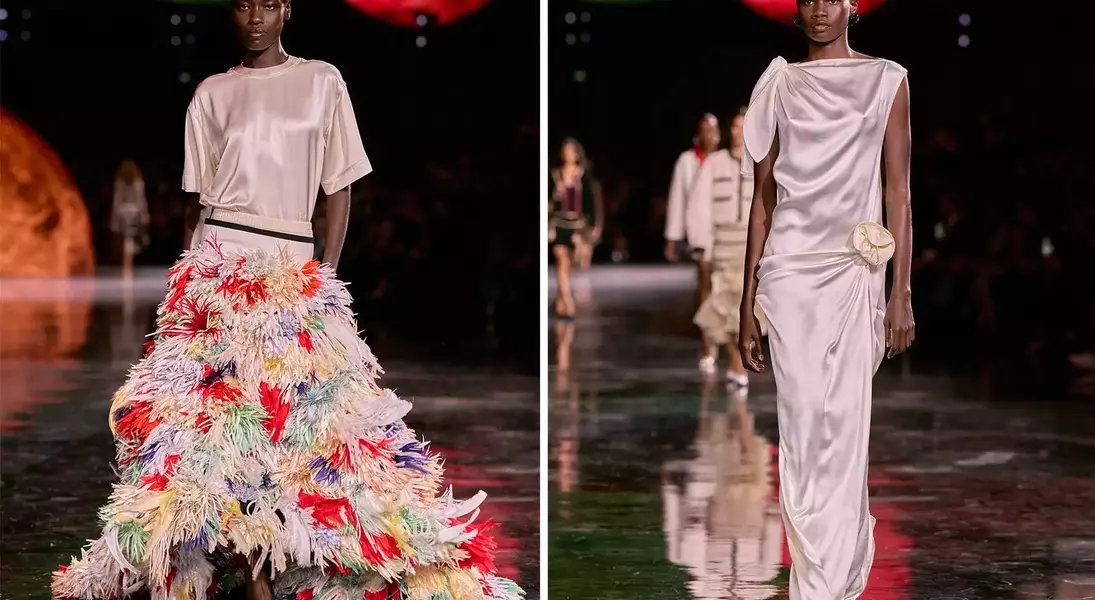
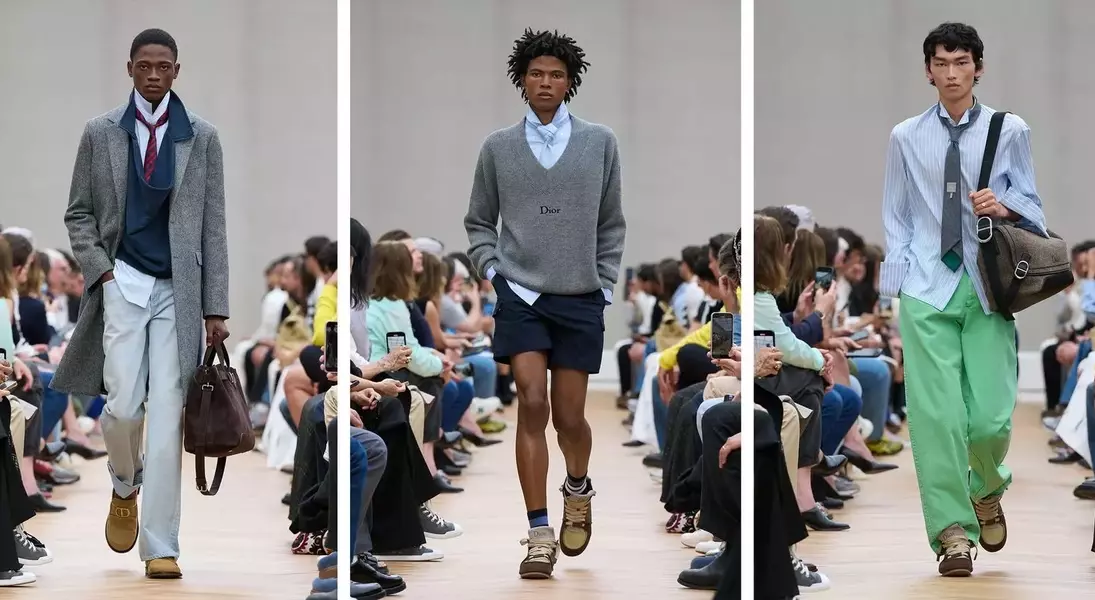
This discerning approach from VICs has prompted luxury brands to pivot from the "hero designer" model towards a product-first philosophy, prioritizing brand heritage and established codes. PR consultant Alexandra Carello highlights this recalibration, citing Blazy's work at Chanel and Jonathan Anderson's at Dior as examples where designers integrate new ideas within the brand's recognizable signatures. The goal is to offer innovation while assuring existing clients that the brand's core identity remains intact.
Gucci's approach to Demna's debut illustrates this strategy effectively. His initial capsule, "La Famiglia," launched ahead of his full ready-to-wear collection, was strategically rolled out to only 10 global locations. Sales associates played a crucial role in narrating the transition, explaining how Demna integrated Gucci's house codes and historical archetypes, reassuring clients that the brand's essence endured. This approach proved successful, with one anonymous VIC, a long-time Gucci patron, expressing renewed interest and making purchases from the "La Famiglia" collection, despite being underwhelmed by previous creative changes.
Beyond product, client experience plays an equally critical role. Levato estimates that while product accounts for 70% of a VIC's decision, the remaining 30% is driven by experience. This is where clienteling intensifies. Sales associates and client teams are trained to articulate new creative visions, mitigate client migration, and build deep, personal relationships. These advisors often become lifestyle consultants, understanding clients' personal lives and cultural interests, far exceeding conventional sales roles. Renato Mosca, founder of Training Luxury, recounts an instance where a client spent €300,000 in a year after his advisor arranged a private visit to a Formula One paddock to meet Lewis Hamilton, demonstrating the power of hyper-personalized experiences.
Luxury brands are also broadening their definition of top clients, actively seeking "the next VICs" from other high-spending segments. This forward-looking approach, combined with meticulous clienteling and a steadfast commitment to brand identity, will define the future battle for VIC loyalty in an era of constant creative flux.
The evolving dynamics within the luxury fashion industry underscore a profound truth: while creative vision drives innovation, it is the unwavering commitment to brand identity and unparalleled client experience that truly cultivates enduring loyalty among the most discerning consumers. The current landscape necessitates a delicate balance between pushing creative boundaries and honoring established heritage, all while fostering deeply personalized relationships with Very Important Clients. As a consequence, brands that successfully integrate new artistic leadership with their core DNA, supported by exceptional clienteling, will not only weather the storms of change but also emerge stronger, securing the devotion of their most valuable patrons. The shift from individual designer worship to a holistic brand experience marks a sophisticated maturation of the luxury market, signaling a future where substance and service are paramount.
