
In the dynamic realm of luxury fashion, the period following the Spring/Summer 2026 season has witnessed a significant reshuffling within communication, marketing, and design departments across prominent fashion houses. This ongoing transformation necessitates a closer look at how these internal shifts are poised to reshape the industry's future. As brands navigate these changes, the strategic importance of marketing leaders has become more pronounced than ever, particularly in ensuring a seamless transition and sustained brand relevance.
Bruna Scognamiglio, Balmain's Chief Marketing Officer since September 2024, found herself at the forefront of such a transition. Following the departure of long-standing creative director Olivier Rousteing in November 2025 and the appointment of Antonin Tron, Scognamiglio's primary challenge was to skillfully introduce Tron's vision. Her goal was to attract new clientele while safeguarding the loyalty of existing patrons who had grown accustomed to Rousteing's aesthetic. She stresses the CMO's role as a 'brand guardian,' responsible for articulating the brand's essence and its evolving identity to both new and seasoned customers, bridging the past and the future.
Many marketing executives in the luxury sector are currently grappling with the intricacies of communicating creative transitions effectively. Their mandate is twofold: to maximize customer acquisition and retention while showcasing how a new designer's direction advances the brand without erasing its heritage. Industry experts, like Scott Kerr from Silvertone, point out that a compelling creative vision and exceptional products are no longer sufficient. Marketers are tasked with cutting through the noise, crafting compelling narratives, and re-engaging consumers whose spending habits are increasingly diversifying beyond traditional luxury goods, towards areas like wellness and travel. This heightened responsibility underscores the crucial need for marketing leadership to revitalize customer engagement and address the growing disillusionment with luxury brands, often stemming from high prices and a perceived lack of value.
The structure and titles within marketing teams vary across luxury brands, reflecting the complex interplay between creativity and strategy. Regardless of specific titles—be it CMO, chief brand officer, or image director—the core function remains consistent: to communicate the brand's narrative and cultivate a lasting community. Karen Harvey, CEO of Karen Harvey Consulting, emphasizes that products do not sell themselves; customers need to feel an intrinsic connection to a brand, perceiving it as an extension of their own identity. This is where marketers become indispensable.
With the notion of the 'star designer' gradually fading, marketers are assuming a more central role in securing a brand's long-term success. Frédéric Godart, a sociologist specializing in fashion, notes a shift towards re-centering brands around their core values of trust and craftsmanship. This requires marketers to unite various departments, from retail associates to e-commerce managers, under a singular, cohesive brand identity. By revisiting a brand's origins and core principles, as Scognamiglio did for Balmain, marketers can ensure that new creative directions are aligned with the brand's enduring values, even as their expression becomes more contemporary. This ensures a consistent value proposition across different creative eras, which is vital in a competitive market where luxury consumers demand both quality and authenticity.
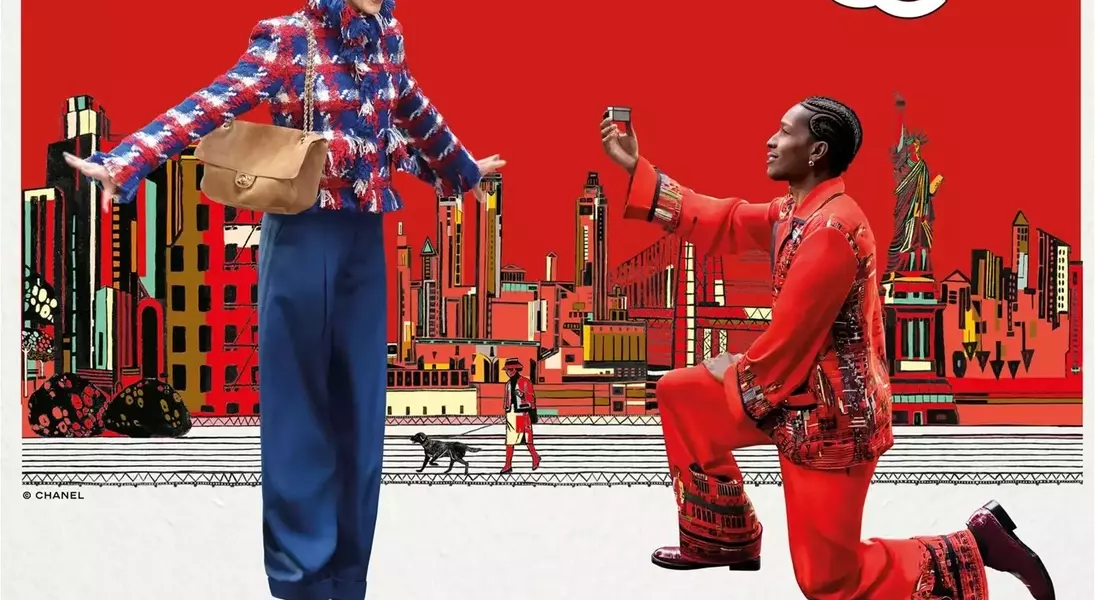
The imperative for luxury brands to become 'cultural agents' is also gaining traction. As fashion increasingly intersects with art, entertainment, and other cultural spheres, brands are expected to offer more than just products; they must demonstrate an understanding of the zeitgeist. Scognamiglio's shift at Balmain from aligning with pop music under Rousteing to embracing architecture with Tron exemplifies this. Similarly, Chanel's refreshed marketing approach, featuring unconventional celebrity endorsements for collections without menswear, illustrates a strategic effort to appeal to a broader and more diverse customer base, transcending traditional boundaries and engaging audiences in unexpected ways. This cultural fluency allows brands to resonate with a wider demographic, particularly younger generations, while also attracting those who appreciate unique collaborations and innovative storytelling.
The luxury market faces a significant challenge, having lost approximately 50 million customers, with a predicted modest return to growth by 2026. This recovery will largely depend on marketers' ability to re-establish trust and demonstrate value. Consumers today demand more than just an exclusive image; they seek tangible quality and a profound connection to the brand's lifestyle and aesthetic. While some experts advocate for focusing on younger demographics to ensure future relevance, others highlight the financial power and lower disillusionment of older generations, suggesting a more balanced approach to target audiences. Ultimately, marketers must tirelessly work to create desirable products and convey their message thoughtfully, building emotionally connected communities rather than relying solely on transactional relationships, thereby reaffirming the unique allure and enduring value of luxury.
