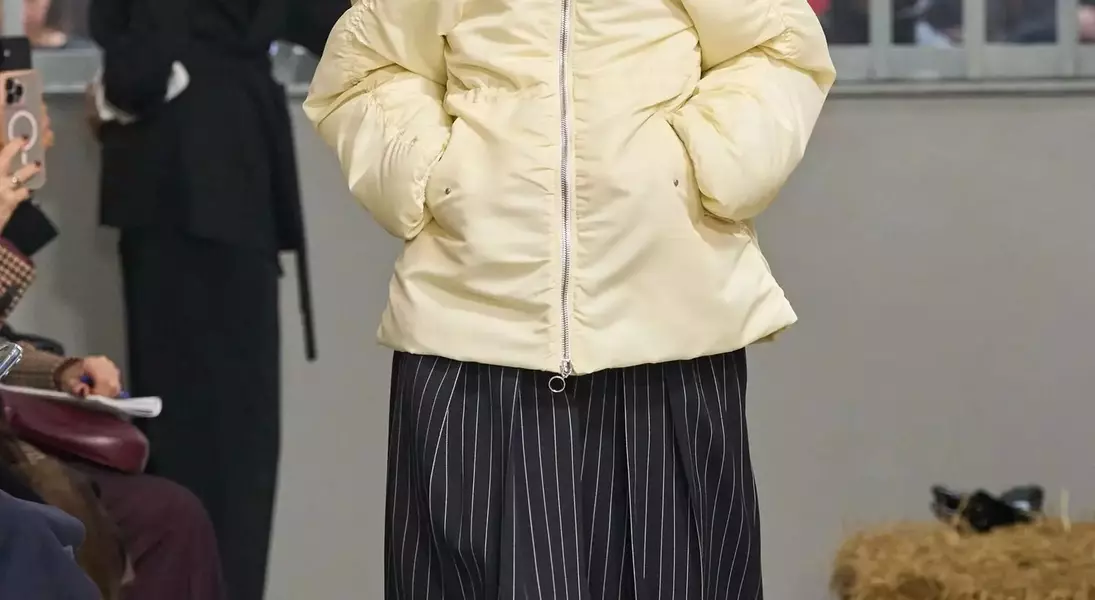
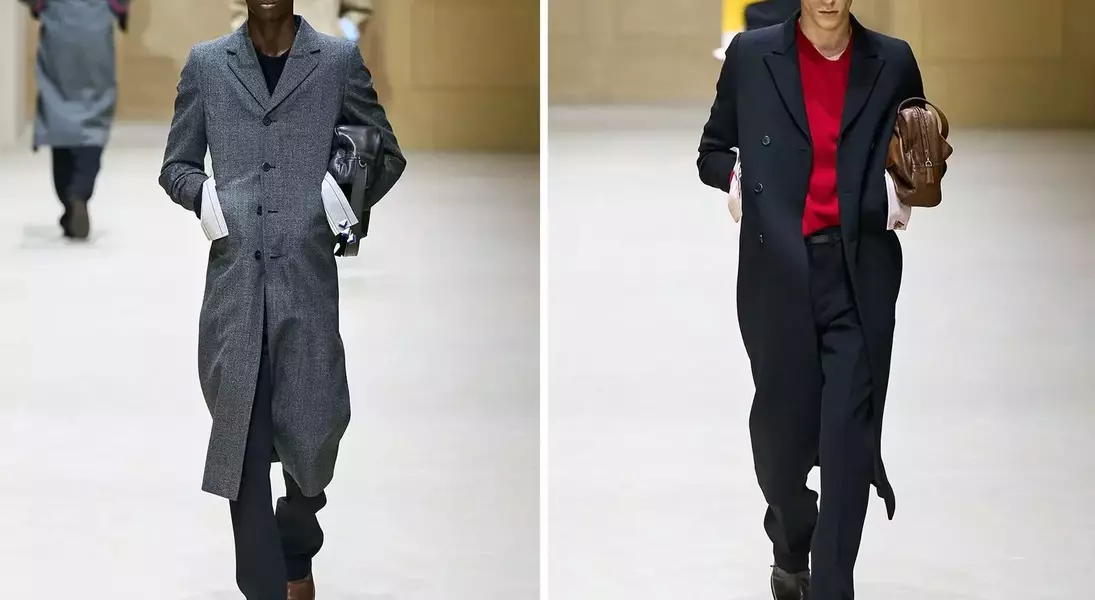
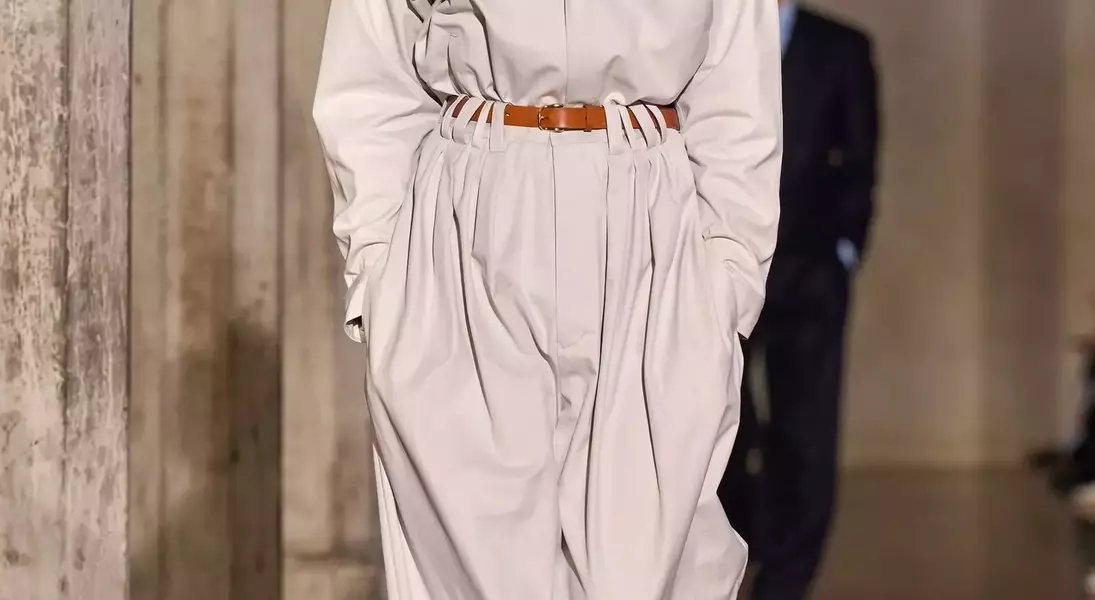
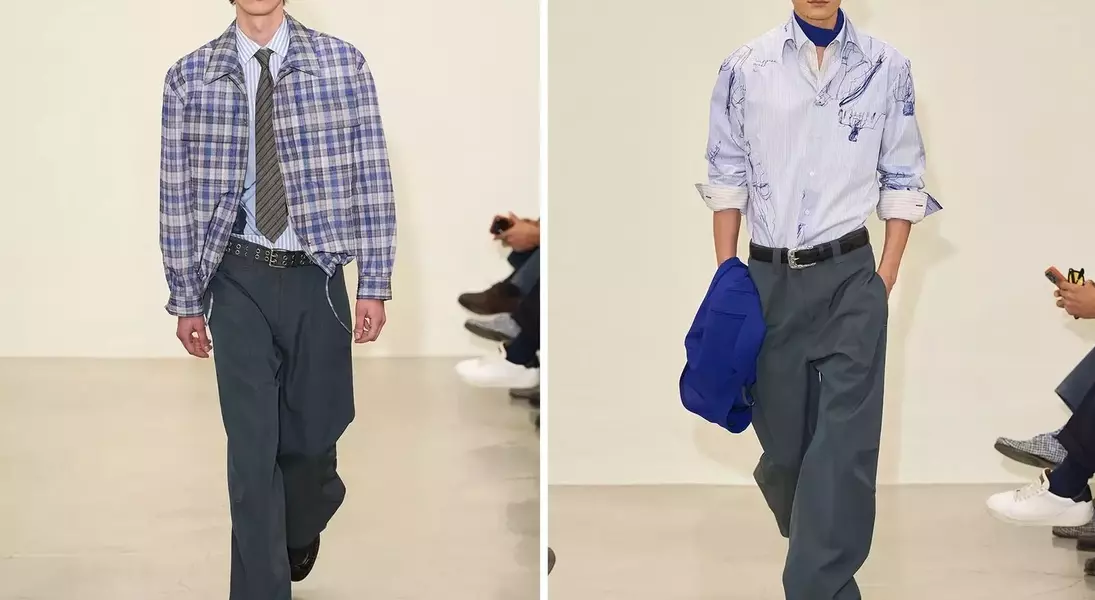
The Fall/Winter 2026 menswear presentations in Florence and Milan offered a compelling glimpse into the future of men's fashion, characterized by a blend of tradition, innovation, and a pragmatic response to contemporary retail landscapes. This season saw designers challenge conventional masculinity, incorporate diverse cultural aesthetics, and embrace a more intimate approach to showcasing their creations.
Fashion's New Horizon: Innovation Meets Resilience
Exploring Modern Masculinity and Style Evolution
The past year has ignited extensive dialogues surrounding the multifaceted nature of masculinity, naturally leading to a reevaluation of men's fashion's trajectory. In the esteemed fashion hubs of Florence and Milan, renowned for their bespoke tailoring, men's designers ventured into experimental territories for their Fall/Winter 2026 collections. This involved challenging established menswear conventions, adopting East Asian design sensibilities, and introducing ski-themed collections, aligning with the upcoming Milano Cortina 2026 Winter Olympics.
Navigating Industry Headwinds: The Retail Challenge
Despite the creative effervescence, the season unfolded against a backdrop of persistent retail difficulties. The bankruptcy filing by Saks Global, a major luxury retail entity in the US, on the opening day of Pitti Uomo served as a stark reminder of the industry's ongoing struggles. While Saks secured substantial financing to maintain operations, it underscored the precarious economic environment facing the fashion sector, particularly menswear, which continues to seek stability.
Key Directions from Pitti Uomo and Milan Fashion Week
The recent editions of Pitti Uomo and Milan Fashion Week Men’s for Fall/Winter 2026 revealed several significant trends. Despite global economic uncertainties, Pitti Uomo maintained a stable number of international buyers, indicating sustained interest. The president of Camera Nazionale della Moda Italiana (CNMI) noted the sector's resilience and its ability to connect with consumers through coherent messaging and innovative products. Industry leaders emphasized the need for brands to articulate their value propositions more clearly to today's discerning consumers, who seek depth beyond mere aesthetics.
Redefining Sartorial Norms Through Design
This season, prominent Milanese brands drew inspiration from prevailing socio-political climates and the roles men project through their attire. Prada's collection, for instance, presented seemingly conventional pieces such as trench coats and suits, yet infused them with subversive details like buttons on the back or unconventional necklines. Co-creative directors Raf Simons and Miuccia Prada articulated their intent to transform traditional elements that, despite their inherent appeal, might carry outdated connotations.
The East's Influence on Western Menswear
The increasing presence of Japanese designers, such as Soshi Otsuki and brands like Issey Miyake and Setchu, at Pitti and MFW Men’s highlights a growing appreciation for Eastern innovation in menswear silhouettes. Otsuki, fresh from his LVMH Prize win, garnered praise for his collection, which reimagined classic tailoring with modern details like heavy pleats and silk scarves. This infusion of new ideas aims to reintroduce an element of enjoyment and experimentation into dressing.
Olympic Spirit Ignites Winter Sports Fashion
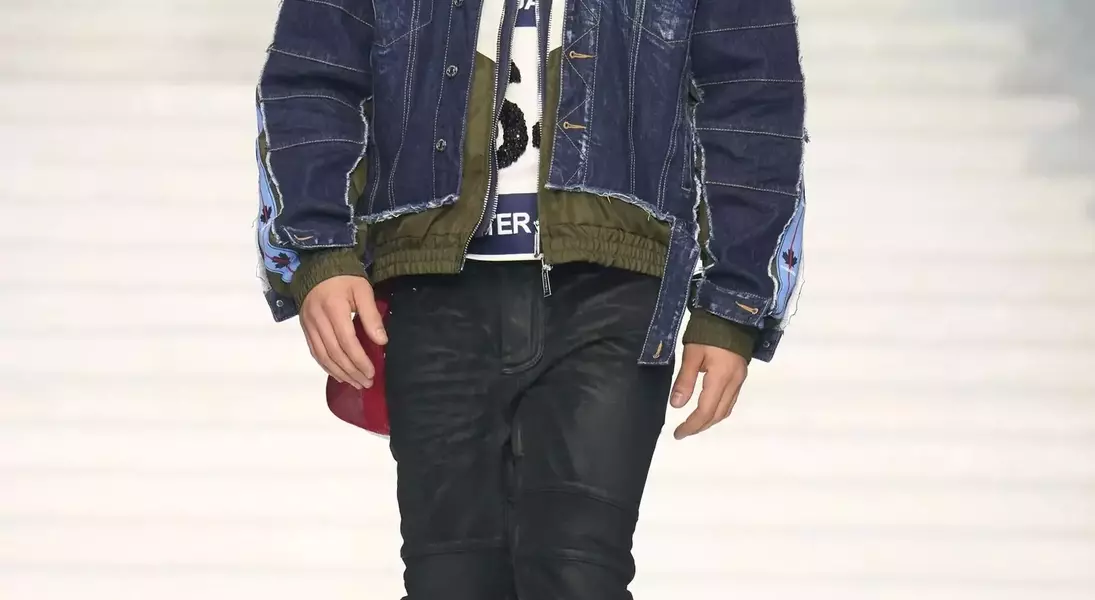
The impending Winter Olympics notably influenced the collections at Pitti Uomo and MFW Men’s. Ralph Lauren hosted its first standalone menswear show in two decades, featuring an eclectic mix from its prestige Purple Label to the more casual Polo, incorporating Alpine knits and ski jackets. Similarly, DSquared2's Team Canada-inspired show brought a festive, snowy atmosphere to the runway, while Chinese brand Li-Ning showcased its Olympic kits and performance wear, reflecting a broader trend of increased investment in skiwear and related apparel by buyers.
Intimate Engagements: Designers Connect with Audiences
A growing number of designers in Milan are favoring traditional salon formats, enabling them to personally elaborate on their inspirations and fabric choices. Paul Smith, for instance, narrated his collection in real-time, offering a more personal experience in an increasingly mass-produced fashion world. Brands like Dunhill and Setchu also opted for intimate presentations, allowing guests to explore collections in detail and fostering a deeper connection between creators and their audience. Zegna, too, facilitated closer interaction by having models, including brand ambassador Mads Mikkelsen, remain present after the show.
The Evolution of Silhouette: From Loose to Lean
As anticipated, menswear designers are moving towards slimmer silhouettes for Fall/Winter 2026. Prada led this trend with slim-fit suiting and outerwear, a deliberate choice by Raf Simons to counter the prevalence of looser styles. Brunello Cucinelli also embraced narrower pants, signaling a departure from its previous wider cuts in its pursuit of new expressions of sartorial elegance. Canali's 'Sartorial Cocktail' collection further explored this by blending casual elements with tailored pieces, emphasizing a shake-up of traditional menswear codes. Italy's strong manufacturing capabilities ensure Pitti Uomo and MFW Men's retain significant market influence, even with a more focused show schedule, solidifying Milan's reputation as a hub for creativity and craftsmanship in menswear.
