
The fashion industry is undergoing a significant transformation, necessitating a re-evaluation of how creativity and commercial strategy intersect. With new creative directors frequently taking the helm, the role of merchandising has become more crucial than ever. This shift demands a delicate balance between preserving established brand identity and embracing fresh artistic visions, ensuring that innovative designs resonate with consumers while also maintaining commercial viability. The future success of luxury brands hinges on fostering a dynamic and collaborative environment where design teams and merchandising professionals work in synergy, steering away from past pitfalls of creative stagnation and market fatigue.
Ultimately, the aim is to reignite passion and inspiration among customers, making them emotionally connect with fashion once again. This involves not just a "reset" but a fundamental change in mindset, moving towards an era where merchandising supports and amplifies creativity rather than constraining it. Strong communication, mutual trust, and respect across all departments, from initial design concepts to post-sales analysis, are vital for navigating this complex landscape successfully.
The Dual Role of Merchandising in Creative Transitions
In the dynamic world of luxury fashion, the merchandising team plays an indispensable role, acting as the bridge between a new creative director's innovative vision and the commercial realities of the market. Following the appointment of a new artistic leader, the spotlight naturally falls on their debut collection; however, the actual journey from runway to retail is meticulously managed by merchandisers. These professionals are tasked with the intricate job of interpreting the fresh design aesthetic and transforming it into tangible products that will captivate consumers and contribute to the brand's financial health. This involves navigating the delicate balance of introducing novelties while steadfastly safeguarding the brand's best-selling, foundational products. Retail expert Robert Burke emphasizes the heightened importance of merchandising in an era marked by frequent shifts in designer leadership, noting its increased significance in today's rapidly evolving fashion landscape.
Achieving this balance is a significant challenge, as customer loyalty can be fleeting. Tiffany Hsu, Chief Buying Officer at Mytheresa, points out that even top-tier clients are drawn to what is current and trending, suggesting that a brand's popularity can wane rapidly. This makes the merchandiser's task of integrating new creative directions without alienating existing customers or disrupting core sales all the more critical. While design innovation is paramount, experts caution against abruptly discontinuing successful core products without a well-conceived plan for their replacement, as this can lead to substantial losses in revenue. Many luxury brands have previously struggled with perceived creative stagnation and brand fatigue, often exacerbated by an overemphasis on merchandising that stifles designers' creativity, leading to generic, logo-heavy styles and, ultimately, declining sales. The current trend of creative resets aims to counteract this, returning merchandising to its original purpose: to skillfully translate and commercialize highly artistic visions without compromising the brand's intrinsic essence.
Navigating the Pace of Change and Power Dynamics
The operational framework of merchandising typically encompasses two main areas: collection merchandising and retail merchandising. Collection merchandisers are deeply involved from the conceptual stages, collaborating with design studios to shape the collection's structure, including product categories, SKU counts, and preliminary pricing and production considerations. In contrast, retail merchandisers engage later in the process, developing store assortments based on showroom presentations and market performance data. The speed at which these merchandising functions can adapt to creative changes is largely dependent on the brand's scale. Smaller brands often have the agility to implement rapid changes, while larger enterprises, with their extensive product ranges and global distribution networks, require several seasons for a complete recalibration. Hsu highlights that for large brands, a total reset can take years due to the vastness of their operations, emphasizing that while the end consumer is always the focus, the pace of transition varies significantly.
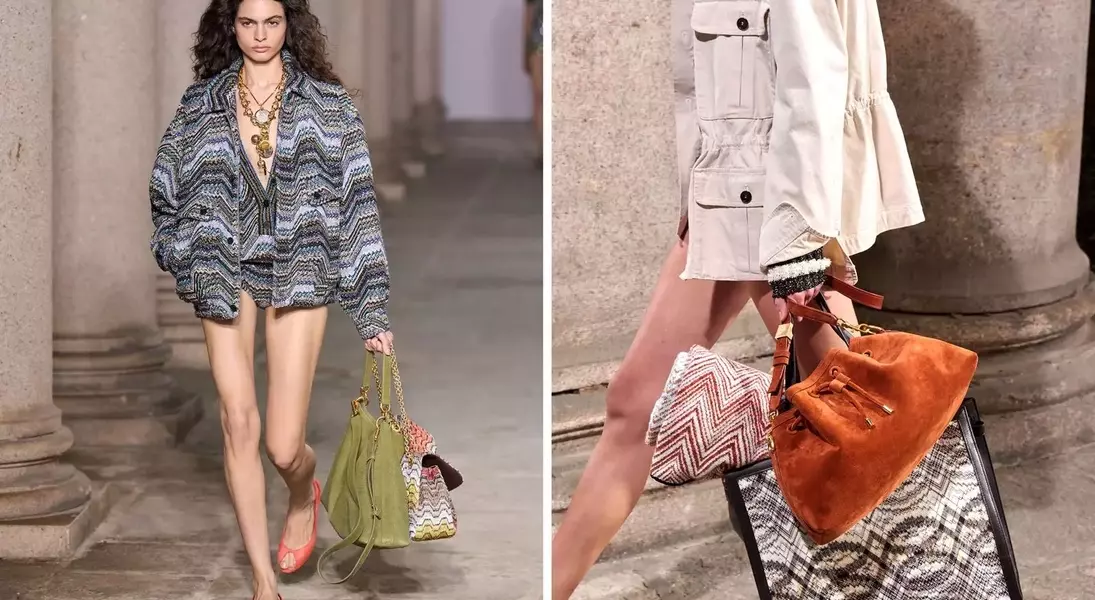
For leaders like Alberto Caliri at Missoni, balancing continuity with innovation is key. His strategy involves consolidating successful core offerings while creatively enhancing new growth areas, such as daywear, ensuring the brand's unique aesthetic codes are maintained without resorting to sensationalism. This approach has led to double-digit sales growth despite market challenges. A common pitfall brands face is discontinuing hero products prematurely, as seen with Hedi Slimane's removal of the Saint Laurent Tribute sandal, which necessitated its eventual return due to lack of a viable substitute. This underscores the need to evolve core products in line with new creative visions rather than simply eliminating them, and to maintain consistent pricing architectures to avoid confusing or alienating customers. Furthermore, the relationship between creative directors and merchandising teams is crucial; while designers need freedom to cement their vision, merchandising leadership provides necessary discipline. The goal is a centralized, unified vision where departments communicate openly and act cohesively, fostering an environment where creative risks can be taken under a shared strategic umbrella, ultimately leading to renewed customer engagement and industry-wide creative revival.
